Direct Factory Wholesale Portfolio — Precision Engineered for Severe Environmental Conditions
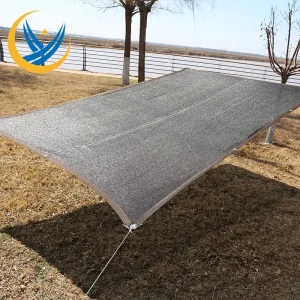
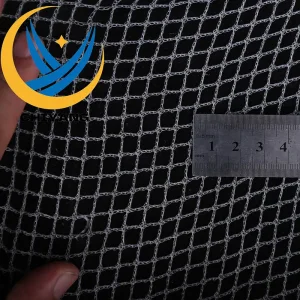
In contemporary agro-forestry economics, environmental engineering, and bulk material logistics, atmospheric wind force represents both a valuable natural variable and a severe mechanical hazard. High-velocity wind shear induces topsoil erosion, accelerates evapotranspiration in cash crops, destabilizes civil infrastructure, and creates hazardous particulate dust clouds at mining and aggregate handling facilities. To mitigate these dynamic atmospheric threats, the global market has witnessed a paradigm shift toward hybrid environmental engineering: combining natural vegetation windbreaks (shelterbelts) with high-density synthetic polymer windbreak netting factories solutions.
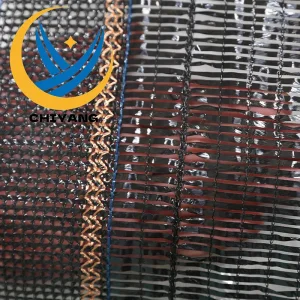
Historically, vegetative barriers comprising trees, shrubs, and perennial grasses served as the primary defense against wind erosion. However, biological shelterbelts require years—sometimes decades—to mature, demand intensive irrigation and arable land allocation, and exhibit non-uniform seasonal density. Modern commercial operations now utilize synthetic warp-knitted High-Density Polyethylene (HDPE) windbreak mesh produced by advanced manufacturing plants to provide immediate, micro-calibrated aerodynamic protection. When integrated with living vegetation, these synthetic windbreak systems act as primary mechanical shields while live root systems stabilize underlying soil structures, establishing an optimal microclimate equilibrium.
Solid walls create turbulent wind eddies and low-pressure vacuum pockets on their leeward sides, causing air streams to curl down violently. Conversely, engineered synthetic netting with an optimized porosity index of 30% to 50% forces incoming airflow through microscopic mesh apertures, effectively disrupting wind kinetic energy while bleeding velocity continuously across distance ($H$). This smooths out laminar shear zones and protects crop canopies up to $20H$ downstream.
As a leading OEM/ODM wholesale vegetation windbreak manufacturer, our research and development facility focuses heavily on polymer molecular engineering and aerodynamic efficiency. Standard vegetation windbreak fabrics must withstand extreme ultraviolet (UV) radiation, severe mechanical stress during gale-force winds, thermal expansion cycles, and atmospheric chemical exposures.
Utilizing 100% virgin High-Density Polyethylene (HDPE) reinforced with specialized Hindered Amine Light Stabilizers (HALS) and optical carbon black. This chemical matrix prevents polymer photo-oxidation, preserving 90%+ tensile yield strength under long-term solar exposure.
Engineered using monofilament and tape yarn combinations on high-speed Karl Mayer warp knitting machinery. Our proprietary lockstitch pattern guarantees that even if accidental physical tears occur, the mesh will not unravel or ladder under wind shear.
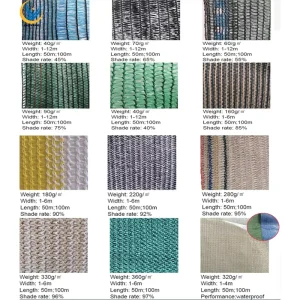
By precision-tuning the shade density and porosity parameters (ranging from 30% to 90%), our windbreak nets reduce ambient wind velocities by 50% to 85%, turning destructive violent gusts into gentle laminar breeze profiles.
| Parameter / Specification | Agricultural Windbreak Standard | Industrial Dust Suppression Grade | Coastal Storm Defense Mesh |
|---|---|---|---|
| Raw Material Composition | 100% Virgin HDPE + UV Stabilizer | HDPE + Flame Retardant + Anti-Static | HDPE Heavy Monofilament Wire |
| Porosity Ratio Range | 40% - 50% Porosity | 30% - 40% Porosity | 35% - 45% Porosity |
| Tensile Strength (Warp/Weft) | 1200 N / 1500 N per 5cm | 1800 N / 2200 N per 5cm | 2400 N / 2800 N per 5cm |
| UV Weathering Resistance | 5 Years Guarantee (Standard) | 5-8 Years Industrial Rating | 5-10 Years Marine Rating |
| Temperature Resilience | -40°C to +80°C | -40°C to +90°C | -50°C to +85°C |
Strength comes from visible hardware investment and scale accumulation. We possess 16 advanced machine units, which serve as fine instruments forming the core of efficient and intelligent production. These machines ensure that every process from incoming raw polymer pellets to knitted finished products is precise and accurate, enhancing production efficiency while safeguarding product physical dimensions and micro-structural consistency from the absolute source.
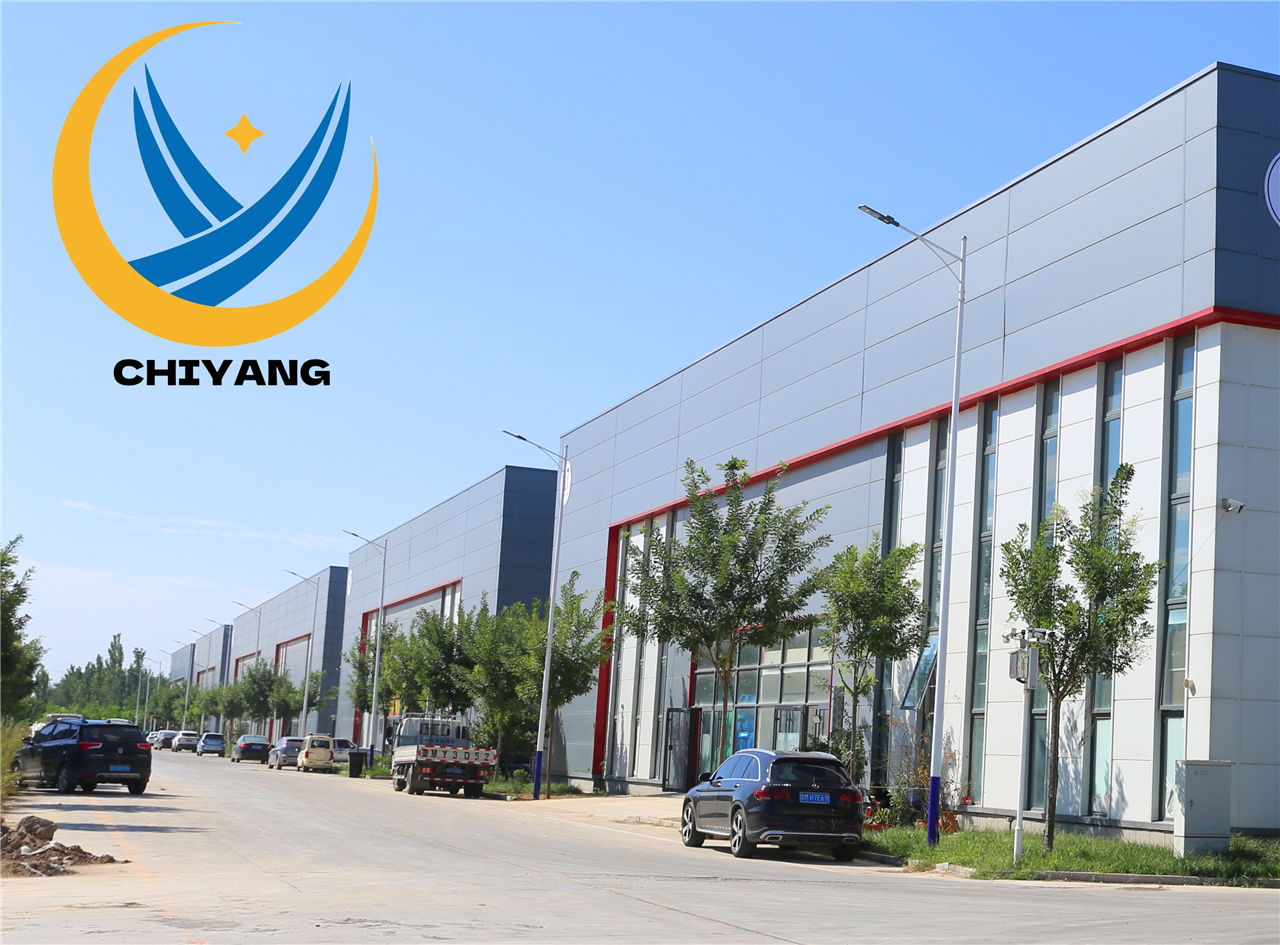
Located in a modern manufacturing complex covering 6,800 square meters, we have built a scientifically planned and smoothly flowing production base. This spacious facility is not only a stage for high-capacity production but also a solid foundation for raw material logistics, rigorous technology research and development, and stringent Quality Control (QC).
On this foundation, we achieve an outstanding monthly production capacity of up to 800,000 square meters. Supported by an elite team of 26 technical specialists and backed by over 20,000 global project cases over 16+ years, we have the confidence and capability to ensure that orders of any magnitude are delivered reliably and on schedule.
We understand that while output is the skeleton, quality is the soul. Comprehensive quality inspection is embedded into our operational DNA:
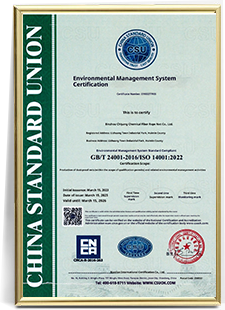
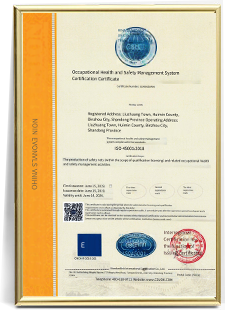
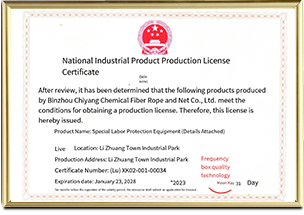
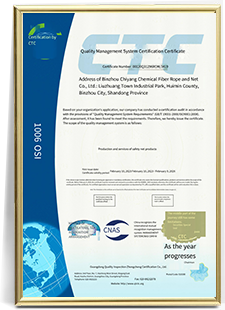
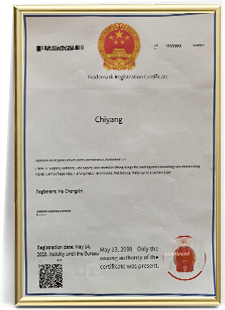
International Standard ISO Quality Systems & Compliance Certifications
Every geographic region and industrial sector presents unique atmospheric dynamics. As an experienced B2B supply partner, our factory engineers custom vegetation windbreak mesh systems tailored to localized environmental constraints.
High winds cause fruit drop, branch breakage, flower abrasion, and excessive transpirational water loss. Installing perimeter HDPE vegetation windbreak netting preserves high humidity within tree canopies, reducing irrigation demands by up to 30% while securing uniform crop yields.
Coal storage yards, mineral stockpiles, and port logistics hubs suffer from fugitive dust emissions. Heavy-duty 30% porosity synthetic windbreak fences cut localized wind speeds below the threshold velocity required to lift particulate matter, keeping operations compliant with environmental air standards.
Coastal agricultural land faces double hazards: high-velocity sea winds and airborne salt sprays that desiccate foliage. Our rot-proof, salt-resistant polyethylene nets filter out saline aerosol droplets while shielding developing coastal forestry and crops.
Looking toward the decade ahead, smart agro-industrial infrastructure requires windbreak systems to evolve beyond simple physical barriers. Our factory R&D team is actively pursuing groundbreaking material science advances to meet future environmental challenges.
Developing high-tensile PLA/HDPE hybrid resins designed to provide 7-10 years of structural stability for initial forestation projects, subsequently bio-degrading naturally once permanent vegetation mature into self-sustaining shelterbelts.
Weaving conductive optical fibers and piezoelectric micro-sensors directly into the lockstitch mesh. This turns windbreak fences into real-time digital monitoring arrays that track wind speed vectors, ambient humidity, and structural tension load variations.
Pioneering thermal-reactive polymer weaves that passively flex to alter mesh porosity depending on ambient wind kinetic pressure, maximizing crop ventilation during calm periods while tightening defense during severe storm fronts.
Key Technical Considerations for Procurement Managers, Agricultural Engineers, and Industrial Contractors
Explore Our Full Manufacturing Range for Industrial, Sports, and Agro-Forestry Applications
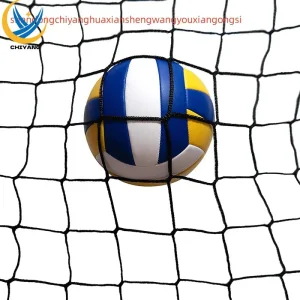
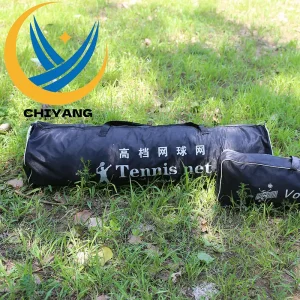
With accumulating strength and crafted excellence, we continue setting industry standards across 20,000+ worldwide projects. Utilizing over a decade of hands-on expertise, stable production capacity, and rigorous quality inspection, we invite commercial partners, regional distributors, and engineering contractors to join hands with our technical team.
 Chiyang Net