Direct factory supply featuring advanced UV stabilization, high tensile endurance, and custom physical profiles for global commercial projects.
Understanding the thermal stress, efficiency degradation, and asset lifecycle reduction caused by avian intrusion in solar power infrastructure.
In the rapidly scaling global energy transition, utility-scale solar photovoltaic (PV) installations and commercial/industrial (C&I) rooftop arrays represent the backbone of decarbonization. However, modern solar assets face an escalating operational threat: micro-environmental biological interference. Avian nesting and pest roosting beneath PV modules lead to catastrophic drops in Levelized Cost of Electricity (LCOE), unbudgeted Operations and Maintenance (O&M) expenditures, and permanent hardware degradation.
Bird dropping accumulation creates localized hard shading effects. Unlike uniform dust or environmental soiling, guano deposits cause severe voltage imbalances across series-connected solar cells. This phenomenon triggers reverse-bias operating states, converting affected cells into power-consuming resistive loads that generate extreme thermal hotspots exceeding 150°C. Prolonged hotspot thermal stress causes localized backsheet delamination, EVA encapsulation browning, bypass diode failure, and in severe cases, structural fires within the rooftop array.
Permanent module degradation induced by localized shading from nesting debris and guano, leading to cell cracking and reduced lifetime yield.
Uric acid in bird excrement exhibits a pH of 3.0 to 4.5, aggressively attacking anodic aluminum module frames, grounding clips, and structural roof membranes.
Twigs, dry grass, and biological debris gathered beneath panels act as direct kindling for electrical arcing events caused by compromised DC cabling.
Formulating ultra-durable polymer and alloy matrices designed specifically for severe meteorological and environmental exposure.
As a premier solar bird netting factory and exporter, our engineering department focuses on structural stability, micro-climate airflow permeability, and long-term chemical durability. Conventional agricultural netting quickly succumbs to photo-oxidation degradation caused by solar ultraviolet radiation (UV-A and UV-B spectrums). Our high-density polyethylene (HDPE) netting utilizes advanced UV-832 Hindered Amine Light Stabilizer (HALS) chemistry, engineered to absorb damaging free radicals and sustain physical tensile integrity over multi-decade deployment timelines.
| Technical Property | Virgin UV-Stabilized HDPE Mesh | Standard Polypropylene (PP) Mesh | 304/316 Stainless Steel Mesh |
|---|---|---|---|
| UV Endurance Index | > 5,000 Hours (ASTM G154 Xenon Arc) | < 1,200 Hours (Rapid Degradation) | Immune to UV Degradation |
| Tensile Strength (ISO 13934-1) | High Elasticity (450 N/5cm) | Moderate (220 N/5cm) | Ultra-High (> 1200 N/5cm) |
| Thermal Expansion Range | -40°C to +85°C (Stable Matrix) | -10°C to +60°C (Brittle in Cold) | -80°C to +300°C |
| Airflow Coefficient (Thermal Dissipation) | 92.4% Open Area Efficiency | 80.1% (Impedes Boundary Layer) | 94.8% Open Area Efficiency |
| Corrosion & Acid Resistance | Immune to Organic Acids & Salt Spray | Moderate Acid Resistance | Requires 316 Grade for Salt Air |
| Installation Compatibility | Non-Invasive Clip & Wire Tensioning | Prone to Tearing on Fasteners | Requires Heavy Rigidity Fastening |
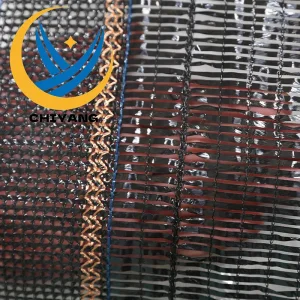
Maintaining an optimized airflow profile beneath solar modules is critical. Restricting air movement beneath the array increases cell operating temperatures ($T_{cell}$), negatively impacting the voltage output according to the module's temperature coefficient of power ($\gamma_{Pmp}$, typically -0.35% to -0.45% per °C). Our solar bird netting mesh is woven with exact geometric aperture control, ensuring maximum physical exclusion of birds (down to small sparrows and starlings) while allowing convective thermal dissipation to operate unimpeded.
Accumulating Strength, Crafting Excellence: Setting Industry Standards with Superior Quality and State-of-the-Art Production Capability.
In the grand wave of industrial manufacturing, our enterprise has been deeply rooted in the netting industry for over 16 years. We are not just a manufacturer; we are a trusted partner dedicated to creating value that exceeds expectations for our global customers through leading technology, stable production capacity, and impeccable quality control.
Strength comes from visible hardware investment and scale accumulation. We operate 16 advanced warp-knitting and weaving machines, forming the core of our efficient and intelligent production. These precision instruments ensure every manufacturing stage—from raw polymer extrusion to finished mesh roll—is exact, guaranteeing structural uniformity across bulk export orders.
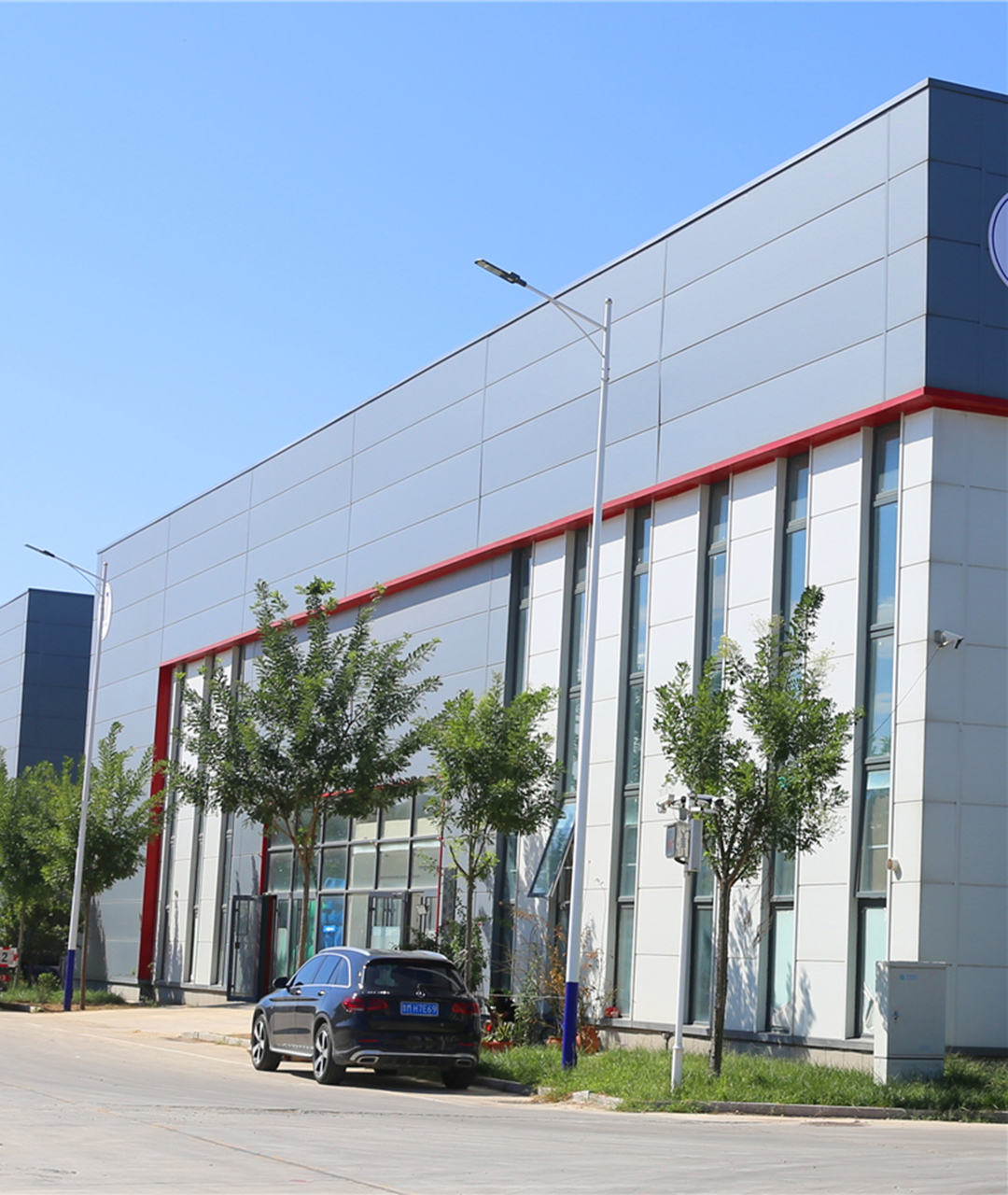
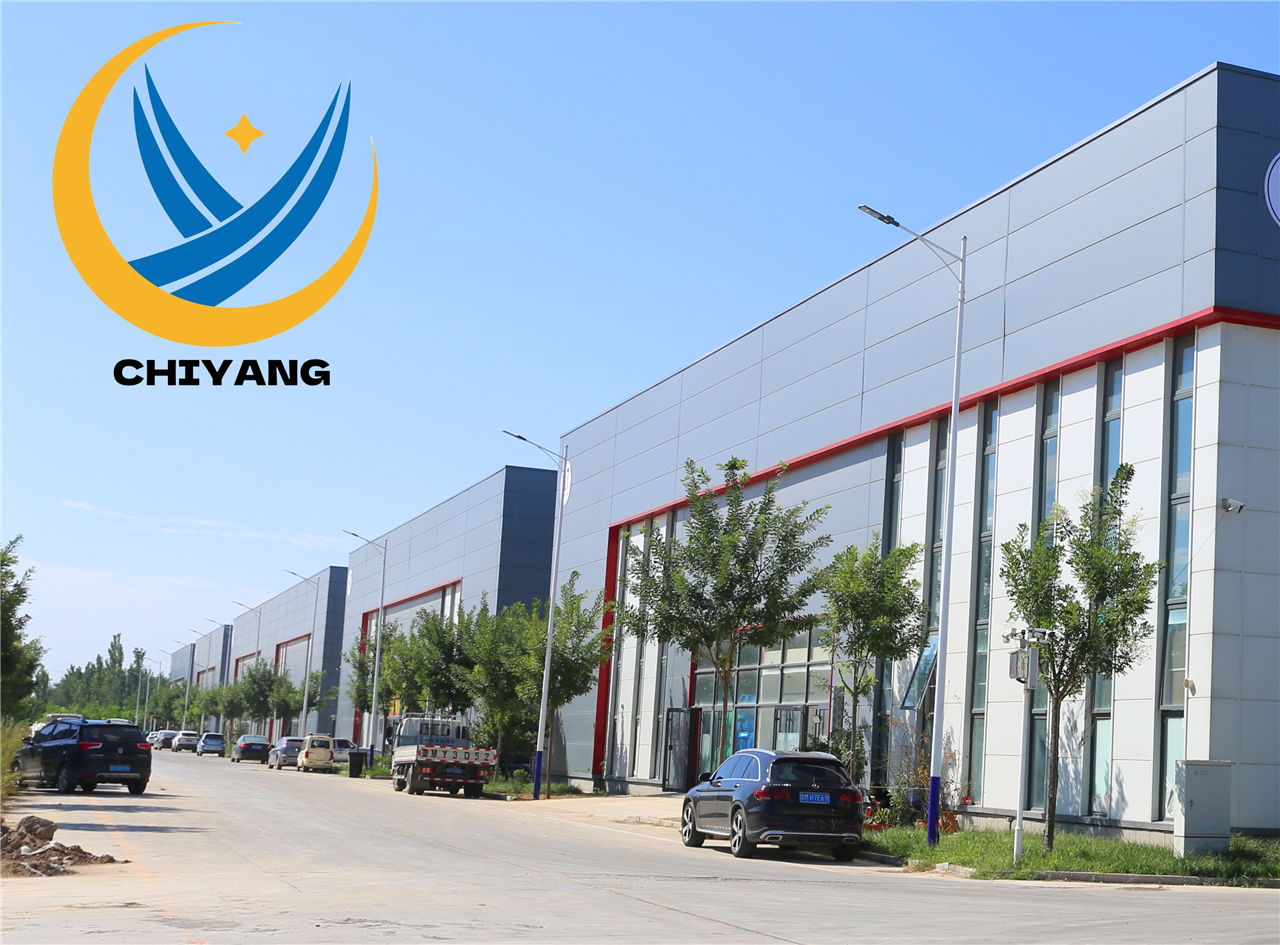
Our 6,800 square meter standardized facility enables smooth logistics flow and rigorous scientific management. On this solid foundation, we sustain an outstanding monthly production capacity of 800,000 square meters, satisfying large utility-scale project deadlines without compromise.
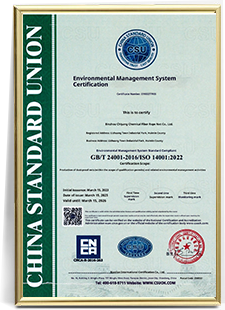
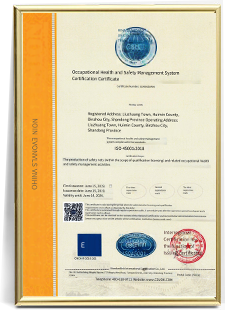
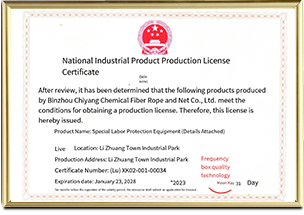
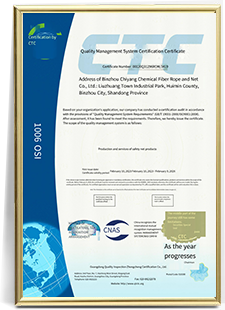
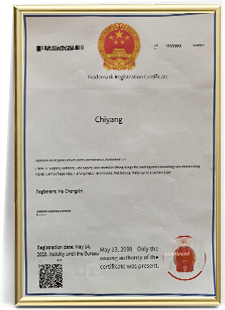
We hold comprehensive international quality standard certifications, guaranteeing compliant export procedures and field-proven reliability for global partners.
Safeguarding solar asset warranties while maintaining adherence to international wildlife protection acts and civil structural codes.
A primary operational concern for EPC (Engineering, Procurement, and Construction) contractors and solar asset owners is maintaining panel OEM warranties. Drilling into module frames to secure mesh barriers violates major solar manufacturer warranties (e.g., Jinko, Longi, Trina, Canadian Solar). Our factory-engineered solar netting ecosystem utilizes UV-stabilized polycarbonate mesh clips and stainless steel speed washers that lock securely onto the inside lip of the module frame without penetrating metal surfaces.
Specialized self-locking clips grip module flange edges without drilling, preserving factory warranties and UL 61730 structural listings.
Fully compliant with the U.S. Migratory Bird Treaty Act (MBTA) and European Bern Convention by providing non-lethal, physical exclusion barriers.
Engineered to withstand high wind load pressures (ASCE 7-16 standards) and extreme snow loads without sagging or structural fatigue.
Quantifying the capital expenditure of physical protection against cumulative power loss and unbudgeted OPEX maintenance.
Deploying factory-direct solar bird netting yields clear, measurable financial benefits for project developers and asset managers. Unprotected commercial solar arrays exposed to bird populations experience an average annual generation loss of 4.5% to 12% due to soiling and hotspot micro-shading. In high-density avian environments, power degradation can spike beyond 25% within six months of commissioning.
| Financial Metric (1 MW Commercial Rooftop Array) | Unprotected Solar Array | Protected Array with OEM Solar Netting |
|---|---|---|
| Annual Power Loss (Guano Soiling) | 7.5% Loss (~112,500 kWh/year) | < 0.5% Normal Environmental Dust |
| Annual Revenue Impact ($0.12/kWh Tariff) | -$13,500 Loss per Year | Fully Retained Generation Revenue |
| Bi-Annual High-Pressure Cleaning Costs | $4,000 - $6,000 per Year | Minimal (Standard Rainwater Washing) |
| Cable Repair & Pest Remediation | $2,500 Average Unbudgeted OPEX | $0 (Zero Rodent / Pest Intrusion) |
| 10-Year Cumulative Financial Impact | -$200,000+ Loss | Net CAPEX Payback within 8-14 Months |
Pioneering smart material chemistry and integrated monitoring technologies for smart renewable energy grids.
Our dedicated R&D lab, operating within our 6,800m² factory complex, is continuously advancing polymer physics and physical protection features. By combining material science with real-world solar park operational feedback, our engineering team is establishing next-generation netting solutions for global export:
Integrating fluoropolymer nano-coatings directly into raw HDPE fibers during extrusion, resulting in self-cleaning mesh surfaces that shed biological matter upon contact with rainfall.
Developing hybrid mesh lines containing micro-fine conductive threads capable of delivering harmless electrostatic pulses for extreme pest challenge locations.
Formulating 100% circular economy-compliant netting polymers that maintain a 15-year operational lifespan while enabling full zero-carbon industrial recycling.
Factory-direct solutions custom manufactured to exact project specifications, mesh counts, roll dimensions, and color profiles.
Expert engineering answers regarding specifications, installation compatibility, factory customization, and international shipping.
Our physical exclusion systems rely on non-invasive, mechanical clamping assemblies manufactured from UV-stabilized polycarbonate or 302-grade stainless steel clips. These clips attach firmly to the rolled inner return lip of the module aluminum frame. No screws, rivets, or adhesives penetrate the module framework, fully protecting panel manufacturer OEM warranties and maintaining UL listing integrity.
Our 100% virgin High-Density Polyethylene (HDPE) netting is extruded with specialized Hindered Amine Light Stabilizers (HALS UV-832). Tested under accelerated ASTM G154 weathering standards, our netting exhibits over 85% tensile strength retention after 5,000 hours of continuous UV exposure, translating to a field service lifespan of 8 to 12+ years in extreme desert or coastal solar installations.
No. Our mesh geometry is precision-engineered with an open area ratio exceeding 92%. This engineered porosity allows free convective airflow beneath the PV array, preserving natural thermal dissipation and maintaining optimal operating temperatures without inducing heat entrapment.
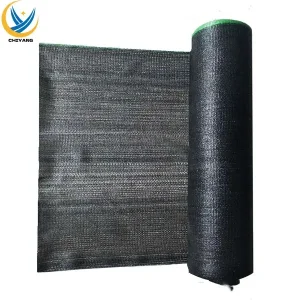
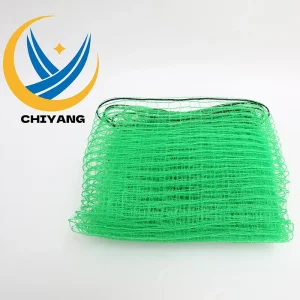
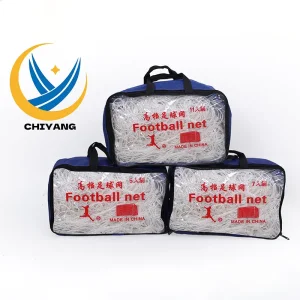
With 16 advanced machines and a monthly production capacity of 800,000 m², we provide complete factory customization. We can tailor roll widths (0.5m to 6m), roll lengths, custom mesh aperture sizes (12mm to 50mm), specific color options (black, translucent, green), custom branding labels, and specialized retail or commercial master packaging.
We handle direct export shipping from our 6,800m² manufacturing facility. Products are compressed, wrapped in heavy-duty moisture-proof poly-sheeting, and palletized for optimal FCL/LCL ocean container loading. We supply complete customs documentation, Certificate of Origin (COO), ISO compliance verification, and third-party inspection reports upon request.
 Chiyang Net