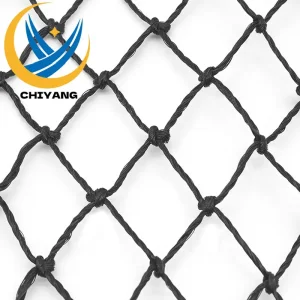
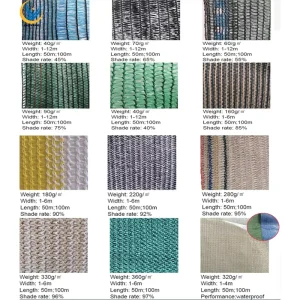
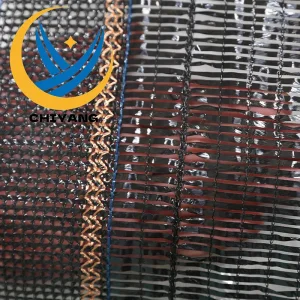
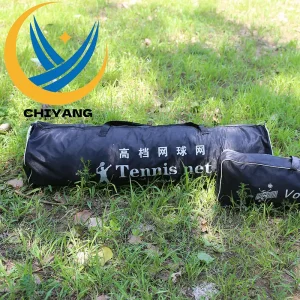
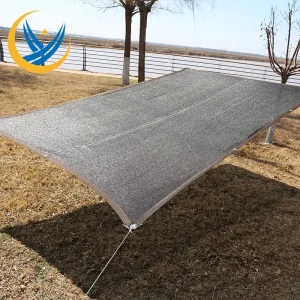
As a seasoned expert in industrial textiles, the transition from traditional perimeter fencing to advanced Bush Netting represents a seismic shift in agricultural and industrial site management. Modern bush netting is no longer just a barrier; it is a sophisticated, UV-stabilized, high-density polyethylene (HDPE) solution engineered for micro-climate control, pest exclusion, and large-scale asset protection. The industry is currently witnessing a trend toward smart-agriculture integration, where netting is paired with sensor arrays to monitor crop health and environmental stress in real-time.
Our commitment to excellence extends to R&D. We are currently implementing nanotechnology-based hydrophobic coatings to extend the lifespan of our nets in extreme weather conditions. The future of the netting industry lies in Circular Economy integration—developing fully recyclable polymers that maintain high tensile strength. As a leader in this space, our roadmap involves digitizing the manufacturing process with IoT (Internet of Things) to track heat-setting temperatures in real-time, ensuring zero-defect production.
Q: How does UV stabilization affect the longevity of agricultural netting?
A: UV stabilization is critical. Our nets use high-grade chemical additives that prevent the molecular breakdown of polymers when exposed to high-intensity sunlight, effectively increasing the lifespan by over 50% compared to standard materials.
Q: Can you customize mesh density for specific industrial applications?
A: Absolutely. Whether for debris containment in construction or specialized crop protection, we adjust mesh aperture and material weave density to meet specific wind-load and tensile requirements.
 Chiyang Net