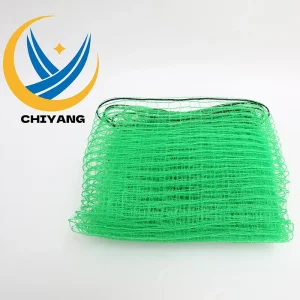
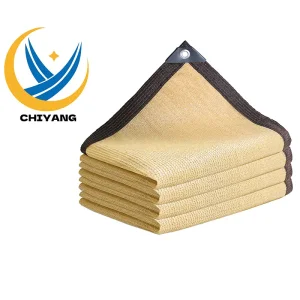
Across modern commercial agriculture, viticulture, aquaculture, and industrial infrastructure management, wild avian activity represents a multi-billion-dollar annual loss factor globally. Frugivorous and granivorous bird species—including Sturnus vulgaris (European Starling), Passer domesticus (House Sparrow), and Columba livia (Rock Pigeon)—cause compounding economic destruction through direct crop consumption, mechanical fruit degradation, structural fouling via corrosive uric acid excretions, and pathogen vectoring in commercial food processing facilities.
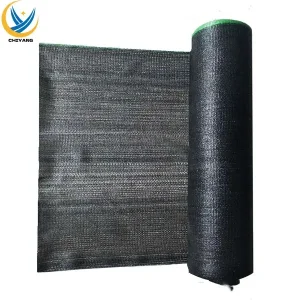
Traditional deterrence paradigms—such as auditory pyrotechnics, propane cannons, automated bio-acoustic squawkers, and visual raptor replicas—exhibit rapid habituation decays. Birds adjust to non-lethal sensory intimidation within 72 to 148 hours of deployment. Consequently, structural physical barrier exclusion engineered via high-tensile black bird netting remains the sole scientifically verified, 100% effective long-term solution recognized by agricultural extension departments and civil structural engineers worldwide.
In high-density fruit orchards and blueberry operations, physical exclusion mesh eliminates crop peck mark scarring, rot initiation caused by exposed pericarp tissues, and secondary infestation by vespid wasps and fruit flies.
In urban architectural and commercial warehouse settings, high-tenacity black netting prevents nesting inside structural steel trusses, eliminating HVAC air intake contamination and corrosive structural degradation.
Solar farm infrastructure deployed across desert and rural tracts utilizes perimeter and underside bird netting to prevent avian nesting under PV arrays, mitigating hot-spot fire risks and thermal output efficiency loss.
The operational longevity of synthetic polymer netting in outdoor environments is fundamentally determined by its chemical resistance to Photo-Oxidative Degradation. Solar Ultraviolet radiation (specifically UV-A wavelengths between 315–400 nm and UV-B between 280–315 nm) photolytically cleaves the carbon-carbon backbone of untreated polyolefin chains, leading to micro-fissuring, embrittlement, catastrophic tensile failure, and mesh disintegrations within 12 to 18 months.
While clear or translucent monofilament netting utilizes Hindered Amine Light Stabilizers (HALS) that chemically neutralize free radicals, black bird netting utilizes high-purity Carbon Black (Channel/Thermal Black with particle sizes under 25 nanometers) blended directly into the virgin High-Density Polyethylene (HDPE) polymer matrix during extrusion at a mass concentration of 2.5% to 3.0%.
Carbon Black functions as an exceptionally potent physical UV absorber and photothermal converter. It traps incident photons across the entire light spectrum, transforming destructive ultraviolet energy into harmless low-level thermal heat energy. This physical absorption mechanism does not deplete over time like sacrificial chemical additives, enabling superior 5 to 10+ year operational lifespans under intense solar irradiance conditions (up to 160–200 Kly/year).
Industrial bird netting exported by top-tier factories utilizes specialized Raschel Warp Knitting machinery rather than conventional square weaving or extruded plastic mesh process. The key advantages include:
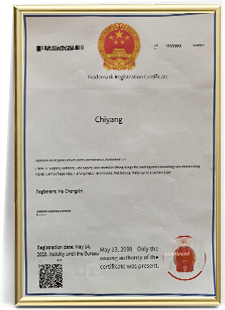
Accumulating Strength, Crafting Excellence: Setting Industry Standards with Superior Quality
In the grand wave of industrial manufacturing, there exists a company that has been deeply rooted in the industry for over a decade, using time as its inkstone and craftsmanship as its pen, quietly writing its own glorious chapter. We are not just a manufacturer; we are a trusted partner dedicated to creating value that exceeds expectations for our customers through leading technology, stable production capacity, and impeccable quality.
Strength comes from visible hardware investment and scale accumulation. We possess 16 advanced machines, which serve as fine instruments forming the core of efficient and intelligent production. These machines ensure that every process from raw materials to finished products is precise and accurate, enhancing production efficiency while safeguarding product accuracy and consistency from the source.
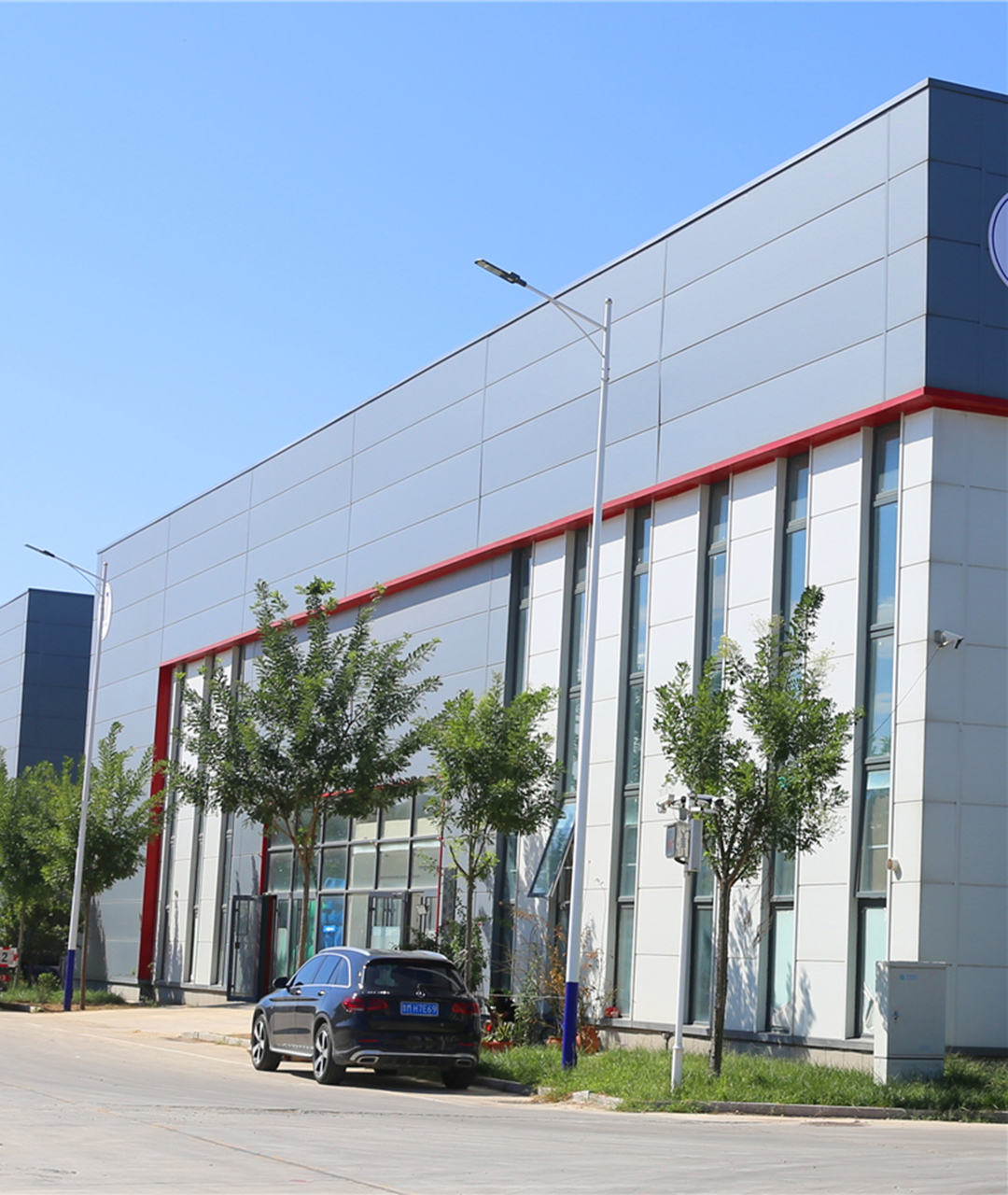
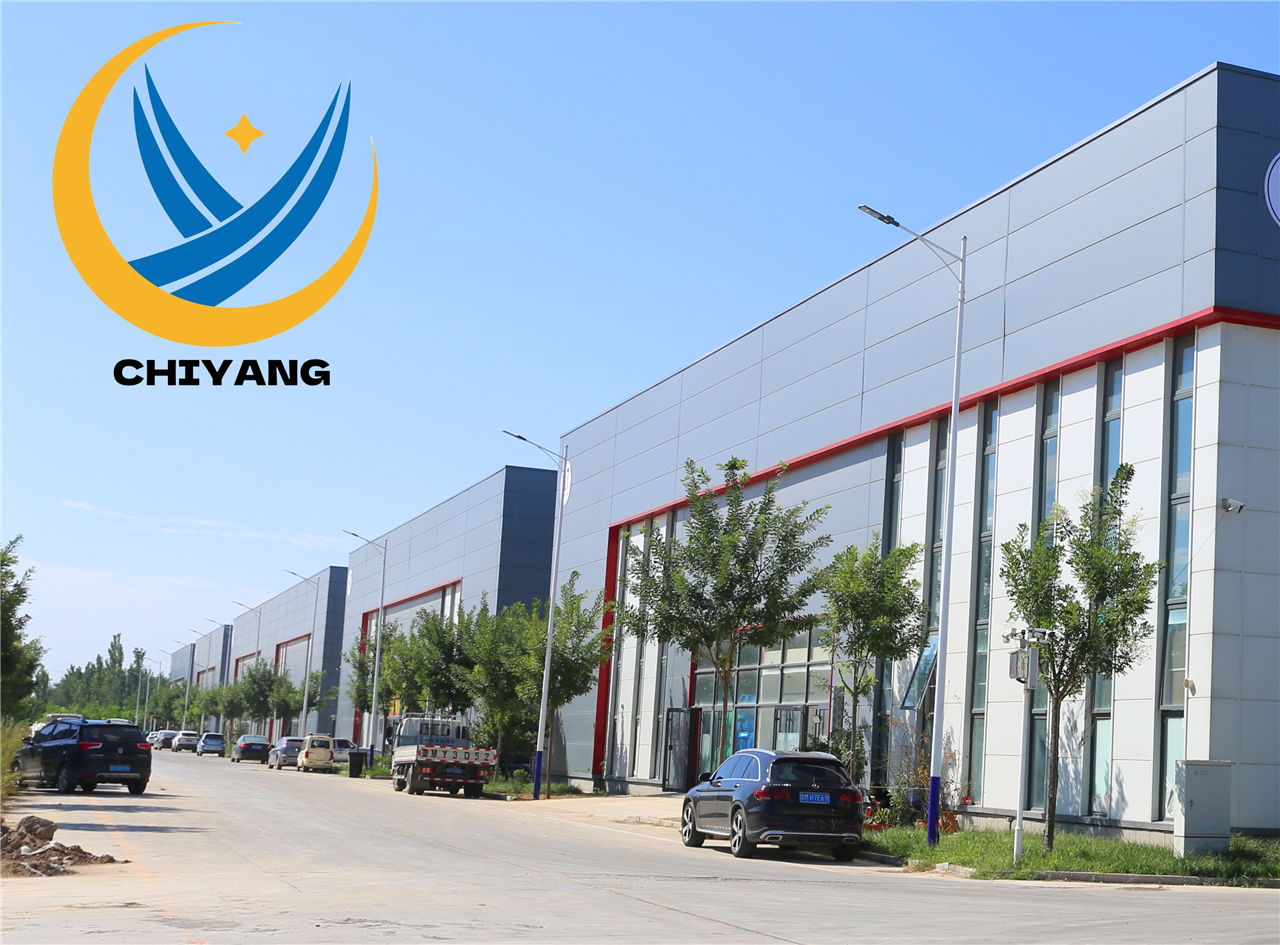
Located in a modern factory covering 6,800 square meters, we have built a scientifically planned and smoothly flowing production base. This spacious area is not only a stage for production but also a solid support for material flow, technology research and development, and quality control. On this foundation, we have achieved an outstanding monthly production capacity of up to 800,000 square meters. Supported by a dedicated workforce of 26 expert technical professionals, regardless of the order size or tight deadlines, we have the confidence and capability to ensure that products are delivered to our customers steadily and on time.
We understand that while output is the skeleton, quality is the soul. Therefore, comprehensive quality inspection is not just a slogan but an action guideline embedded in the company’s DNA.
Selecting the correct netting specification requires analyzing targeted avian species morphology, localized wind load parameters, installation structure span, and required thermal resistance. The table below outlines technical benchmarks across major commercial black bird netting grades:
| Grade Designation | Target Avian Species | Mesh Size (Diamond/Square) | Yarn Type / Denier | Weight (GSM) | Tensile Strength (N/5cm) | Expected UV Lifespan |
|---|---|---|---|---|---|---|
| Micro-Mesh Elite | Passerines, Sparrows, Finches | 15 mm x 15 mm | HDPE Monofilament 380D/3 | 28 - 35 g/m² | ≥ 320 N | 5-7 Years |
| Standard Vineyard | Starlings, Blackbirds, Thrush | 19 mm x 19 mm | HDPE Monofilament 380D/6 | 40 - 55 g/m² | ≥ 480 N | 7-10 Years |
| Heavy Architectural | Pigeons, Seagulls, Crows | 28 mm - 50 mm | HDPE Multifilament / Braided | 65 - 110 g/m² | ≥ 750 N | 10+ Years |
| Industrial Solar Shield | All Avian Species / Debris | 12 mm x 12 mm | High-Tenacity Raschel Poly | 50 - 75 g/m² | ≥ 600 N | 8-10 Years |
Monofilament construction offers lower aerodynamic drag co-efficient (Cd), rendering it ideal for wide-span canopy systems over high-yield orchards where wind forces are significant. Multifilament and knotless braided variants provide exceptional flexibility and burst resistance for structural drape installations over structural framing.
Black bird netting engineered with ultra-fine filament diameters limits light interception to less than 5%–8% Photosynthetically Active Radiation (PAR). This ensures that crop photosynthesis, canopy microclimates, and fruit brix levels are preserved without thermal entrapment.
Deployed as overhead structural net enclosures or lateral zone netting. Designed to withstand mechanical harvesting equipment contact, automated tensioning cables, and seasonal retraction protocols.
Stretched over commercial shrimp raceways and trout ponds to eliminate predatory cormorant, heron, and kingfisher interferences, protecting aquatic biomass densities.
Installed across historic facades, airport hangars, loading docks, and stadium roofs to create total bird exclusion zones without compromising aesthetic architectural lines.
We sincerely look forward to joining hands with you, using our expertise and focus to safeguard your projects and create an even more brilliant tomorrow together.
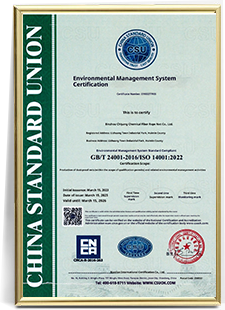
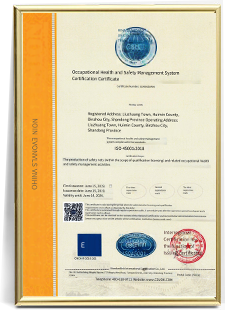
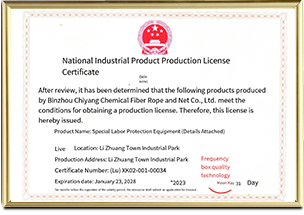
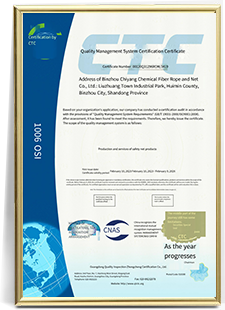
As a forward-looking OEM/ODM factory partner, our R&D division continuously advances netting chemistry and structural design to meet emerging global standards:
Developing next-generation netting synthesized from sugarcane-derived ethylene, reducing carbon footprint by 65% while maintaining identical tensile strength and UV absorption capabilities.
Incorporating micro-prismatic visual refractor particles into HDPE strands that disrupt avian ultraviolet visual spectrums, providing passive visual repulsion before physical contact occurs.
Integrating conductive smart-yarn tracer strands into broad-acre orchard netting grids to transmit automated mechanical tension loss alerts to farm management applications.
 Chiyang Net