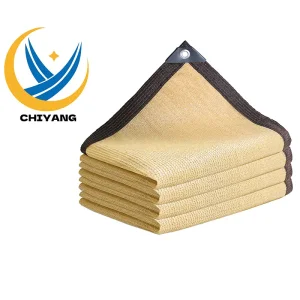
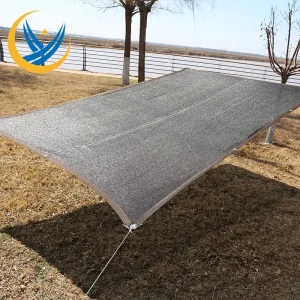
Explore our factory-direct wholesale products engineered for harsh environmental resilience, utility-scale photovoltaic protection, and heavy-duty industrial applications.
As the global energy transition accelerates, commercial, industrial, and utility-scale solar photovoltaic (PV) installations have expanded rapidly. However, solar array infrastructure presents an ideal micro-environment for urban and rural bird species. The gap between solar panels and rooftop surfaces offers warmth, shelter from predators, and protection against harsh weather. Unchecked avian infestation poses severe operational, financial, and safety risks to solar asset owners and Engineering, Procurement, and Construction (EPC) contractors.
Accumulated bird droppings (guano) cause severe localized shading. This shading creates permanent thermal hotspots within PV cells, leading to micro-cracks, accelerated bypass diode failure, and localized cell degradation that reduces energy production by up to 25%.
Uric acid in bird droppings has a pH between 3.0 and 4.5. Over time, this acid eats through protective module coatings, degrades aluminum mounting frames, corrodes galvanized racking systems, and compromises structural integrity.
Nesting material—straw, twigs, dry grass, and synthetic litter—accumulates beneath solar panels, right against high-voltage DC wiring. Pests chewing on wire insulation, combined with flammable debris, significantly increases the risk of electrical arc fires.
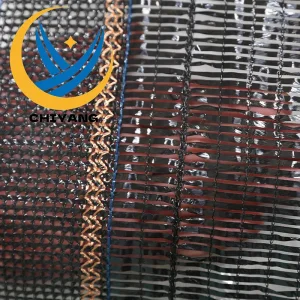
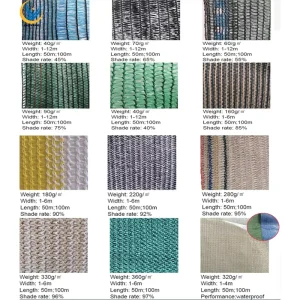
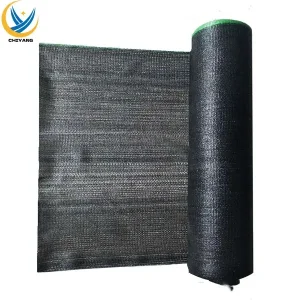
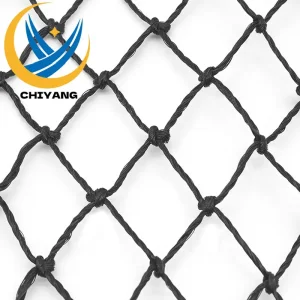
As a leading OEM/ODM manufacturer, our bird netting systems are engineered using high-density polyethylene (HDPE) reinforced with specialized carbon-black UV stabilizers. Unlike standard residential nets that break down under UV exposure within 12–18 months, our industrial-grade netting is designed for 10–15 years of continuous outdoor use in extreme climates.
| Performance Parameter | Factory UV-Stabilized HDPE Mesh | Stainless Steel / PVC Mesh | Standard Nylon Netting |
|---|---|---|---|
| Raw Material Origin | 100% Virgin High-Density Polyethylene | 304/316 Stainless or PVC Coated Wire | Recycled Polyamide (Nylon) |
| UV Degradation Resistance | 500–1000 KLy (Hindered Amine Light Stabilizers) | N/A (Coating splits under thermal expansion) | Poor (Fails in < 24 months) |
| Electrical Conductivity | Non-Conductive (Zero risk of arc fault) | Conductive (Requires grounding under NEC 690) | Non-Conductive |
| Thermal Expansion Tolerance | High Flexibility (-50°C to +90°C) | Low (Rigid; causes thermal stress on frame) | Moderate (Absorbs moisture and sags) |
| Tensile Breaking Strength | > 750 N / 50mm (High Break Strength) | High Break Strength | Moderate |
| Airflow & Convection Preservation | Optimal Mesh Mesh Pitch (15-25mm) - 92% Airflow | Variable (Often blocks thermal dissipation) | Variable |
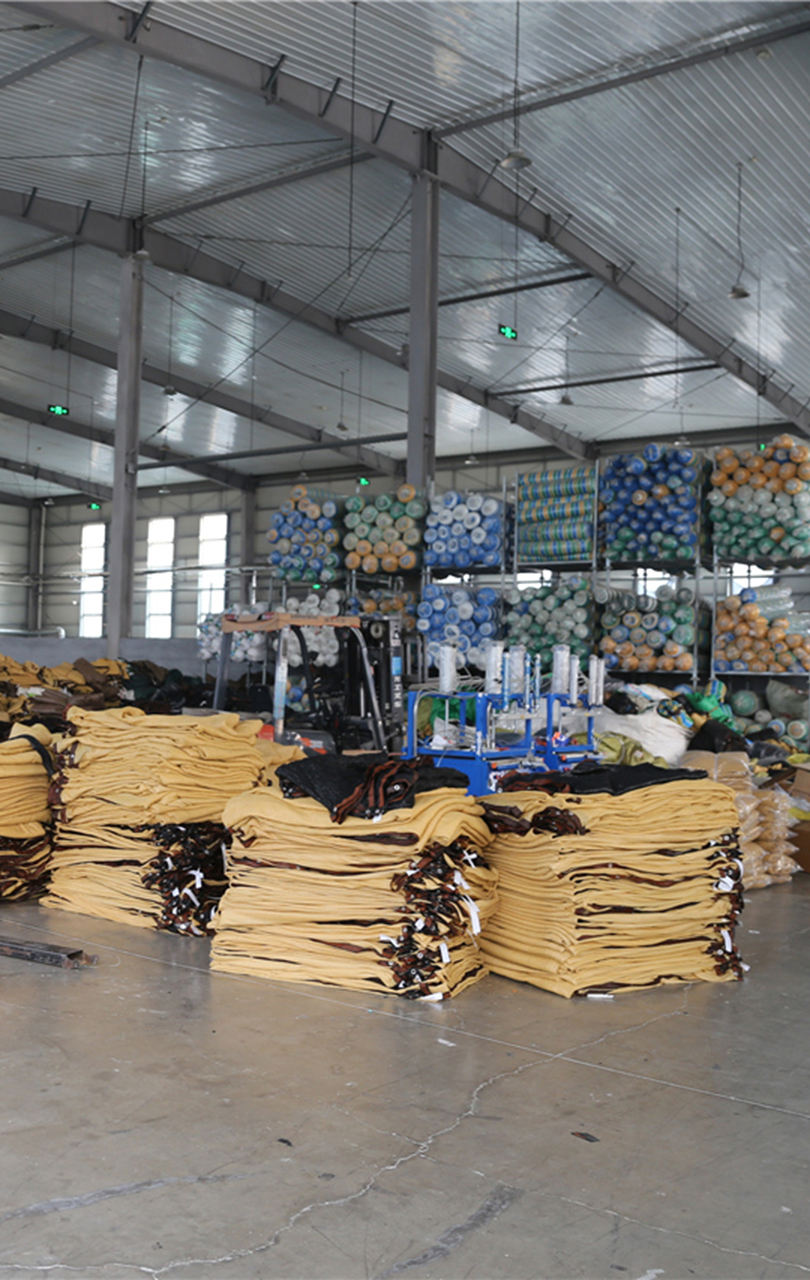
Strength comes from visible hardware investment and scale accumulation. As a trusted global manufacturing partner, we operate 16 advanced warp-knitting and extrusion machines, forming the core of our efficient and intelligent production. These precision systems control every process from raw polymer formulation to final product packaging, ensuring physical accuracy and batch-to-batch consistency.
We believe output is the skeleton, but quality is the soul. Comprehensive quality inspection is embedded in our corporate DNA. From raw polymer resin inspection and in-process tension testing to final UV-aging simulation, every square meter of netting undergoes rigorous checks to guarantee physical performance, precise dimensions, and compliance with global standards.
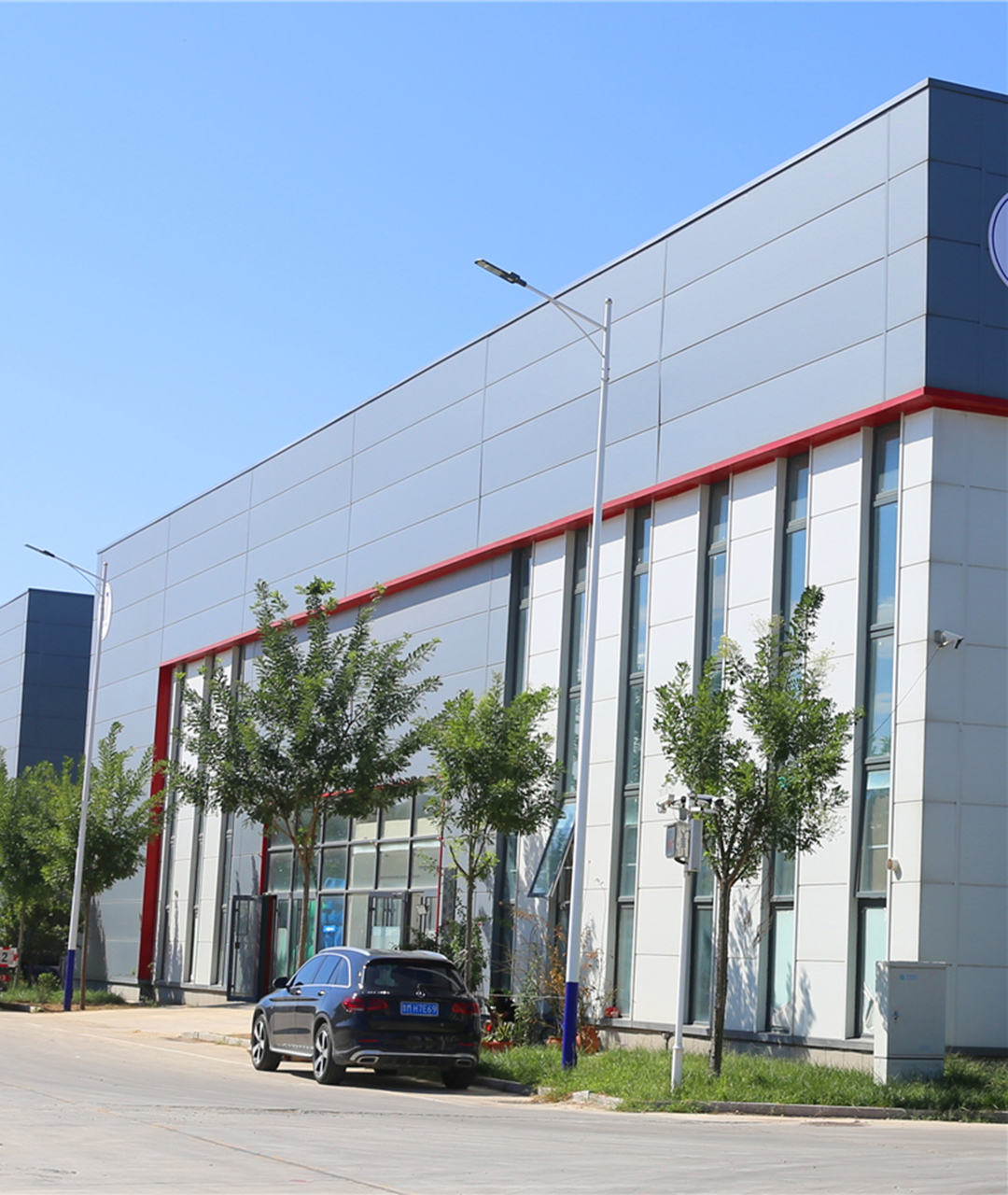
Located in a modern 6,800 square meter factory, our streamlined workflow guarantees fast lead times for bulk orders, supporting global distributors and PV system integrators with reliable, high-volume production.
A major concern for PV asset managers is maintaining module manufacturer warranties. Traditional mechanical fasteners that drill into aluminum frames void warranties and create points for galvanic corrosion. Our wholesale bird netting systems are designed to work seamlessly with non-penetrating UV-stabilized poly carbonate clips and stainless-steel J-hooks.
Patented solar netting clips clamp onto the inner lip of the solar panel frame without drilling. These clips securely hold the net while allowing quick removal during emergency inverter maintenance or array cleaning.
Our warp-knotted netting structure distributes wind tension evenly across panel arrays. Engineered to withstand hurricane-force winds up to 140 mph (62 m/s), it prevents sagging, flapping, and structural wear.
Specialized extrusion technology ensures a smooth surface that prevents debris from catching. Rain naturally cleans the mesh, eliminating ongoing maintenance costs for operations teams.
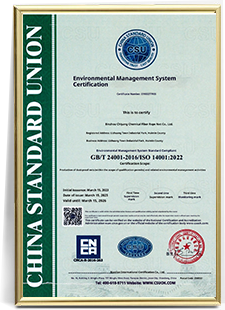
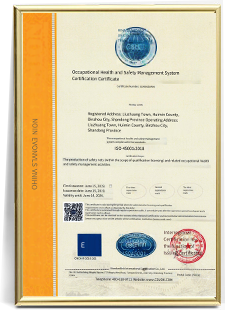
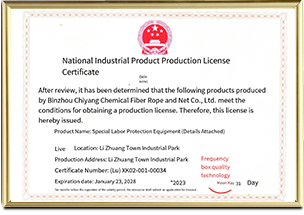
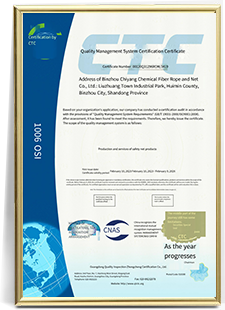
International projects require strict adherence to regional building codes, fire standards, and environmental regulations. Our production facilities maintain rigorous quality compliance (ISO9001/ISO14001) to support turnkey solar installations across North America, Europe, Australia, and the Middle East.
We provide complete material test reports (MTR), flame retardancy certificates, and accelerated UV weatherometer test results with every commercial export batch.
Our solar panel bird mitigation products adapt to diverse physical layouts and geographical environments worldwide:
Challenge: Urban rooftops attract pigeons and gulls, causing heavy soiling and structural damage.
Solution: 15mm-20mm UV-stabilized high-density netting fitted along outer array boundaries using non-invasive frame locks, securing arrays without penetrating roof membranes.
Challenge: Wide open installations draw birds of prey, starlings, and ground pests, damaging low-hanging wiring harnesses.
Solution: Heavy-duty knifepoint netting wraps underneath racking structures to block entry points across multi-MW tracker systems.
Challenge: Solar arrays over crops create bird hotspots that damage both crop yields and PV equipment.
Solution: Dual-purpose netting balances airflow, provides crop shade, and blocks pest birds from nesting in racking systems.
As the PV sector evolves toward higher efficiencies and bifacial panel designs, protective netting technology is advancing along three main engineering paths:
Modern installations increasingly use bifacial panels that generate power from both sides. Next-generation bird netting features ultra-clear high-transmittance polymers, maintaining rear-side albedo energy yield while keeping pests out.
Stringent regional building regulations require fire-resistant netting materials. Manufacturing focuses on adding halogen-free flame retardants that comply with UL94 V-0 standards.
To lower installation labor costs, exporters offer pre-cut custom roll widths with pre-installed edge reinforcement, reducing deployment time for site technicians by 40%.
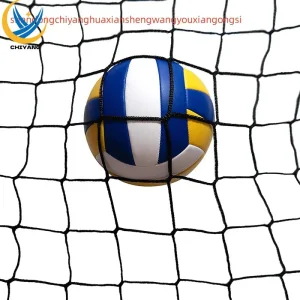
Review our full range of sports, construction, and agricultural protection nets manufactured to international quality standards.
 Chiyang Net