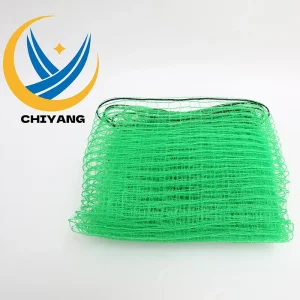
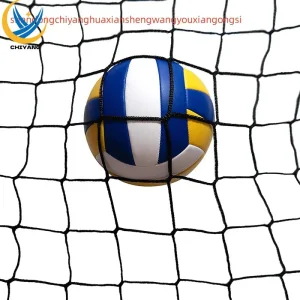
Explore our core ODM agricultural bird screen meshes, high-tensile safety netting, and architectural pest barriers designed for global distribution.
Understanding the economic impact of avian pest intrusion and why High-Tenacity Polyamide (Nylon) mesh remains the gold standard for global enterprise infrastructure.
Across global agricultural, commercial, and urban architecture sectors, uncontrolled avian intrusion accounts for billions of dollars in annual yield loss, structural degradation, and biosecurity threats. From high-value viticulture in South America and stone fruit orchards in California to historic architectural facades in Europe and massive photovoltaic (PV) solar arrays in the Middle East, the necessity for permanent, physical exclusion barrier systems has never been more critical. Selecting the correct OEM/ODM manufacturing partner for Nylon Bird Netting represents a strategic engineering decision that directly impacts operational longevity, installation ROI, and environmental resilience.
Commercial berry, vine, and top-fruit operations lose 15% to 40% of unnetted yields to avian foraging. Precision-mesh nylon netting eliminates crop damage without disrupting light transmission or microclimate dynamics.
Modern urban pest control demands structural bird barriers that blend seamlessly into building facades, bridges, and stadium roofs. Translucent and black-dyed monofilament nylon nets deliver sub-visual exclusion.
Intensive aquaculture facilities and poultry farm roof enclosures require heavy-duty anti-predator overhead canopy systems to prevent vector disease transmission (such as Avian Influenza) from wild migratory flocks.
Technical comparison between industrial polymers and proprietary UV-additive formulations engineered by Chinese ODM factories.
The operational lifespan of bird netting installed in outdoor environments is directly governed by two main physical metrics: Tensile Breaking Tenacity (g/d) and Photodegradation Resistance under Solar Ultraviolet (UV-A & UV-B) Radiation. Unlike standard extruded polyolefins, high-grade Polyamide monofilament and multifilament yarns maintain structural elasticity, preventing sag under heavy rain, wind loads, or thermal stress cycles.
| Polymer Specification | High-Tenacity Nylon 6/66 (PA) | High-Density Polyethylene (HDPE) | Polypropylene (PP) |
|---|---|---|---|
| Tensile Strength (MPa) | 750 - 950 MPa | 250 - 450 MPa | 300 - 400 MPa |
| Elongation at Break | 18% - 28% (High Impact Absorption) | 15% - 20% (Rigid) | 12% - 18% (Brittle under cold) |
| UV Resistance Index (with HALS) | 500 kLy - 800 kLy (Up to 10+ Years) | 350 kLy - 500 kLy | 200 kLy - 300 kLy |
| Melting Point (°C) | 220°C - 260°C | 130°C - 135°C | 160°C - 165°C |
| Knot Breaking Retention | 88% - 94% (Superior Knot Hold) | 70% - 80% (Slippage Prone) | 65% - 75% |
| Aesthetic Profile / Visibility | Ultra-thin, Sub-visual profile | Thick strand, High visibility | Medium visibility |
Synthetic polyamide polymers naturally degrade when exposed to solar UV radiation via free-radical photo-oxidation pathways. Our custom ODM formulations incorporate a masterbatch matrix composed of Hindered Amine Light Stabilizers (HALS), secondary antioxidants (Phosphites), and Micronized Carbon Black (19nm particle size). This triple-action defense captures hydroperoxide radicals formed during sunlight exposure, ensuring that our Nylon bird netting retains >85% of its original breaking load even after 7 years of intense Mediterranean or desert solar exposure (800 kLy/year index).
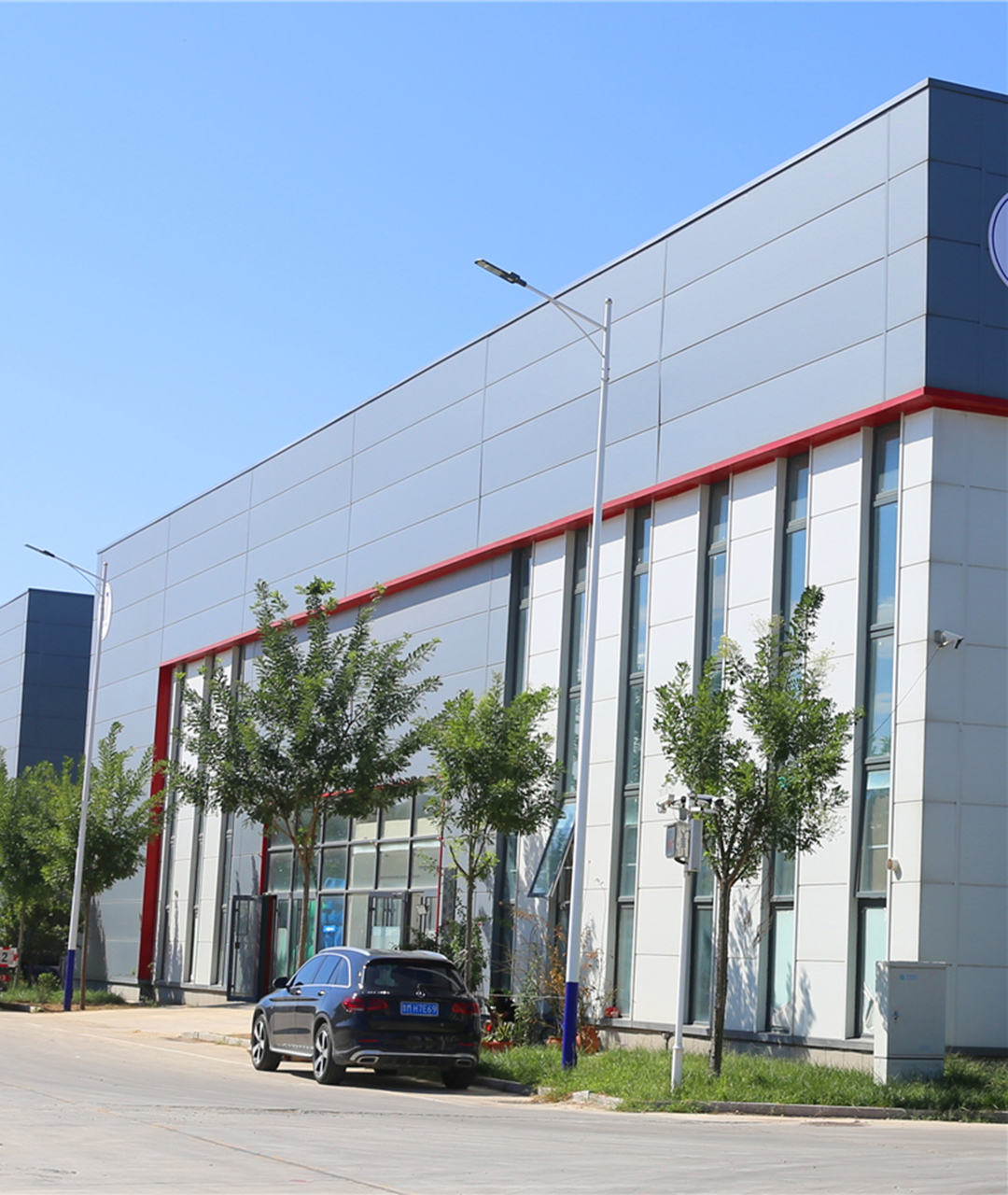
16 Advanced Knitting Machinery Units | 6,800m² Production Base | 800,000m² Monthly Output
We understand that while output is the skeleton, quality is the soul. Therefore, comprehensive quality inspection is not just a slogan but an action guideline embedded in the company’s DNA. From incoming raw material inspection (polymer resin density & melt index testing), process patrol inspection (mesh gauge & knot torque check), to final product testing (Instron tensile breaking force & QUV accelerated weathering tests), we enforce multi-dimensional quality protocols.
We sincerely look forward to joining hands with you, using our expertise and focus to safeguard your agricultural and structural projects.
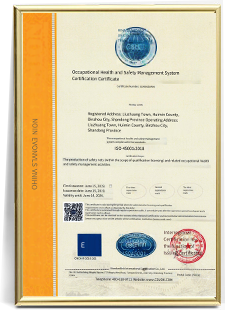
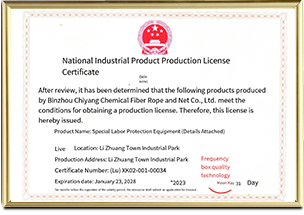
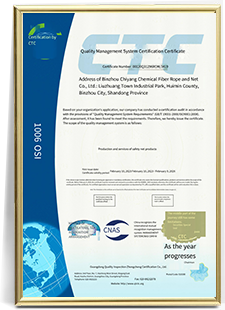
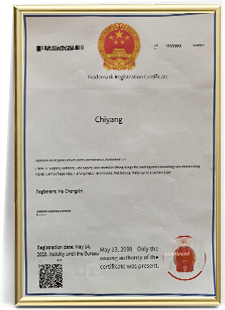
Why leading international brands choose Chinese factories for customized netting engineering and fast turnaround production.
Our strategic location provides direct access to high-purity polyamide resin synthesis, specialized masterbatch dyestuffs, and high-speed Raschel warp knitting machine components, minimizing raw material lead times to under 48 hours.
From micro-mesh 10mm apertures designed for small passerines and sparrows to heavy-duty 50mm square openings for gulls and pigeons, our ODM tooling capabilities support tailored mesh sizes, edge border reinforced ropes, and integrated brass grommets.
With 16 high-efficiency machines operating on automated shift schedules, sample developments are completed within 3 to 5 business days, followed by seamless transition into full-scale mass production exceeding 800,000m² monthly.
From agricultural side-curtains to mega-structure building envelopes, nylon bird netting serves critical protective functions.
Understanding regional pest pressures, weather conditions, and structural attachment methods is key to specifying the optimal netting parameter. Below are major global industrial use cases for our ODM nylon bird netting systems:
Primary Markets: Australia, Chile, Napa Valley (USA), France.
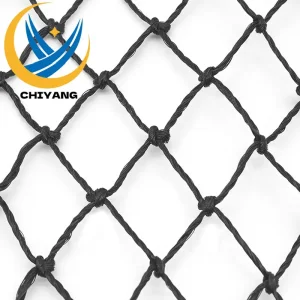
Technical Specification: Knotted Nylon Monofilament, 15mm - 20mm Diamond Mesh, Light Green or Stone Gray, UV Stabilized for 500 kLy.
Application Method: Complete overhead canopy structure or single-row side draping during ripening season to prevent severe grape peck damage.
Primary Markets: UK, Germany, United Arab Emirates, North America.
Technical Specification: High-Tenacity Multi-Strand Nylon 6, 19mm - 50mm Square Mesh, Black or Translucent.
Application Method: Tensioned cable frame installation on historical facades, air conditioning wells, warehouse roof trusses, and balcony recesses to deter feral pigeons and starlings.
Primary Markets: Southwestern USA, Spain, Australia, Middle East.
Technical Specification: UV-Extreme Black Nylon Netting, Heavy-Duty Knotted 28mm Mesh, High Temperature Resistance.
Application Method: Perimeter exclusion skirts underneath solar panels to prevent bird nesting, wire damage, and efficiency-reducing guano accumulation.
Streamlining procurement workflows, freight volume compression, and Harmonized System (HS) code compliance for international importers.
For international wholesale distributors, agricultural purchasing cooperatives, and commercial pest control contractors, optimizing shipping density and ensuring regulatory clearance are essential for project profitability. Chinese ODM factories offer strategic advantages in shipping packaging compression and international compliance.
| Procurement Parameter | Standard Specification / Factory Benchmark | Commercial Buyer Benefit |
|---|---|---|
| Harmonized System (HS) Code | 5608.19.0000 (Made up nets of man-made textile materials) | Clear customs classification & preferential trade tariff processing. |
| Bale / Roll Hydraulic Compression | Hydraulic high-density baling (Up to 45% volume reduction) | Maximizes TEU / FEU container loading capacity, lowering ocean freight cost per m². |
| Custom Labeling & Barcoding | OEM private labeling, EAN/UPC barcodes, branded master cartons | Direct drop-ship capability from factory to wholesale distribution centers. |
| Quality Certification Documentation | ISO 9001:2015, SGS Tensile Test Reports, RoHS Heavy Metal Free | Simplifies municipal, commercial tender, and government agricultural compliance. |
Pioneering sustainable bio-polymers, optical reflectivity additives, and smart structural monitoring meshes.
As sustainability regulations tighten across Europe and North America, and high-tech agriculture demands smarter crop management, the bird netting manufacturing sector is undergoing rapid technology transitions. ODM factories in China are at the forefront of these advancements:
Integration of specialized optical additives into nylon filaments that reflect light in the ultraviolet spectrum visible to birds. This creates an optical visual barrier that deters birds before they physically touch the mesh.
Transitioning to eco-friendly PA 6,10 derived from castor oil and post-industrial recycled nylon waste streams (Econyl standards), reducing the carbon footprint of large-scale agricultural installations by over 40%.
Nano-scale hydrophobic surface treatments prevent ice accretion during winter freeze cycles and prevent organic dust or algae buildup, extending service life in extreme maritime and alpine climates.
Expert technical answers for procurement directors, structural engineers, and agricultural distributors.
Nylon offers significantly higher tensile strength per gram, superior elasticity under dynamic wind loads, and a finer strand diameter. This makes nylon virtually invisible when installed on building architecture and prevents tearing during high-wind storms in agricultural orchards. HDPE, while lower cost, is stiffer, more visible, and prone to mechanical fatigue at knot points.
With our proprietary Hindered Amine Light Stabilizers (HALS) and carbon-black compound formulations, our industrial nylon netting is engineered to withstand between 5 to 10+ years of continuous high-UV outdoor exposure (rated up to 800 kLy), maintaining over 80% of its initial breaking tenacity.
Mesh selection depends on the target pest bird: 15mm to 19mm aperture for small sparrows, finches, and swallows; 28mm to 30mm for starlings, blackbirds, and thrushes; and 50mm square mesh for larger species like feral pigeons, gulls, and crows.
Yes, as a specialized ODM factory with 16 machines, we manufacture netting rolls in widths up to 30 meters and lengths up to 500 meters. We offer custom perimeter reinforced border ropes (3mm to 8mm), heat-sealed selvedges, brass eyelets, and color customization including Black, Translucent/White, Agricultural Green, and Stone Gray.
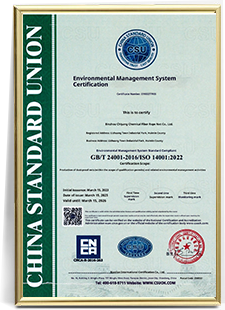
We operate an ISO 9001:2015 certified quality management system. Every batch of virgin polyamide resin is tested for melt flow index and density prior to extrusion. In-line laser mesh sensors continuously monitor aperture uniformity during knitting, and final roll samples undergo tensile burst tests prior to packaging.
Knotted netting features traditional single or double square knots, offering maximum structural rigidity and ease of localized repair if cut. Knotless (Raschel warp-knotted) netting is lighter, smoother, causes zero abrasion damage to delicate fruit skins, and has slightly higher strength efficiency as there are no knot stress points.
We offer optional Flame Retardant (FR) formulations compliant with NFPA 701, DIN 4102-1 (B1), and BS 5867 standards. FR additives are incorporated directly into the polymer melt prior to fiber spinning, ensuring permanent flame resistance that does not wash out.
Custom technical samples are produced and dispatched within 3 to 5 working days. Full container load (20ft / 40ft HQ) mass production is typically completed within 15 to 20 calendar days from artwork/specification confirmation.
Explore our extended factory catalogue covering specialized sports, agricultural shade, and heavy-duty safety protection netting.
 Chiyang Net