Explore our ODM high-performance protective netting series manufactured with certified UV stabilization and high breaking tenacity.
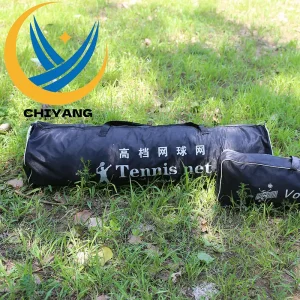
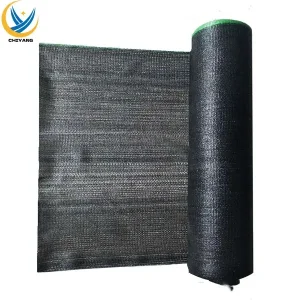
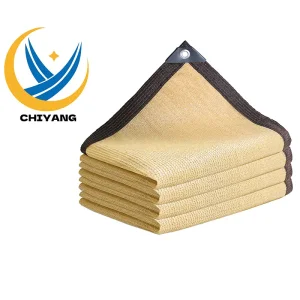
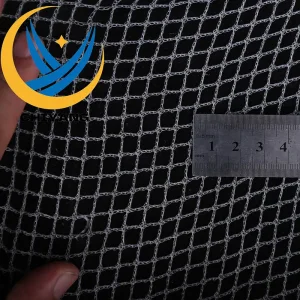
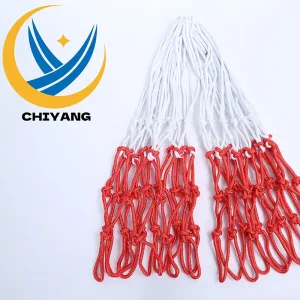
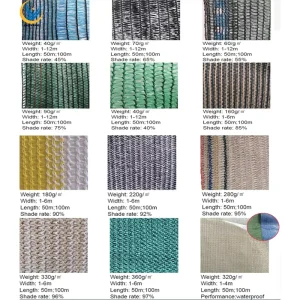
Addressing the economic impact of avian interference through precision-engineered physical netting barriers tailored for high-exposure environments.
Avian droppings contain uric acid (pH 3.0 to 4.5), which corrodes structural masonry, stone facades, and HVAC machinery. Industrial ODM netting systems create permanent, non-lethal, discrete physical barriers across facades, light wells, and roof overhangs without compromising architectural visual aesthetics.
Frugivorous birds (such as starlings, robins, and blackbirds) account for up to 30% of crop loss in commercial vineyards and orchards. OEM micro-mesh nets provide precise shade factor balance, optimal airflow dynamics, and total protection against pecking damage, preserving crop integrity before harvest.
Bird nesting beneath solar panel arrays generates thermal hotspots, fire hazards, and substantial efficiency degradation due to bio-soiling. Heavy-duty flame-retardant ODM poly-nets block nesting under PV racks, retaining baseline operational kWh yields.
Piscivorous species (herons, cormorants, and gulls) present severe biosecurity risks and biomass depletion in fish farming ponds. UV-treated high-density polyethylene canopy nets span wide water surface areas, engineered to withstand high wind loads and salt-spray corrosion.
Open-structure warehouses, loading bays, and aviation hangars face severe health compliance threats from avian contamination. Custom-knotted flame-retardant structural netting isolates internal ceiling trusses, maintaining strict FDA, HACCP, and ISO sanitation standards.
Historical monuments and municipal structures require subtle non-destructive mounting solutions. Stainless steel frame-anchored netting designs protect stone structural elements without permanent masonry disfigurement.
Combining decade-long manufacturing expertise with state-of-the-art extrusion and knitting machinery to deliver consistent global supply.
Strength comes from visible hardware investment and scale accumulation. We possess 16 advanced extrusion and netting machines, which serve as fine instruments forming the core of efficient and intelligent production. These machines ensure that every process from raw polymer compounding to final mesh formation is precise, safeguarding structural accuracy and physical tensile consistency from the source.
Located in a modern facility covering 6,800 square meters, our production base operates under a lean manufacturing design. Operated by a dedicated team of 26 specialist engineers and technicians, our facility scales up to an outstanding monthly production capacity of 800,000 square meters. Regardless of bulk order volume or tight installation deadlines, we guarantee steady, high-precision delivery schedules worldwide.
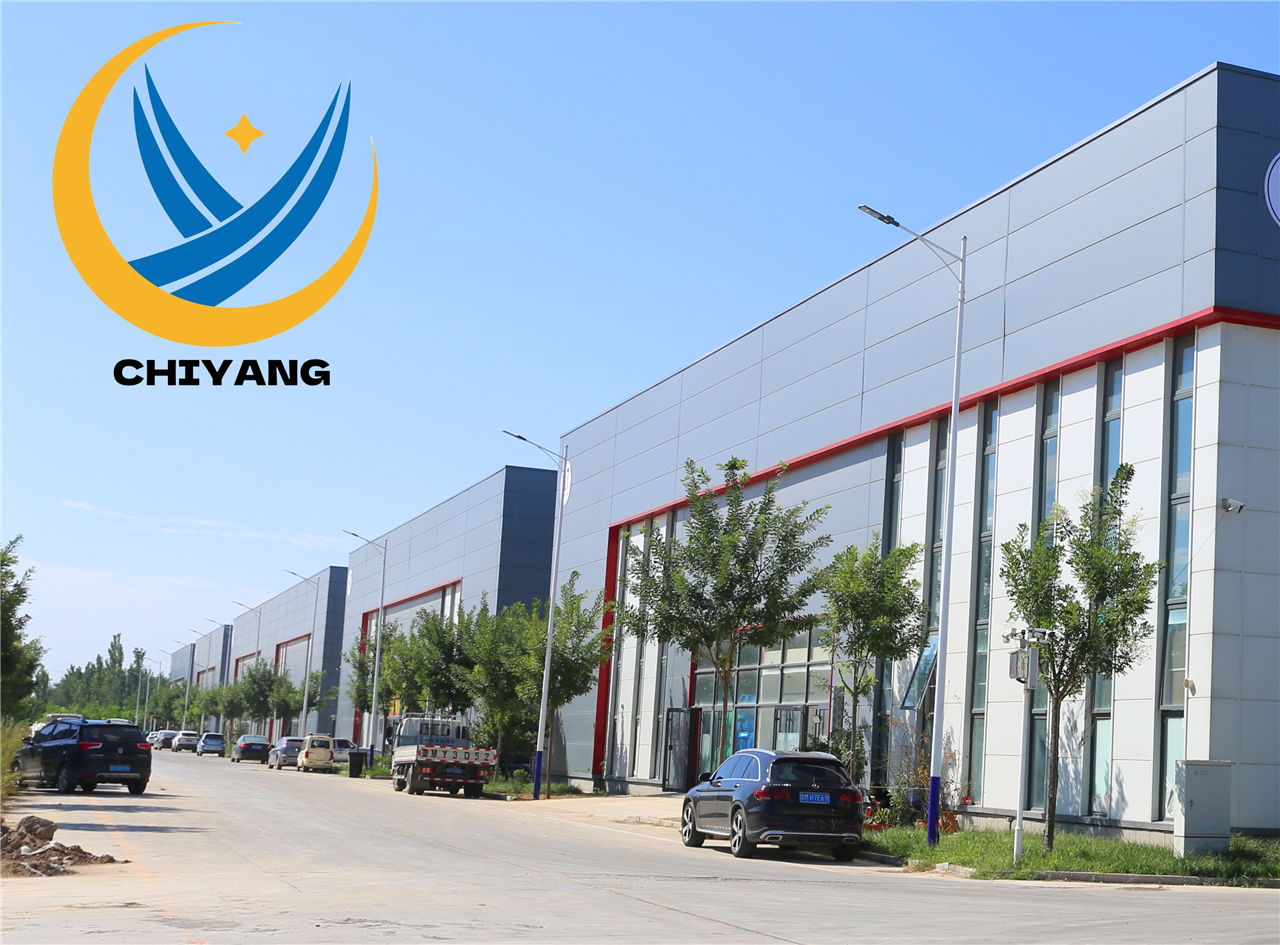
We understand that while volume output establishes operational scale, physical quality defines product longevity. Quality control is embedded in our DNA through a multi-dimensional inspection framework:
Engineered to precise physical dimensions, species exclusion requirements, and environmental stress profiles.
| Target Avian Species | Optimal Mesh Aperture | Polymer Base Material | Tensile Breaking Strength | Expected UV Lifespan |
|---|---|---|---|---|
| Sparrows & Small Passerines | 15mm - 19mm (3/4") Square Mesh | 100% Virgin High-Density PE (HDPE) | > 18 kg per strand | 5 - 10 Years (Climate dependent) |
| Starlings, Mynahs & Blackbirds | 28mm - 30mm (1-1/8") Square Mesh | High-Tenacity Polypropylene / HDPE | > 22 kg per strand | 5 - 8 Years |
| Pigeons & Doves (Urban Standard) | 50mm (2") Square / Diamond Mesh | UV-Stabilized Polyethylene / Nylon 6 | > 32 kg per strand | 7 - 10+ Years |
| Seagulls, Gulls & Waterfowl | 75mm (3") Square Mesh | Ultra-High Molecular HDPE Monofilament | > 45 kg per strand | 10+ Years |
Unprotected polymers undergo photo-oxidation degradation when exposed to solar UV radiation (wavelengths between 290nm and 400nm), causing free-radical cleavage of polymer chains, embrittlement, and loss of tensile strength. Our ODM bird control nets integrate Hindered Amine Light Stabilizers (HALS 944 / 783) alongside Carbon Black formulations at a concentration of 2.0% - 3.5% by weight. This chemically traps free radicals and preserves original breaking tenacity even under extreme UV exposure environments (such as the Middle East, Australia, and Southern USA).
Our manufacturing facility offers dual production routes based on structural application demand:
Evaluating the financial return on physical avian exclusion systems versus alternative bird control mechanisms.
Capital Cost: Moderate Initial Investment
Operational Maintenance: Low
Habituation Risk: Zero (Physical Exclusion)
ROI Cycle: 12 to 18 Months via avoided structural damage and crop loss.
Capital Cost: Low
Operational Maintenance: Moderate
Habituation Risk: Very High (Birds acclimate within weeks)
ROI Cycle: Indeterminate due to declining effectiveness over time.
Capital Cost: High
Operational Maintenance: High (Requires continuous power & calibration)
Habituation Risk: Moderate
ROI Cycle: 24 to 36 Months in restricted indoor settings.
According to global agricultural and facility management studies, untreated bird pest presence causes over $1.5 Billion USD in annual loss across commercial sectors. Damage includes food contamination recalls (HACCP violations), structural roof collapses due to wet nest accumulation in gutter systems, PV array output degradation (up to 25% efficiency loss), and direct crop yield loss. Implementing certified factory-grade ODM netting eliminates physical access, securing long-term operational peace of mind.
Aligning global manufacturing output with local environmental protection regulations and international quality standards.
Modern wildlife protection standards (such as the UK Wildlife and Countryside Act, US Migratory Bird Treaty Act, and European Conservation Directives) mandate that exclusion systems must not cause entanglement or harm to protected species. Our ODM nets are designed with rigid filament memory and high-visibility monofilament options (e.g., high-visibility white, stone grey, or translucent clear) to ensure birds visually identify the physical barrier and alter flight paths safely without physical distress or trapping.
Every batch of netting produced in our 6,800m² facility conforms strictly to international material safety protocols. Our raw materials comply with REACH (EC 1907/2006) and RoHS Directives, ensuring zero toxic heavy metals, phthalates, or halogenated flame retardants leach into the soil during agricultural use.
We sincerely look forward to joining hands with global enterprise partners, using our expertise and manufacturing focus to safeguard your projects.
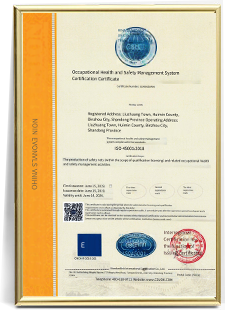
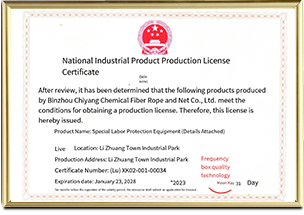
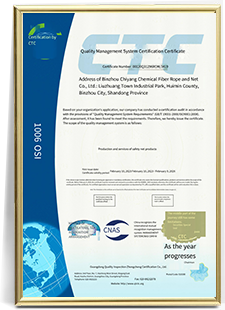
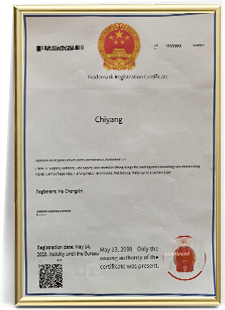
Pioneering advanced material science and smart netting innovations for next-generation agricultural and industrial protection.
R&D initiatives focused on synthesizing bio-based High-Density Polyethylene derived from sugarcane bio-ethanol, reducing carbon footprint metrics by up to 45% without sacrificing tensile strength or outdoor weathering life.
Integrating nano-scale UV optical refractors directly into extrusion filaments. The resulting net reflects UV wavelengths in patterns invisible to humans but highly visible to birds, deterring approach before physical contact.
Incorporating micro-conductive poly-wires across large-span industrial nets. Integrated IoT sensors detect structural sagging, snow load weight, or physical breach cuts, alerting facility managers in real-time.
In-depth answers from our engineering team regarding mesh specifications, UV durability, installation parameters, and factory customization capabilities.
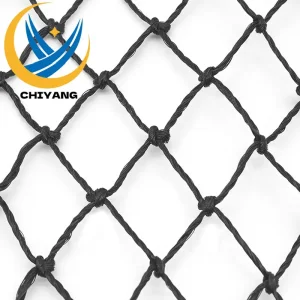
Selecting the correct mesh size depends on the smallest target bird species you need to exclude. As a general industry rule: 19mm (3/4") mesh excludes small birds like sparrows and swallows; 28mm - 30mm (1-1/8") mesh excludes starlings, mynahs, and thrushes; 50mm (2") mesh is the international standard for pigeons and gulls; while 75mm (3") mesh is optimized for large seagulls and waterfowl. Choosing an excessively small mesh for large birds increases wind load and installation cost unnecessarily, whereas an oversized mesh allows smaller species to breach the barrier.
100% Virgin High-Density Polyethylene (HDPE) features uniform molecular chain length and zero molecular degradation, allowing optimal bonding with Hindered Amine Light Stabilizers (HALS). Recycled PE contains degraded polymer chains and impurities that cause unpredictable embrittlement, rapid color fading, and sudden structural failure under direct solar UV within 12–18 months. Our factory strictly utilizes 100% virgin resin to guarantee a 5-to-10-year outdoor operational lifespan.
Yes. As an ODM manufacturer with 16 advanced machines and 6,800m² factory space, we offer full customization. We produce netting in standard black, stone grey, translucent white, and agricultural green. Additionally, we mold reinforced perimeter selvage cords (3mm to 6mm border ropes) and cut mesh to precise panel dimensions (e.g., 10m x 10m, 20m x 50m, or custom tailored geometry) to streamline field installation for contractors.
For enclosed industrial buildings, indoor logistics centers, and aviation hangars, building codes require compliance with flame retardancy standards such as NFPA 701 or DIN 4102-1 B1. During our extrusion process, we compound specialized halogen-free flame retardant additives into the polymer melt, ensuring the netting self-extinguishes upon removal of a direct flame source and does not produce flaming droplets.
With our monthly production capacity reaching 800,000 square meters, standard ODM enterprise orders (20,000m² to 100,000m²) are typically processed, manufactured, quality-inspected, and packed within 14 to 21 business days. Fast-track production lines can be prioritized for urgent agricultural harvesting windows or commercial construction deadlines.
Browse our extensive collection of sports netting, agricultural protection screens, and custom bird barrier solutions.
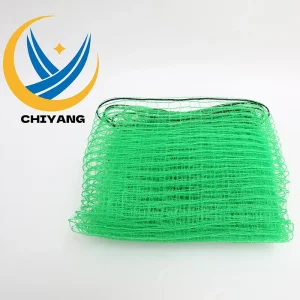
In the grand wave of industrial manufacturing, our company has been deeply rooted in the netting industry for over a decade. Quietly writing our own glorious chapter through master craftsmanship and advanced polymer science, we are not just a manufacturer; we are a trusted partner dedicated to creating value that exceeds expectations for our global partners through leading technical engineering, stable production capacity, and impeccable quality assurance.
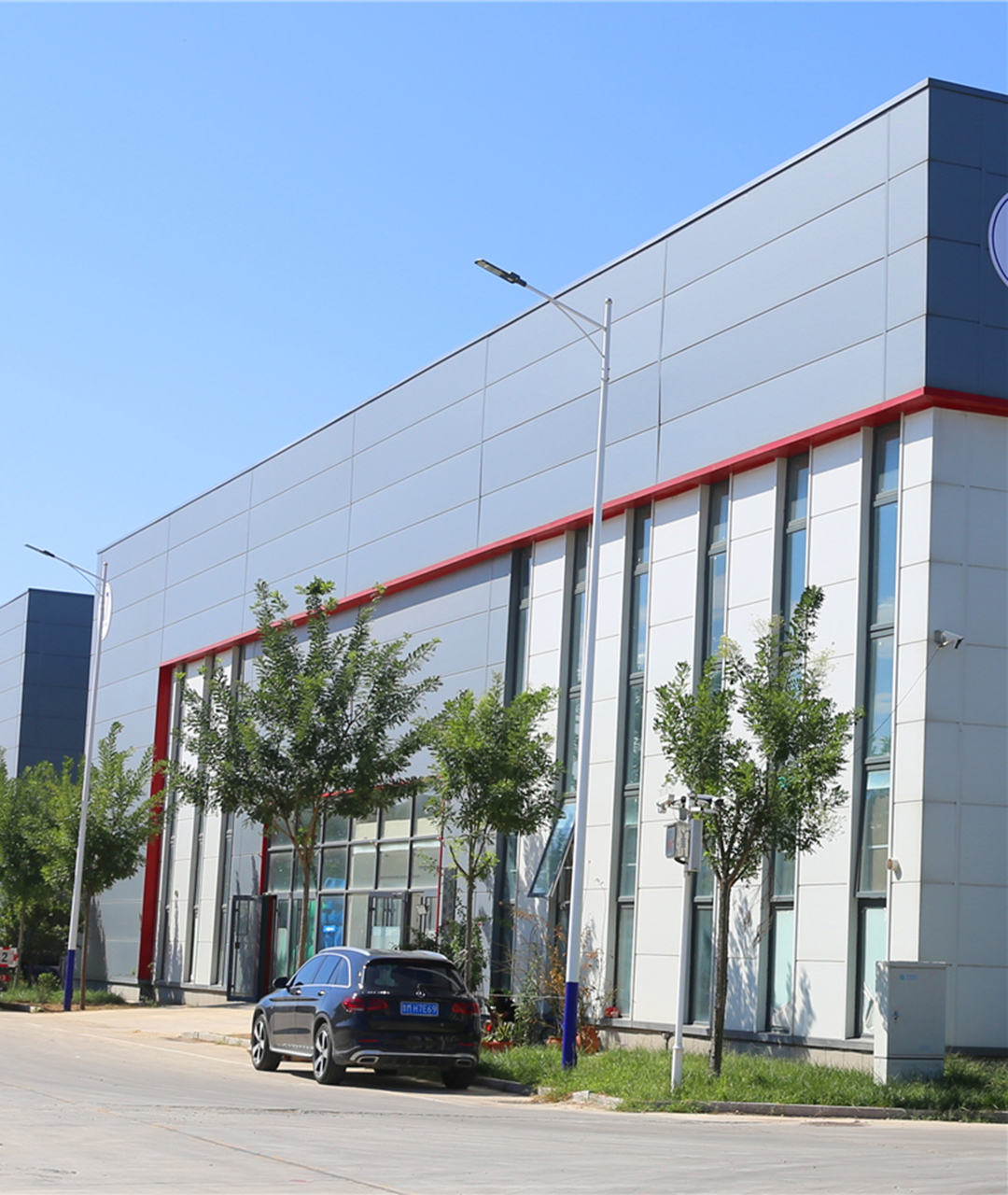
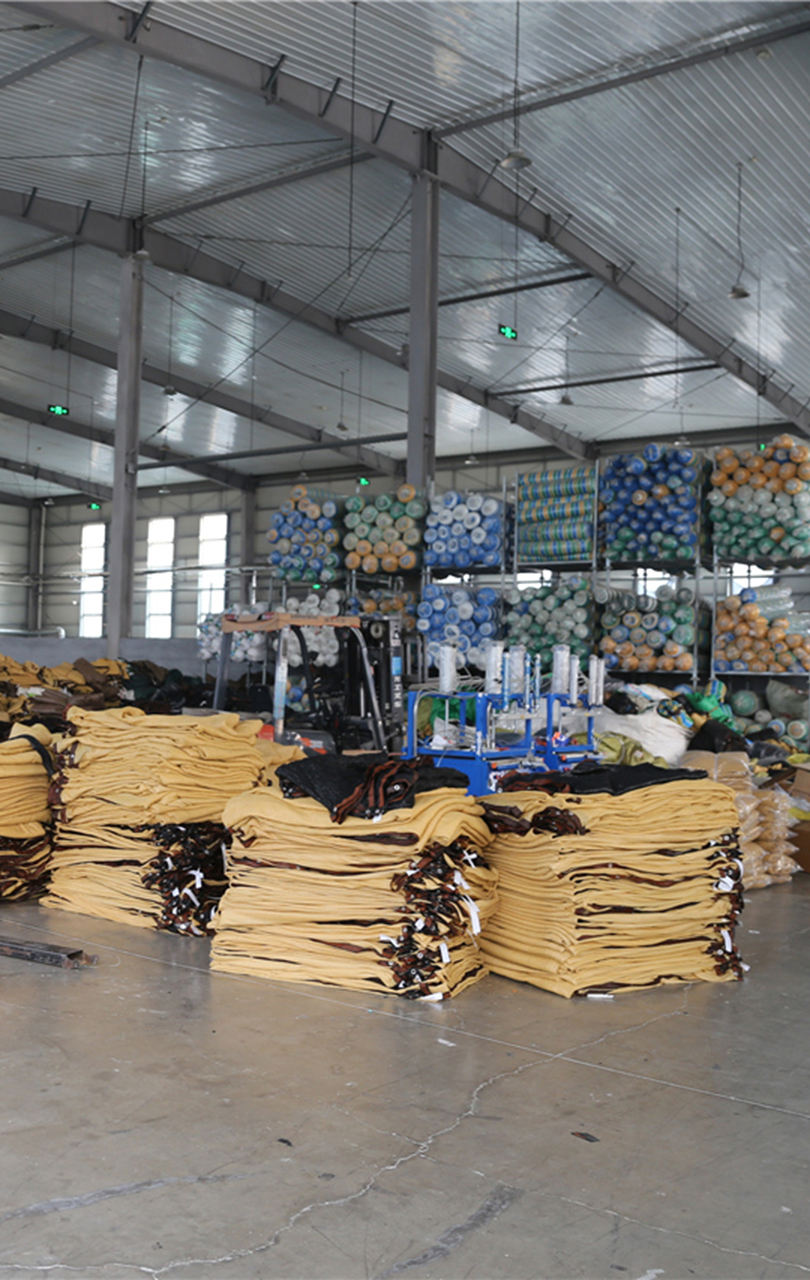
 Chiyang Net