Direct factory supply solutions customized for high-tensile protection, UV resistance, and multi-sector applications.
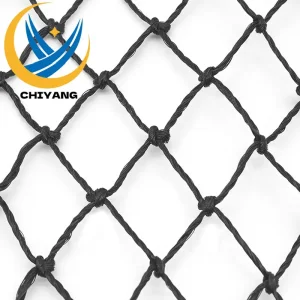
An authoritative technical analysis of global procurement trends, bird containment dynamics, and supply chain strategies for international enterprise buyers.
Information Gain Insight: Commodity netting exhibits high failure rates under extreme thermal expansion, UV radiation degradation, and dynamic kinetic impacts. Industrial-grade ODM bird catching netting integrates proprietary UV-stabilized polymer matrix engineering, precision warp-knitting, and tailored mesh geometry to guarantee long-term operational resilience.
Protecting high-value crop yields (vineyards, orchards, berry canopies) against frugivorous bird species. Reduces crop damage losses by up to 98% while maintaining optimal photosynthetically active radiation (PAR) transmission.
Preventing wild bird access to open-water aquaculture tanks and commercial poultry housing. Prevents vector transmission of Avian Influenza (H5N1) and reduces fish predation losses.
Deterring avian roosting in aircraft hangars, commercial logistics centers, solar panel arrays, and architectural facades without harming wildlife or aesthetics.
Evaluating raw polymer matrix characteristics, UV stabilization additive chemistry, and physical structural integrity.
| Polymer Type | Tensile Strength (MPa) | UV Light Resistance | Water Absorption (%) | Primary Industrial Use Case |
|---|---|---|---|---|
| 100% Virgin HDPE (High-Density PE) | 45 - 65 MPa | Exceptional (with HALS 944) | < 0.01% (Hydrophobic) | Agricultural canopies, hail/bird dual protection, open-air farm screening. |
| Polyamide 6 / 66 (Nylon) | 75 - 110 MPa | Moderate to High (Coated) | 3.0% - 4.5% (Hygroscopic) | Ultra-fine mist nets, scientific research netting, high-impact safety nets. |
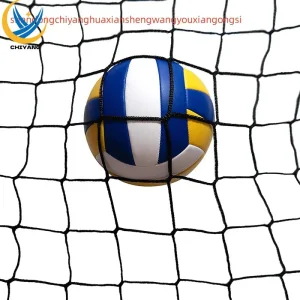
| Polyethylene Terephthalate (PET) | 60 - 85 MPa | High Structural Rigidity | < 0.1% | Architectural bird barrier mesh, tensioned roof framing, sports containment. |
Raw polyolefins degrade rapidly under solar UV-A and UV-B radiation. Our factory incorporates Hindered Amine Light Stabilizers (HALS Chimassorb 944 / Tinuvin 770) at a 2.5% to 3.0% mass ratio. This creates a sacrificial free-radical scavenger network, allowing our netting to survive over 5 to 8 years of continuous high-irradiation tropical exposure without embrittlement or tensile decay.
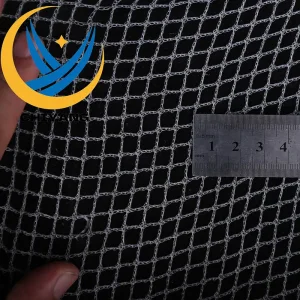
Customizing the mesh diamond or square size is critical to successful bird control. A mesh size of 15mm to 19mm effectively deters small passerines (sparrows, finches); 28mm to 30mm excludes starlings and thrushes; while 50mm target larger species like pigeons and gulls, ensuring zero entrapment hazard while maximizing air flow.
From raw granule synthesis to heat-setting thermal stabilization: How our factory crafts client-specific netting solutions.
Virgin monofilament or multifilament extrusion with masterbatch colorants, UV inhibitors, and flame-retardant additives. Precise control over denier uniformity (from 110D to 2000D).
Utilizing high-speed Karl Mayer Raschel warp-knitting machines to produce knotless nets, or specialized machinery for double-knot construction that prevents mesh slippage during high wind loads.
Steam or hot-air thermal fixation under controlled longitudinal and transverse tension. Eliminates internal material stress, fixes node knot stability, and guarantees dimensional accuracy.
Solid manufacturing metrics built upon over a decade of continuous technological innovation and global fulfillment capability.
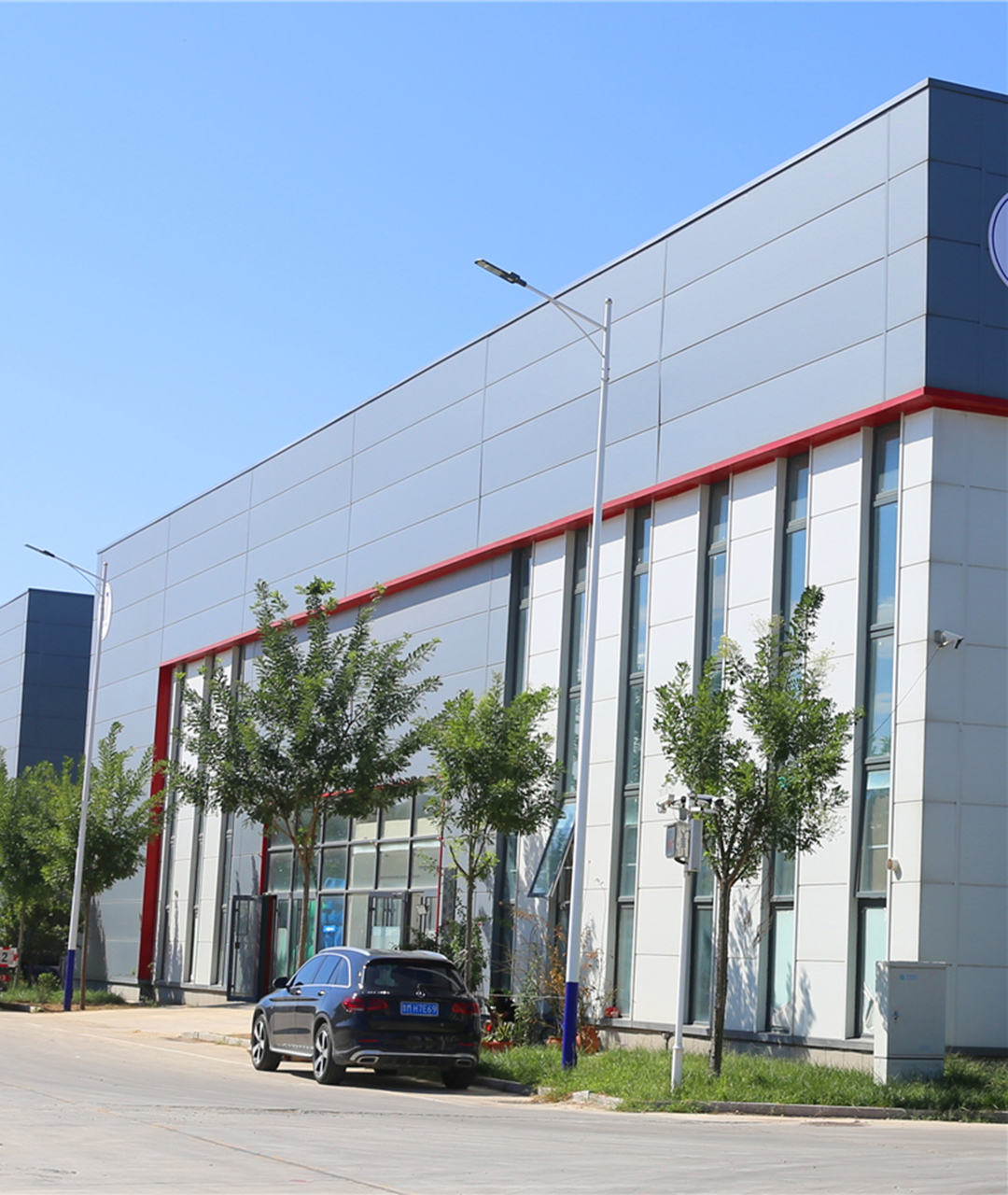
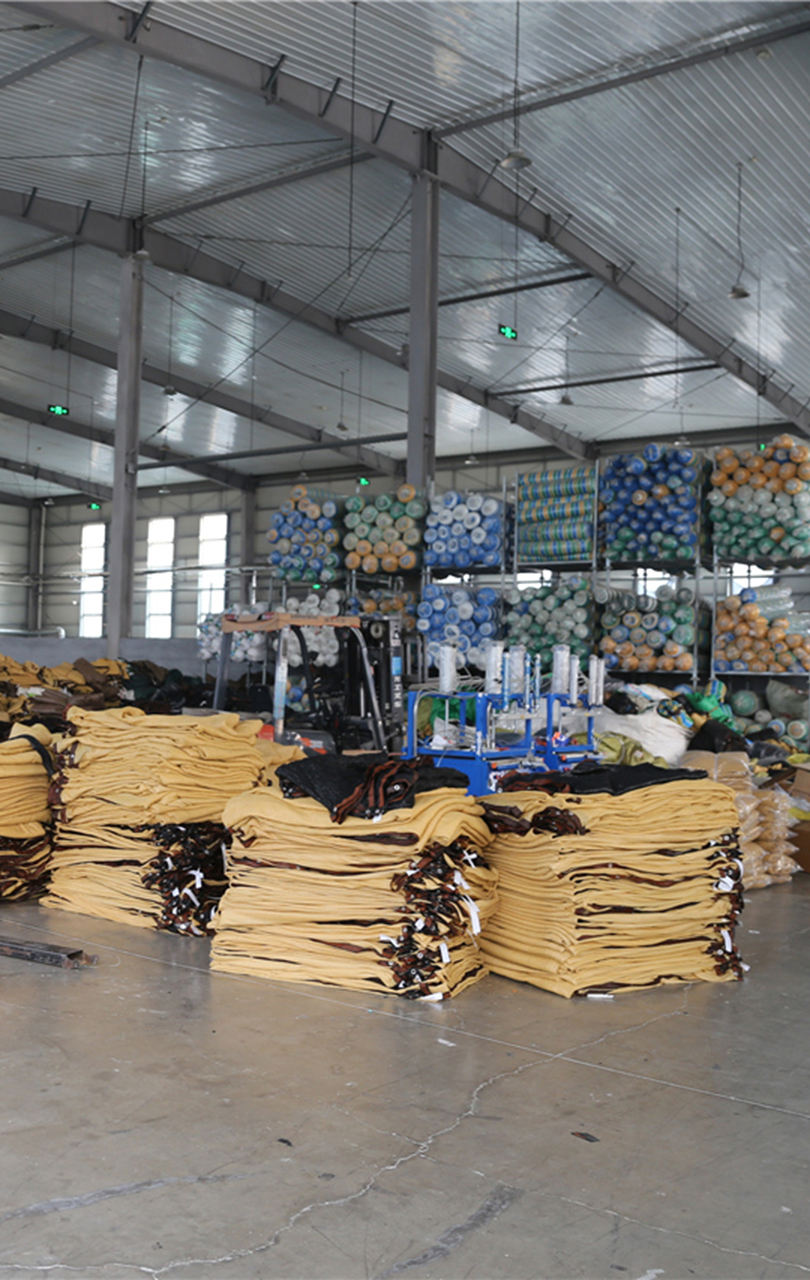
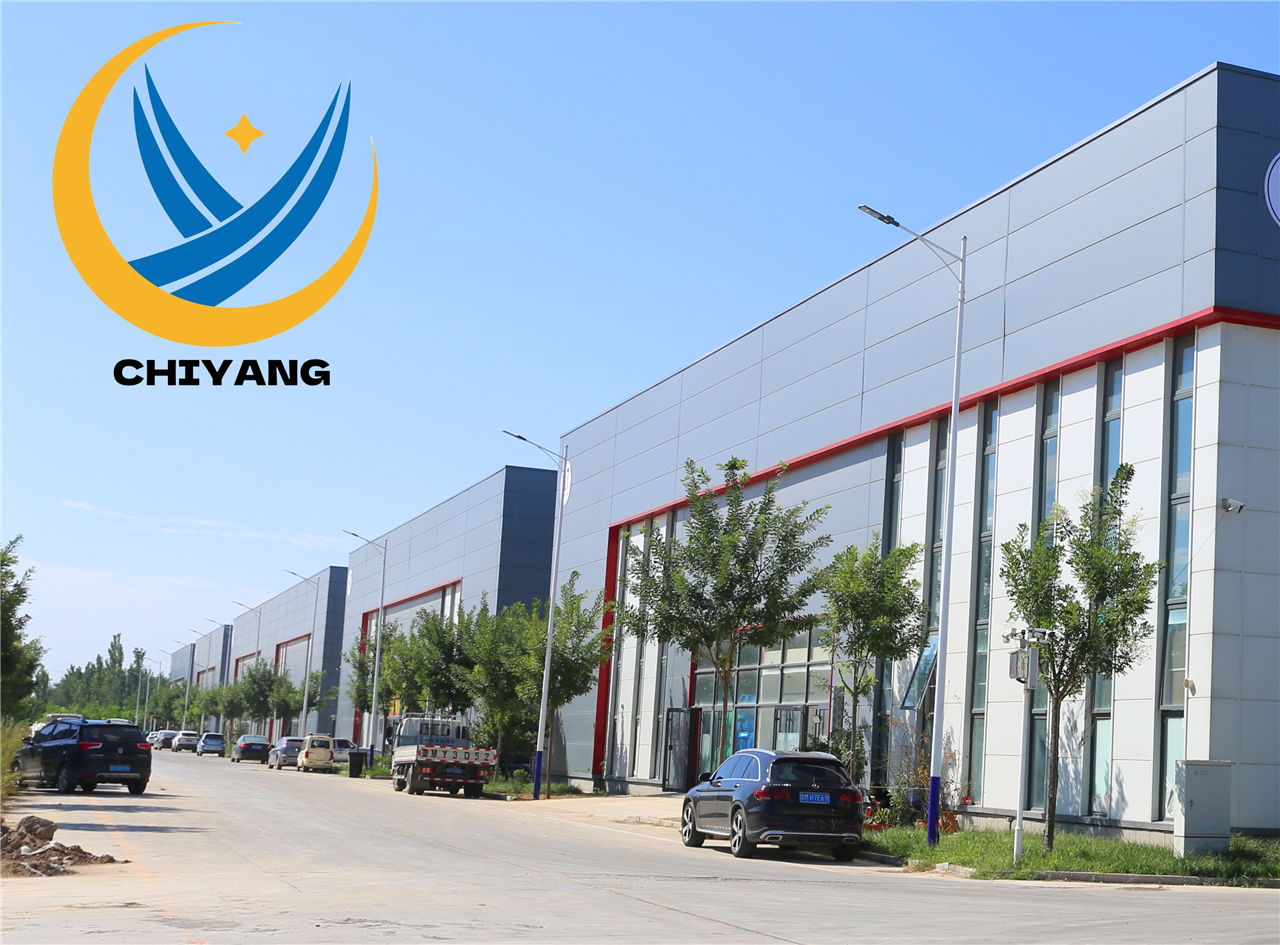
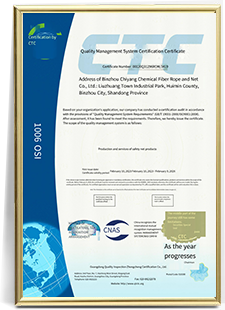
Strength comes from visible hardware investment and scale accumulation. We possess 16 advanced warp-knitting and netting machines, serving as fine instruments forming the core of efficient and intelligent production. These machines ensure that every process from raw polymer receipt to finished mesh inspection is executed with extreme precision.
Located in a modern facility spanning 6,800 square meters, our factory houses a scientifically planned production workflow. On this foundation, our 26 dedicated specialists deliver an impressive monthly output of 800,000 square meters, maintaining on-time delivery across peak commercial seasons.
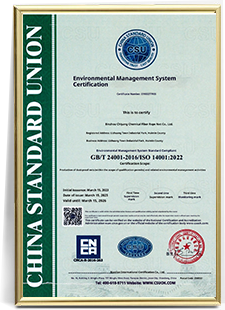
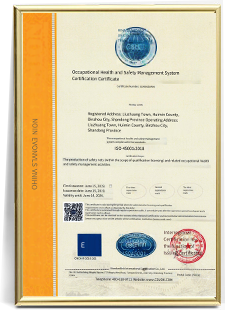
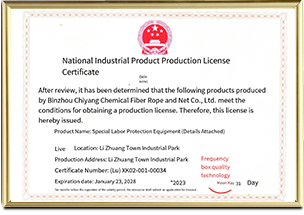
We maintain zero-tolerance quality inspection protocols across three rigorous stages: Incoming Raw Material Testing (Melt Flow Index & Denier verification), In-Process Inspection (knot stability & width tension checking), and Final Product Testing (bursting strength, tensile elongation, and color fastness).
Deploying specialized containment solutions across agricultural, commercial, industrial, and ecological domains.
Commercial vineyards, blueberry farms, and fruit orchards require overhead netting systems that withstand heavy cross-winds without sagging onto fruit-bearing branches. Our ODM HDPE netting features reinforced selvedges and low-stretch yarn formulation to maintain flat, high-tension spans over multi-hectare canopy frames.
Historic restoration projects, hospital roofs, and commercial air-handling units demand discreet exclusion netting. Our ultra-thin monofilament black nylon and flame-retardant PET netting offer high transparency and fire safety compliance without compromising building aesthetics.
Ornithological banding studies and migratory survey efforts require humane "mist netting". Constructed from micro-denier, non-reflective Japanese-grade nylon yarn, our mist nets yield high capture efficiency while protecting avian specimens from feather abrasion or injury.
Avian nesting under rooftop solar PV modules causes thermal hot-spots and wiring damage. Our specialized rigid netting solutions provide physical blockades against roosting while allowing full ventilation to prevent inverter overheating.
Ensuring full international market compliance, non-toxic eco-friendliness, and reliable containerized freight support.
Free from SVHC (Substances of Very High Concern), heavy metal pigments (lead, cadmium), and restricted phthalates. Safe for food-contact crop environments.
Designed strictly to physical barrier standards, preventing entanglement hazards through precise mesh sizing aligned with local environmental protection regulations.
High-density hydraulic bale compression minimizes sea freight volumetric weight, lowering shipping costs per square meter for international B2B importers.
Next-generation material engineering and smart agricultural containment developments.
Transitioning toward PCR (Post-Consumer Recycled) HDPE and bio-polyolefins sourced from renewable feedstocks, offering up to a 40% reduction in product carbon footprint without compromising tensile yield.
Incorporating nano-fluoropolymer treatments to reduce dirt buildup, ice accumulation, and bio-fouling, lowering maintenance costs in high-humidity agricultural and marine environments.
Clear, authoritative technical answers to common commercial, engineering, and logistics questions.
Explore our full line of safety, hail, sports, and specialized agricultural exclusion netting engineered for long-term field reliability.
 Chiyang Net