Explore our factory-direct, highly durable containment meshes, sports protection netting, and custom UV-stabilized agricultural shade solutions exported worldwide.
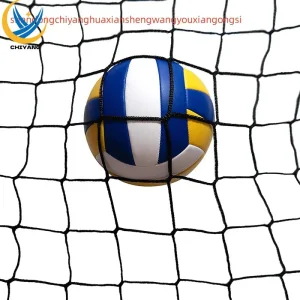
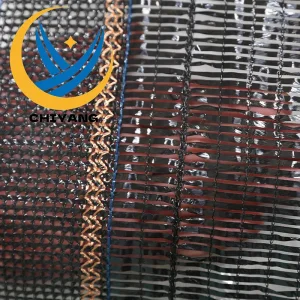
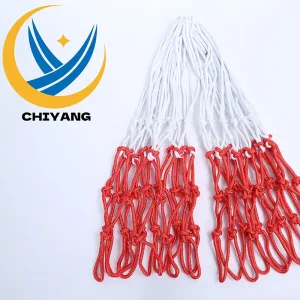
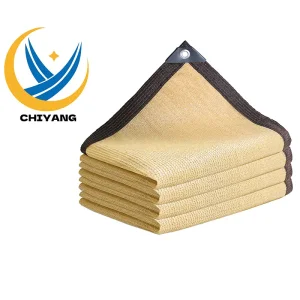
In high-rise structural development, civil infrastructure, and urban renovation projects, scaffold safety mesh serves as the primary barrier against dropped objects, worker falls, and environmental exposure.
Governments and regulatory bodies across North America (OSHA standard 1926.502), Europe (EN 1263-1 / EN 1263-2), and the Asia-Pacific region are standardizing mandatory enclosure requirements for all construction scaffolds exceeding 2 stories. Compliance is no longer optional; it directly dictates contractor liability and site viability.
The traditional polypropylene (PP) netting market is rapidly transitioning toward high-density virgin polyethylene (HDPE) with embedded Hindered Amine Light Stabilizers (HALS). This material revolution dramatically extends mesh outdoor lifespan from months to years under extreme ultraviolet exposure.
Sourcing scaffolding safety mesh from verified Chinese manufacturers provides direct access to vertically integrated polymer extrusion, warp knitting, and automated eyelet processing—achieving up to 35% total cost of ownership (TCO) savings without sacrificing international compliance standards.
Accumulating Strength, Crafting Excellence: Setting Industry Standards with Superior Quality
Strength comes from visible hardware investment and scale accumulation. We possess 16 advanced warp knitting machines, which serve as fine instruments forming the core of efficient and intelligent production. These machines ensure that every process from raw polymer granules to finished netting is precise and accurate, enhancing production efficiency while safeguarding product accuracy and consistency from the source.
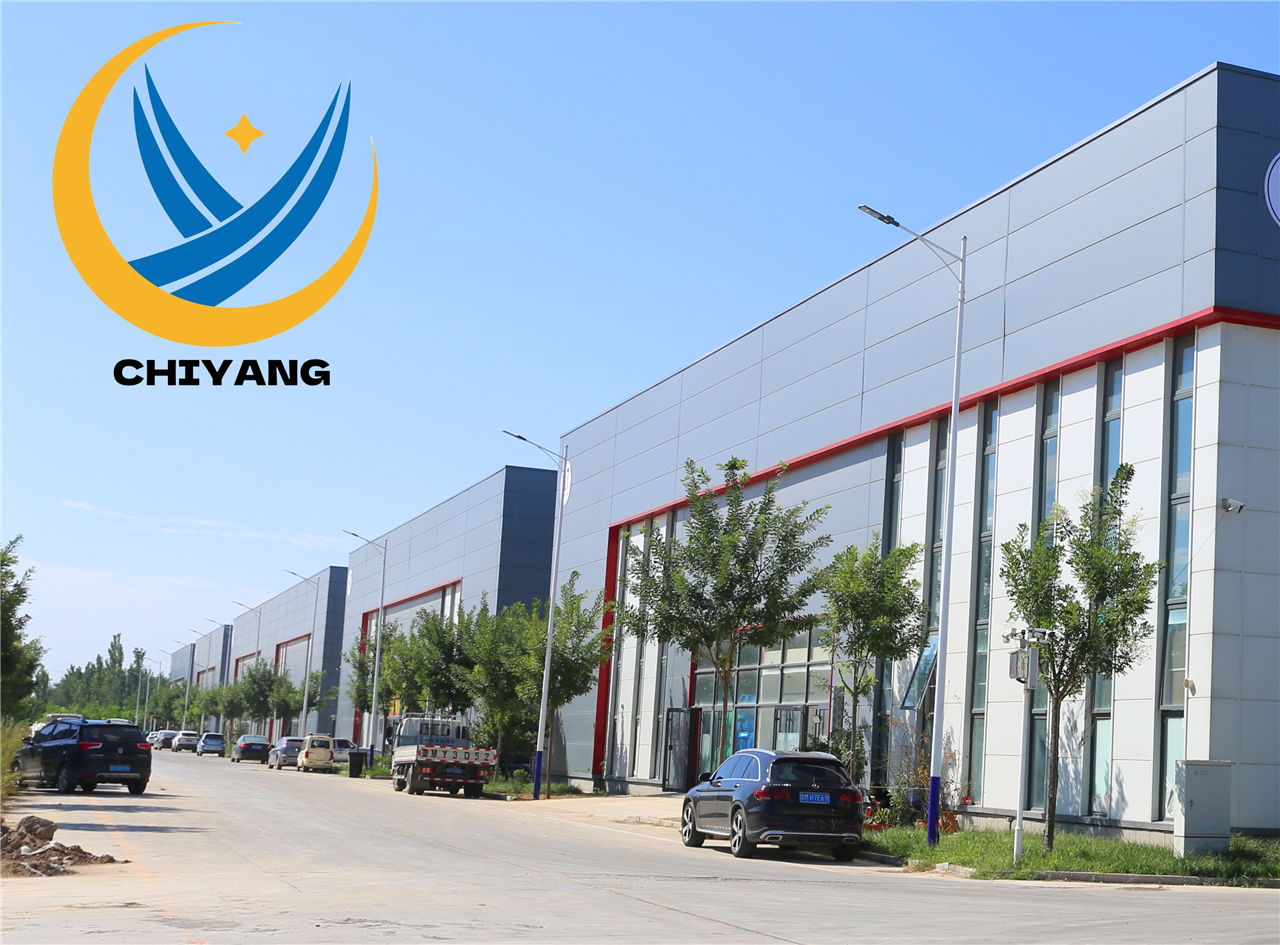
Located in a modern factory covering 6,800 square meters, we have built a scientifically planned and smoothly flowing production base. This spacious area is not only a stage for production but also a solid support for material flow, technology research and development, and quality control. On this foundation, we have achieved an outstanding monthly production capacity of up to 800,000 square meters. Regardless of order size or tight deadlines, we have the confidence and capability to ensure that products are delivered to our customers steadily and on time.
We understand that while output is the skeleton, quality is the soul. A commitment to quality throughout every square meter produced.
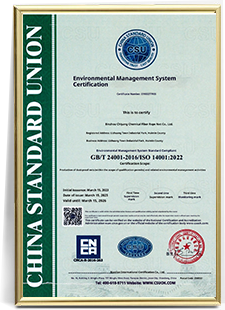
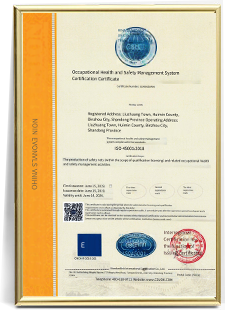
Every batch of virgin HDPE resin, UV masterbatch, and pigment undergoes melt-flow index testing, density validation, and chemical purity checks before entering the extrusion line.
Automated tension controllers and 24/7 laser flaw detectors continuously inspect the warp knitting machine outputs, ensuring zero mesh drops, uniform hole sizes, and consistent border reinforced selvages.
Every production lot undergoes burst strength testing, drop-impact energy absorption tests, and eyelet pull-out resistance testing to guarantee performance under real-world job site stress.
We sincerely look forward to joining hands with you, using our expertise and focus to safeguard your projects and create an even more brilliant tomorrow together.
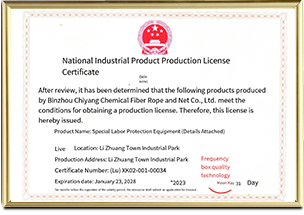
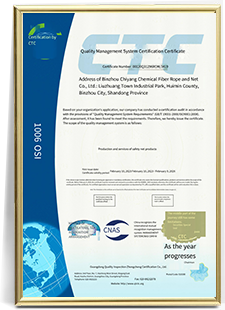
Selecting the correct synthetic fiber for construction containment netting requires understanding structural elasticity, tensile breaking force, chemical resistance, and solar degradation mechanisms.
| Material Property | Virgin HDPE (High-Density Polyethylene) | High-Tenacity Polyester (PET) | Polyamide (Nylon 6 / 66) |
|---|---|---|---|
| Primary Application | Scaffold Debris Netting, Shade Mesh, Debris Barriers | Heavy-Duty Fall Protection Nets, Safety Belts | Knotless Sports Nets, Heavy Fall Catch Systems |
| Tensile Breaking Strength | 4.5 - 6.5 g/denier | 7.0 - 8.5 g/denier | 7.5 - 9.0 g/denier |
| UV Degradation Resistance | Excellent (With 3%-5% HALS Masterbatch) | Very Good | Moderate (Requires UV treatment) |
| Moisture Absorption (Water Ret) | < 0.01% (Hydrophobic - Zero Water Weight Gain) | 0.4% (Low) | 4.0% - 8.0% (Hydrophilic - Absorbs water) |
| Acid & Chemical Resistance | Outstanding (Unaffected by mortars, acids, alkalis) | Good (Vulnerable to strong alkalis) | Moderate (Vulnerable to acid rain & acids) |
| Melting Point & Thermal Limit | 130°C - 135°C (Working Temp: -40°C to 80°C) | 250°C - 260°C | 215°C - 260°C |
| Cost-to-Performance Ratio | Optimal for Construction Enclosures | High (Premium heavy structural applications) | Moderate to High (Specialized sports/industrial) |
Modern scaffolding exporter standards favor Knotless Raschel Warp Knitting. Unlike traditional knotted mesh where stress concentrations collect at single knot junctions under impact, knotless construction distributes kinetic force evenly across multiple interconnecting chain stitches.
Unprotected polymers deteriorate under solar ultraviolet radiation (UV-A and UV-B spectrums), leading to chain scission, discoloration, and catastrophic loss of tensile strength. China's leading exporters utilize Hindered Amine Light Stabilizers (HALS) coupled with Carbon Black or specialized pigments.
Engineered scaffold mesh applications designed for dynamic environmental conditions, high-rise building shells, and heavy civil construction projects.
Vertical perimeter wraps installed around modular cuplock, ringlock, or frame scaffolding. Prevents tools, concrete splatter, fasteners, and brick debris from exiting the floor plate.
Horizontal catch netting (EN 1263-1 System S) suspended beneath bridge decks, roof trusses, and stadium formwork to arrest falling workers or heavy equipment.
Micro-porous containment mesh designed to restrict airborne PM10/PM2.5 silica dust particles from escaping demolition and grit-blasting sites into nearby urban residential neighborhoods.
Navigating global standards, factory audit protocols, container loading logistics, and custom OEM/ODM parameters for foreign procurement officers.
When importing scaffold safety mesh from China, overseas buyers must verify that the supplier adheres to region-specific technical standards:
As a direct manufacturer with 16 automated machine lines, we offer comprehensive customization parameters for wholesale distributors and scaffolding hire companies:
Pioneering smart construction netting, bio-based recycled polymers, and integrated structural load sensing systems for tomorrow's job sites.
Developing mesh embedded with conductive fiber filaments and micro-RFID strain sensors capable of detecting structural impact events or wind overload in real-time, alerting site supervisors via IoT cloud platforms.
Transitioning toward 100% Recycled Post-Consumer HDPE (rHDPE) safety netting. Utilizing ocean plastics and industrial scrap to produce zero-carbon footprint containment nets that meet full structural breaking load criteria.
Formulating eco-friendly, non-toxic phosphorus-nitrogen flame retardants that replace halogen additives. Prevents toxic fume release during building fire scenarios while retaining high material clarity and UV resistance.
Detailed answers to common engineering, procurement, and shipping questions for global scaffolding netting importers.
Debris netting (typically 50–150 GSM HDPE) is engineered to contain small tools, building materials, dust, and debris. It is not rated to arrest falling human bodies. Personnel fall protection nets (governed by EN 1263-1 or ANSI A10.11) utilize thick high-tenacity nylon or polyester cords (typically 3mm–6mm rope diameter with 45mm–100mm mesh openings) certified to absorb dynamic impact energies exceeding 2.3 kiloJoules.
Without UV stabilization, raw polyethylene mesh degrades within 3 to 6 months of continuous intense sunlight exposure. By adding 3% to 5% Hindered Amine Light Stabilizers (HALS) during polymer extrusion, our safety nets maintain structural integrity and tensile strength for 3 to 5 years, even under high UV index conditions such as the Middle East, Australia, and Arizona.
Yes. We incorporate non-halogen fire-retardant masterbatches into the virgin resin prior to spinning. Our flame-retardant netting meets major international fire performance tests including NFPA 701 (USA), DIN 4102-1 B1 (Germany), and EN 13501-1 Class B-s1,d0 (European Union), ensuring self-extinguishing properties when exposed to welding sparks or open flames.
Scaffold debris netting is typically rolled on heavy-duty cardboard cores, wrapped in moisture-proof polyethylene film, and outer-packed in woven poly bags. For sheet orders with eyelets, individual items are folded, polybagged with barcode labels, and master-cartoned. A standard 40ft High Cube (40HQ) container holds approximately 22,000 kg to 26,000 kg of HDPE netting depending on GSM and packaging density.
We provide a formal Factory Acceptance Certificate (FAC) and Mill Test Certificate (MTC) detailing tensile breaking force, tear strength, burst strength, and UV additive percentages for every batch. Furthermore, third-party inspection services such as SGS, TÜV Rheinland, or Intertek can conduct on-site random sampling, drop testing, and eyelet pull-out tests at our factory prior to container sealing.
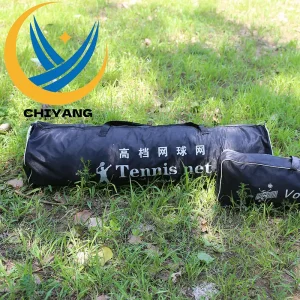
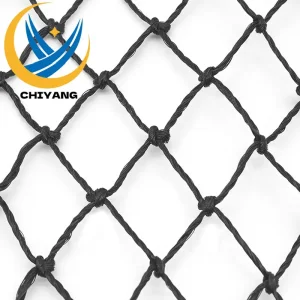
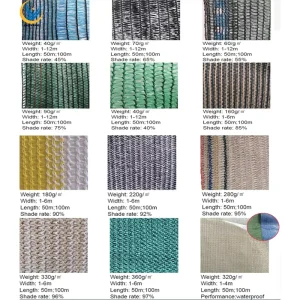
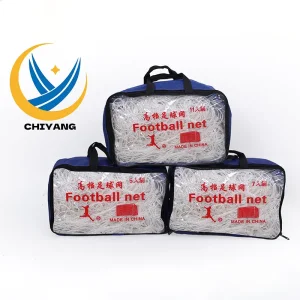
Discover our extended line of synthetic fiber shade screens, tennis and football sports nets, and heavy-duty structural safety solutions.
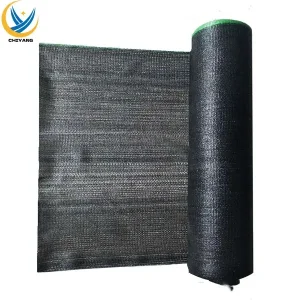
 Chiyang Net