In the grand wave of industrial manufacturing, there exists a company that has been deeply rooted in the polymer synthesis and warp-knitting mesh industry for over a decade, using time as its inkstone and craftsmanship as its pen, quietly writing its own glorious chapter. We are not just a manufacturer; we are a trusted global partner dedicated to creating value that exceeds expectations for our customers through leading technology, stable production capacity, and impeccable quality control systems.
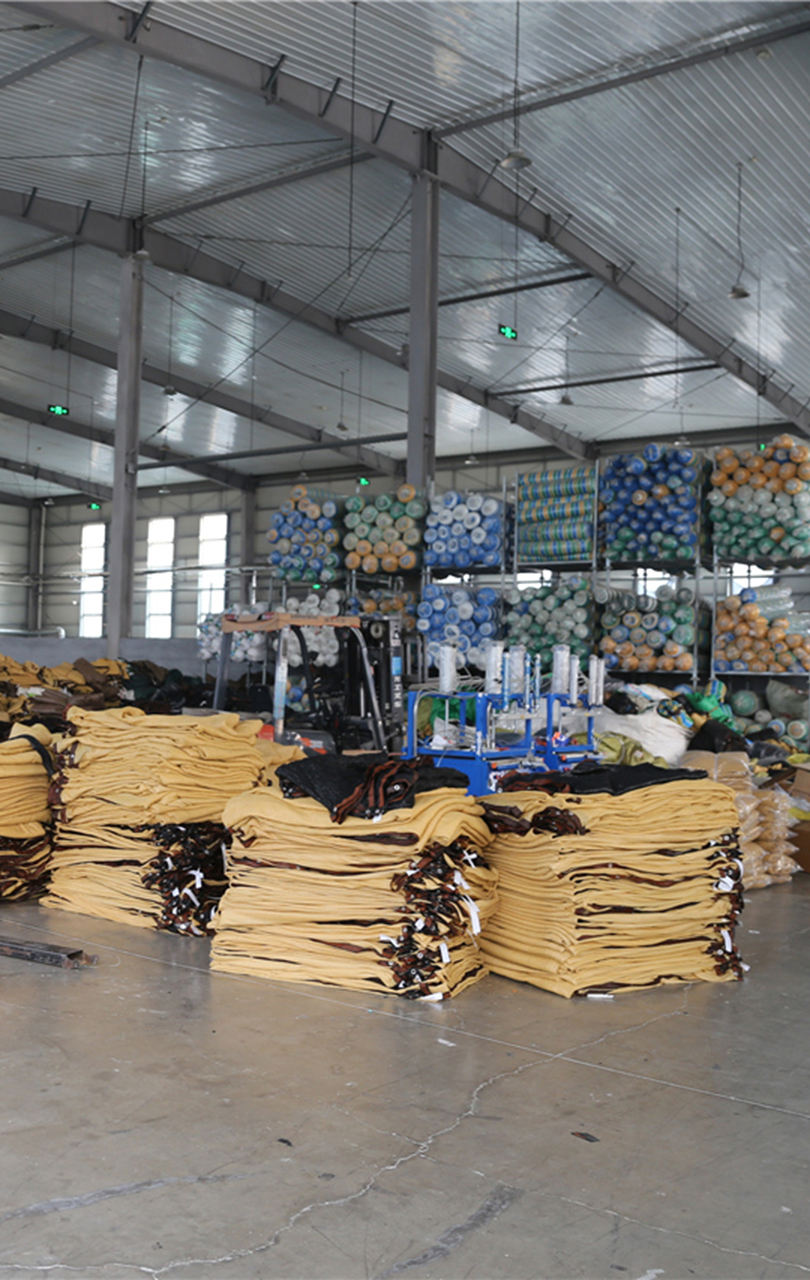
Strength comes from visible hardware investment and scale accumulation. We possess 16 advanced warp-knitting and extrusion machines, which serve as fine instruments forming the core of efficient and intelligent production. These machines ensure that every process—from raw material extrusion and yarn stretching to automated weaving and heat-setting—is precise and accurate, enhancing production efficiency while safeguarding product tensile strength, mesh uniformity, and dimensional consistency right from the source.
The operational lifespan of agricultural, industrial, and athletic netting depends fundamentally on polymer chemistry and photo-oxidative resistance. Exposure to solar ultraviolet radiation (specifically UV-A and UV-B spectra ranging from 280nm to 400nm) initiates free radical chain reactions that break down polymer backbones, resulting in embrittlement, color fading, and loss of tensile strength.
To counteract photo-degradation, Chinese leading factories utilize 100% Virgin High-Density Polyethylene (HDPE) combined with Hindered Amine Light Stabilizers (HALS) and thermal stabilizers. HALS acts as radical scavengers, continually regenerating themselves during light exposure to protect the matrix without altering light transmissivity profiles.
| Polymer Variant | Density (g/cm³) | Tensile Yield Strength (MPa) | UV Rating (HALS additive %) | Primary Application Matrix |
|---|---|---|---|---|
| 100% Virgin HDPE (Monofilament) | 0.95 - 0.96 | 25 - 32 | 3.0% - 5.0% UV-833 / HALS 770 | Agricultural Hail & Shade Nets, Heavy Security Mesh |
| HDPE Tape / Flat Yarn | 0.94 - 0.95 | 18 - 24 | 2.0% - 3.5% Light Stabilizer | Greenhouse Windbreak Netting, Privacy Screen Mats |
| High-Tenacity Nylon 6 (Polyamide) | 1.13 - 1.15 | 45 - 65 | Coated UV Protection Compound | Sports Impact Nets (Football, Basketball, Tennis) |
| Polyester (PET) Monofilament | 1.38 - 1.40 | 50 - 70 | Intrinsic Photostable Polymer | Aquacultural Netting, High-Tension Perimeter Safety |
The manufacturing architecture of protective net mats has undergone a radical transition. While traditional knotted netting relies on mechanical knots to fix mesh intersections, this creates localized stress concentration points that reduce overall breaking force by up to 30%. Furthermore, friction at knotted points accelerates wear during dynamic load applications.
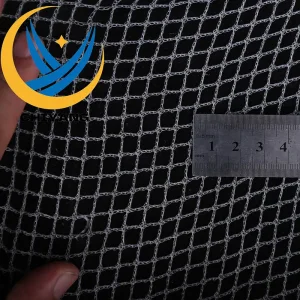
Advanced Chinese exporters utilize computerized Raschel knotless warp-knitting systems (manufactured by Karl Mayer and domestic precision machine partners). Knotless structures distribute load stress evenly across the continuous filament loops, yielding higher energy absorption during impacts—a critical parameter for construction safety protection nets and high-velocity ball capture nets.
Integrated inter-looping structural design. Zero friction points, uniform load dissipation, 25% lighter tare weight, and enhanced resistance to abrasive shear stress in severe outdoor environments.
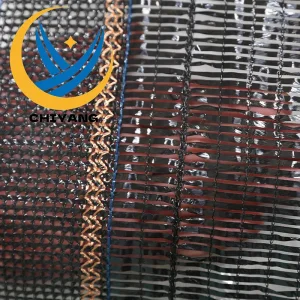
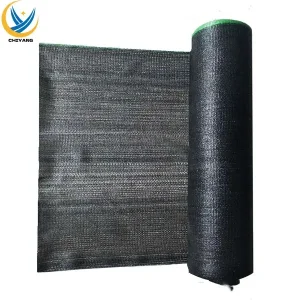
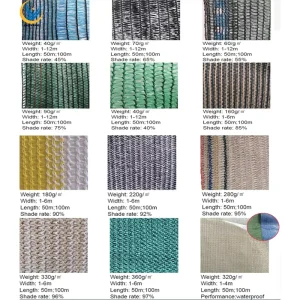
Engineered shade ratios ranging from 30% to 95%. Precise control over Photosynthetically Active Radiation (PAR) diffusion, lowering crop temperature while conserving soil moisture.
The net mat industry is expanding beyond simple mechanical barriers. The future technological roadmap developed by leading Chinese export hubs focuses on three core pillars:
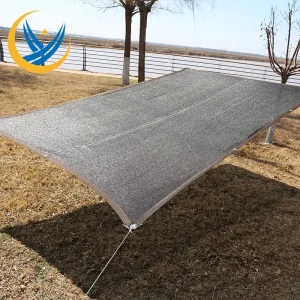
Agricultural shade nets, hail defense systems, and bird containment screens protect commercial crops against extreme weather events, avian pests, and solar scorching. Tailored spectrum filtration enhances photosynthesis efficiency for high-value berries, floriculture, and greenhouse production.
High-impact knotless safety protection nets compliant with international fall-arrest standards. Designed for high-rise building construction, bridge maintenance, and industrial scaffolding to catch falling debris and protect workers from vertical hazards.
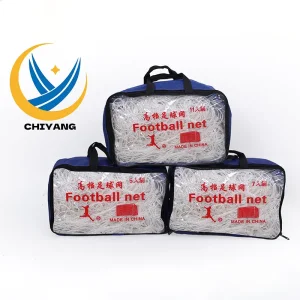
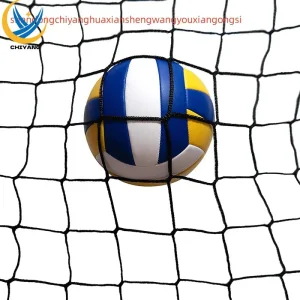
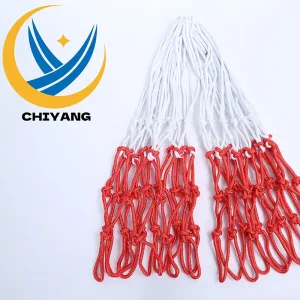
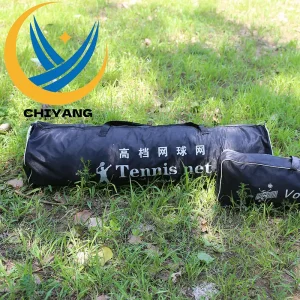
Professional-grade netting for football goals, tennis courts, basketball anti-tangle backboards, and badminton setups. Weatherproof synthetic nylon and polyester formulations resist humidity, fungus, UV degradation, and repetitive mechanical impacts.
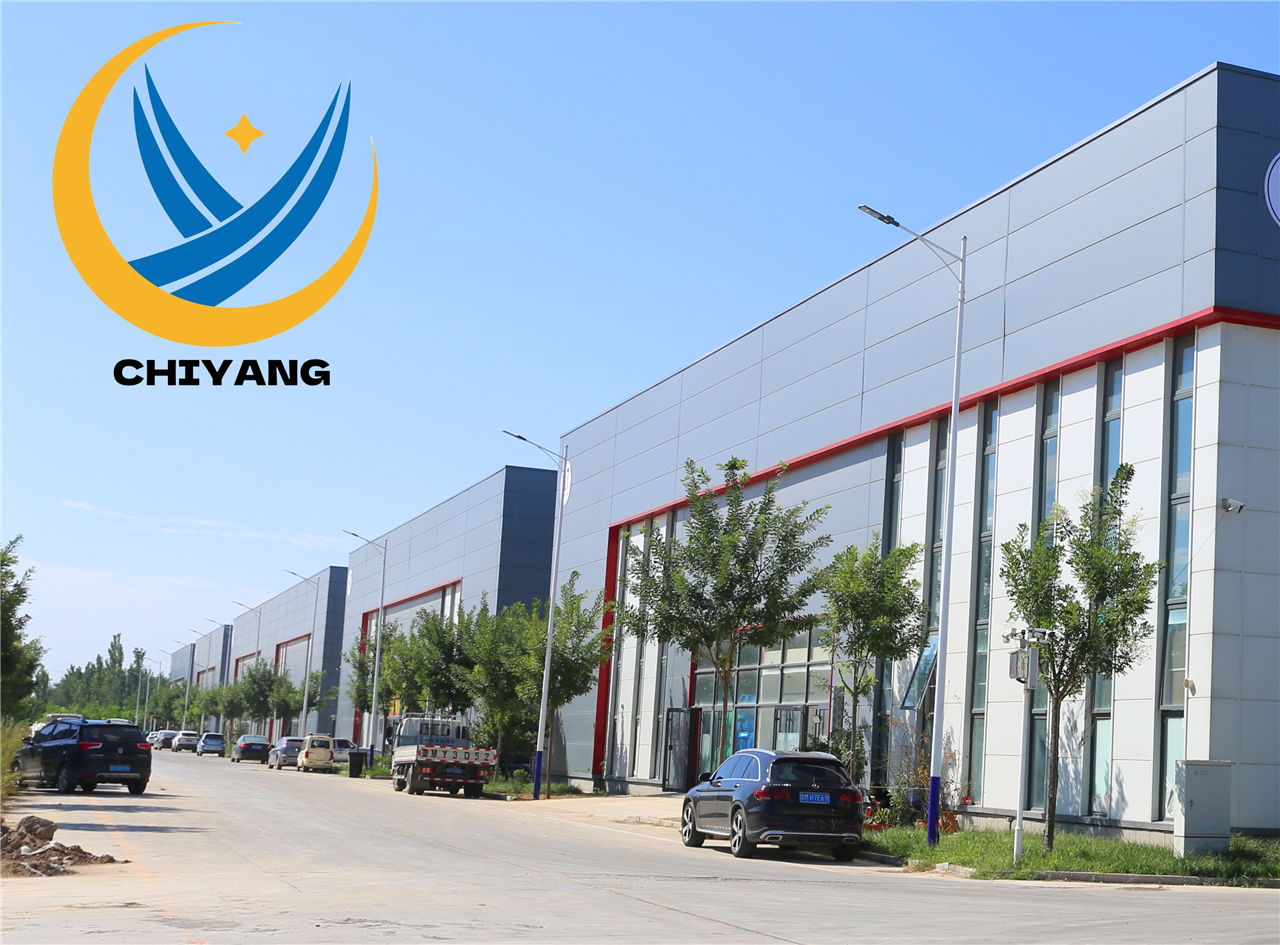
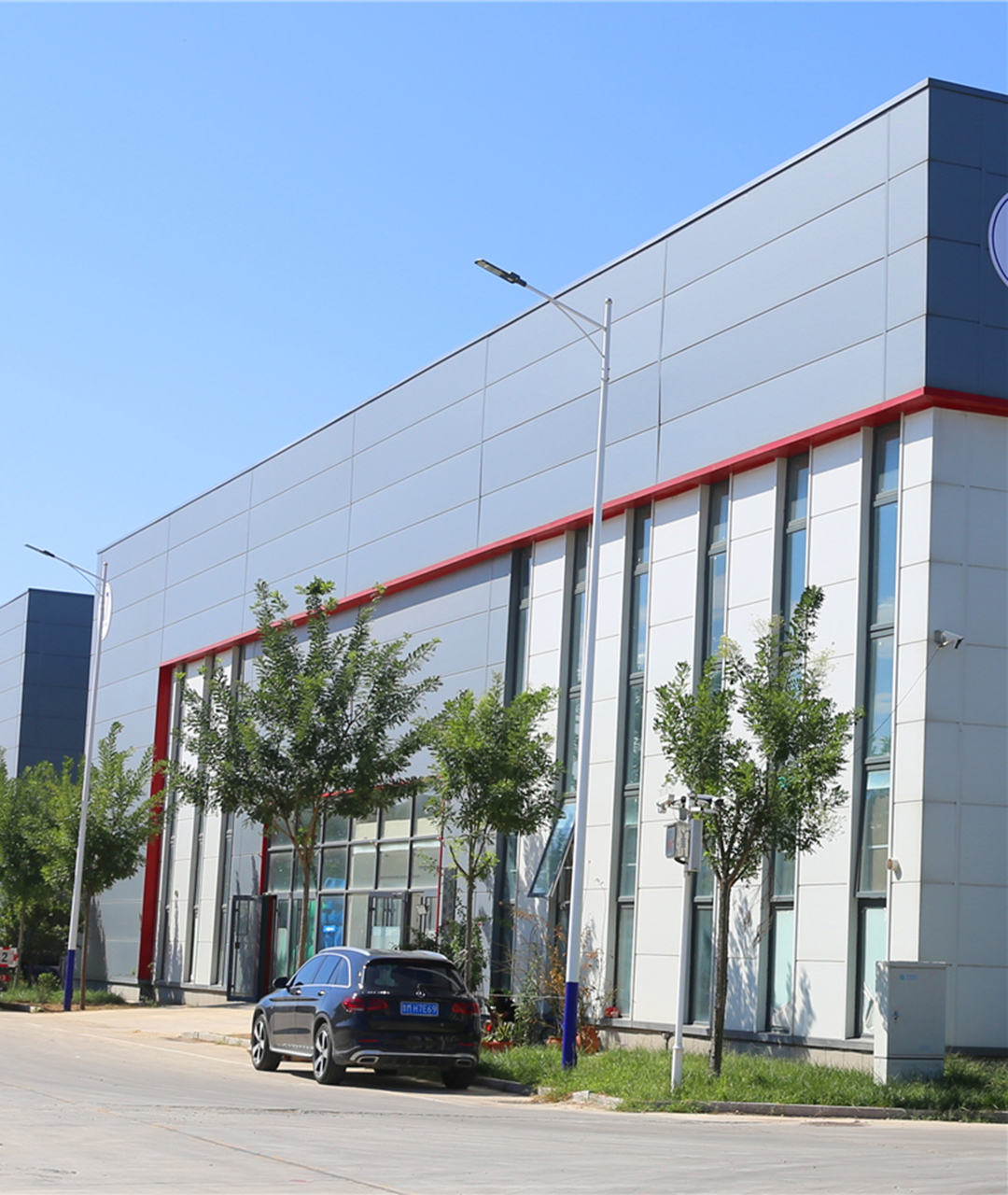
Located in a modern industrial zone covering 6,800 square meters, our facility houses a scientifically planned production workflow. This spacious layout supports seamless material transport, advanced laboratory quality testing, and continuous multi-line production output. With a monthly capacity reaching 800,000 square meters, we effortlessly manage large-scale municipal tenders, mega-agricultural installations, and commercial distribution orders.
Integrated supply chain ecosystems within Eastern China allow raw polymer resins (HDPE, PP, PE, Nylon) to be sourced, tested, masterbatched, extruded, knitted, finished, and container-packed with minimal turn-around time, cutting global lead times by up to 35% compared to regional competitors.
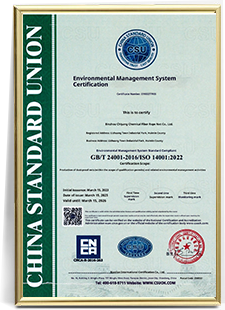
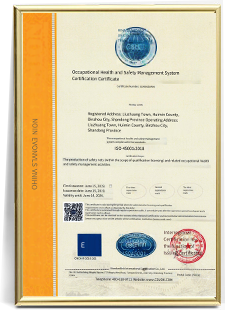
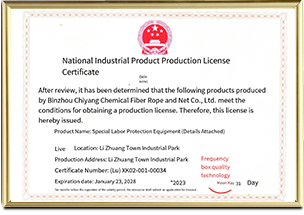
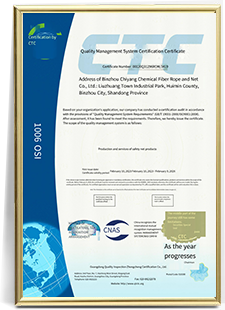
We understand that while production volume provides the framework, quality is the soul of international trade. Quality assurance is embedded directly into our DNA. From incoming virgin polymer resin verification, automated melt flow index (MFI) testing, and online process monitoring, to final tensile destruction testing—our complete QA system operates 24/7.
Grams per Square Meter (GSM) directly governs shade density, breaking strength, and wind drag coefficients. Buyers must ensure suppliers provide certified lab weight reports (ISO 3801) rather than unverified estimates.
Request QUV accelerated weathering test verification (ASTM G154 / ISO 4892-2). High-grade HDPE shade netting must retain over 80% of its initial tensile strength after 3,000 hours of continuous UV exposure.
For construction and indoor sports installations, check compliance with local fire safety codes, such as NFPA 701, DIN 4102-1 (B1 grade), or EN 13501-1.
Optimize ocean freight costs by requesting continuous-roll automated folding and hydraulic high-density bale packaging, maximizing 40ft High-Cube container volume efficiency by up to 28%.

 Chiyang Net