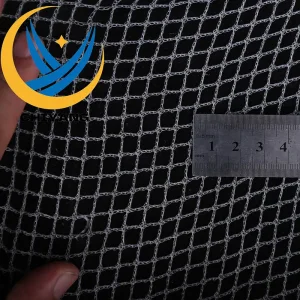
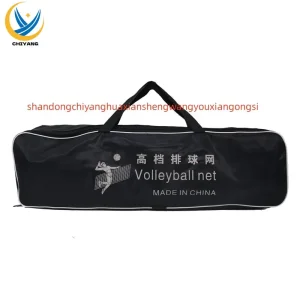
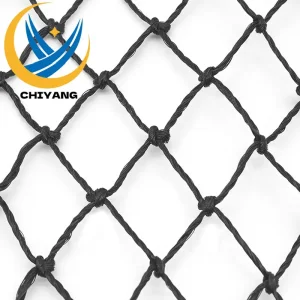
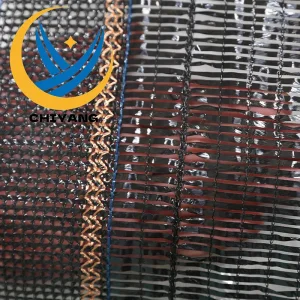
In an era where food security and industrial protection are paramount, the demand for high-performance Anti-Bird Netting has shifted from simple deterrents to precision-engineered protective systems. As a资深 SEO strategist, I observe that the market now prioritizes "Information Gain"—users aren't just looking for a product, they are looking for durability, UV resistance, and environmental integration.
Global agricultural and industrial enterprises are increasingly moving toward Industry 4.0 standards. Chinese factories have responded by adopting automated weaving, smart quality control, and eco-friendly HDPE materials, positioning themselves as the backbone of global supply chains. Our facilities utilize advanced synthetic fibers that balance weight, tensile strength, and ecological safety, meeting the stringent requirements of modern farming and architectural protection.
Our commitment to Supply Chain Resilience is built on 16 years of expertise. By integrating AI-driven monitoring in our production line, we ensure that every batch of Anti-Bird Netting meets international standards for tear resistance and long-term UV protection.
The core advantage lies in our Material Integrity. Chinese manufacturers use high-density, UV-stabilized resins that resist degradation even under extreme solar exposure, ensuring a 5+ year lifespan.
We provide localized solutions—adjusting mesh density, tensile strength, and color specifications to match local ecological conditions, whether for temperate orchards or harsh tropical agricultural settings.
 Chiyang Net