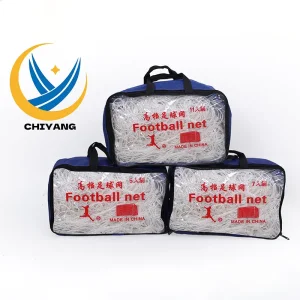
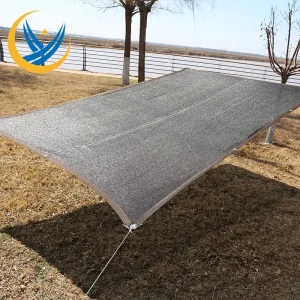
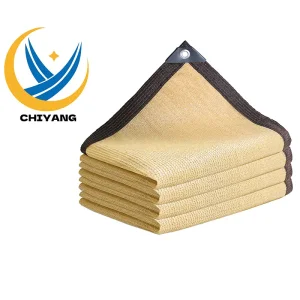
Explore our primary manufacturing series engineered for high-durability protection, safety containment, and pest exclusion.
Analysis of global structural bird exclusion standards, material transitions, and lifecycle cost economics in industrial applications.
As modern infrastructure, urban architecture, commercial agriculture, and industrial complexes expand, pest bird management has evolved from simple short-term deterrence into a structural engineering requirement. Historically, facilities relied on synthetic polymer netting—such as extruded polypropylene or knitted high-density polyethylene (HDPE)—for bird control. However, extended exposure to extreme solar radiation (UV degradation), severe wind loads, thermal cycling, and physical damage from larger avian species or rodents has exposed the lifecycle vulnerabilities of non-metallic solutions.
Today, global procurement vectors are decisively shifting toward Stainless Steel Metal Bird Netting and high-tensile wire mesh systems. Leading engineering specs now mandate marine-grade stainless steel cable netting (AISI 304, 316, and 316L) to ensure zero-maintenance operation over 20+ year lifespans. This whitepaper section details the key technological drivers behind this global transition, examining how China's manufacturing sector has innovated to deliver cost-optimized, ultra-durable metal netting systems worldwide.
Unlike synthetic polymers that suffer photolytic degradation under UV radiation, stainless steel wire rope mesh retains 100% tensile strength regardless of solar exposure, acid rain, or salt-spray marine environments.
Manufactured using 7x7 or 7x19 stainless steel wire strand constructions, metal bird nets provide breaking loads exceeding several kilonewtons, capable of withstanding heavy impact, snow loads, and storm-force winds.
Industrial facilities, airports, and commercial roofs demand flame-retardant materials. Stainless steel metal netting is non-combustible (Class A1 fire rating), reducing facility insurance liability and structural fire hazard risks.
| Performance Metric | Stainless Steel Wire Rope Mesh (Metal) | Knitted HDPE / PE Nets | Extruded Polypropylene Nets |
|---|---|---|---|
| Design Service Life | 25 - 50+ Years | 3 - 7 Years | 1 - 3 Years |
| UV Radiation Resistance | 100% Immunity (Zero Degradation) | Moderate (Degrades via UV inhibitors loss) | Low (Brittle failure within 24 months) |
| Tensile Strength / Break Load | Extremely High (Up to 8.5 kN/m²) | Low to Moderate | Low |
| Fire Rating | Class A1 (Non-Combustible) | Combustible (Melts at high temp) | Highly Combustible |
| Maintenance Requirement | Near Zero Maintenance | Frequent patching & retensioning | Frequent complete replacement |
| Total Cost of Ownership (TCO) | Lowest (High initial ROI over 10+ yrs) | High (Cumulative replacement labor) | Very High (Short life + labor costs) |
Understanding buyer intent: How major commercial, industrial, and municipal sectors utilize metal bird barrier systems.
Nesting birds in logistics hubs cause significant inventory damage through droppings, creating biohazard risks and violating health standards (e.g., FDA, HACCP). Global procurement managers specify custom stainless steel mesh panels to enclose open structural roof trusses, loading docks, and canopy eaves permanently.
Pigeons and smaller birds frequently nest under commercial rooftop solar photovoltaic (PV) arrays, causing thermal hotspots, wiring damage, and efficiency losses. Weather-resistant stainless steel wire mesh screens are retrofitted around array perimeters to prevent bird entry without restricting cooling airflow.
Architects demand invisible, aesthetically neutral bird deterrence solutions. Black oxide finished stainless steel web netting provides over 90% optical transparency, protecting historic masonry, ledges, and modern glass facades from pest damage without compromising architectural visual appeal.
High-value agricultural operations facing severe heavy bird pressure deploy high-span steel wire netting over overhead support cables. Metal mesh prevents bird predation while withstanding hail storms and high ambient wind pressures that tear standard plastic netting.
Leveraging over a decade of deep manufacturing heritage, automated weaving technology, and rigorous quality control to back global engineering projects.
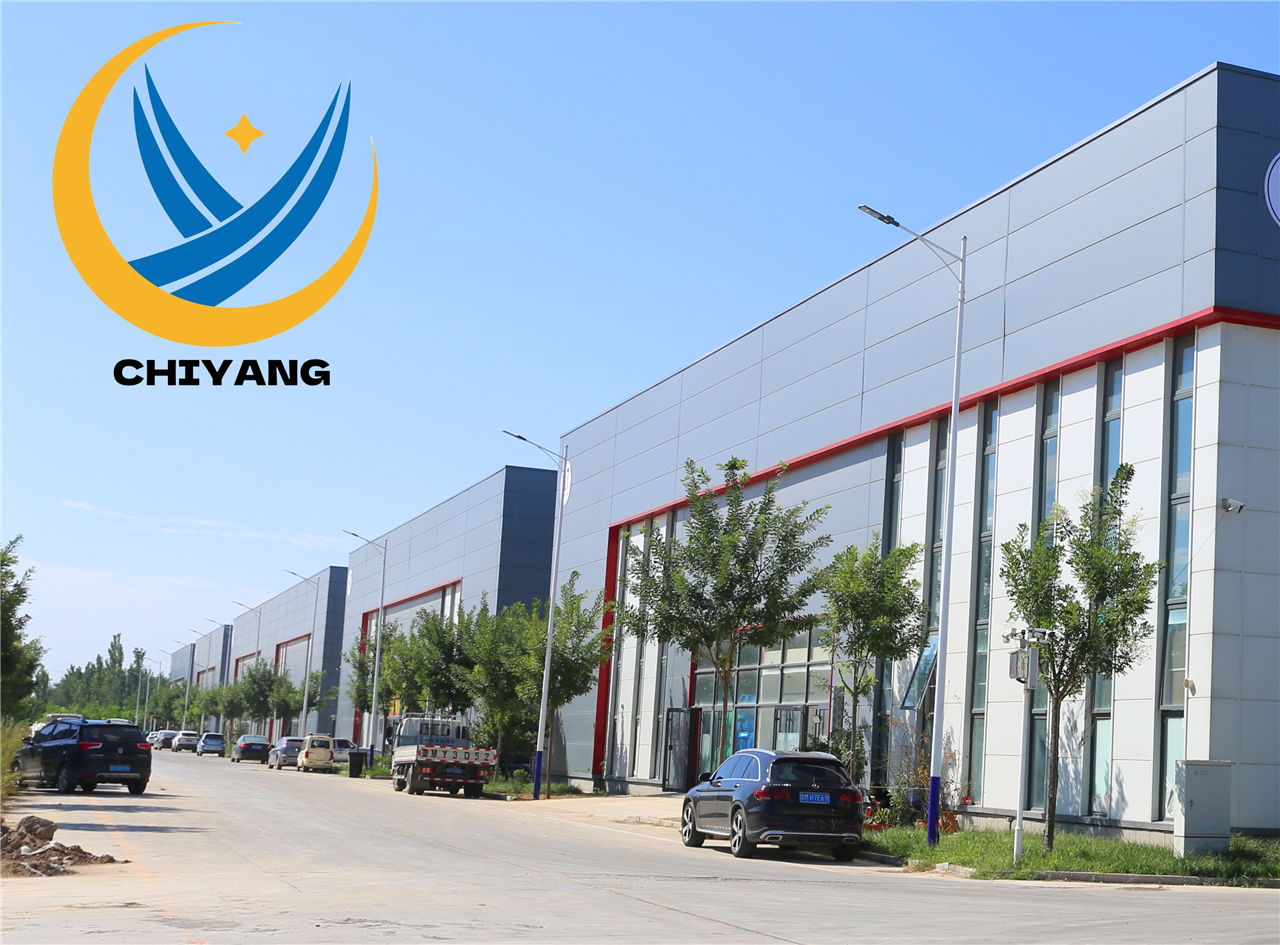
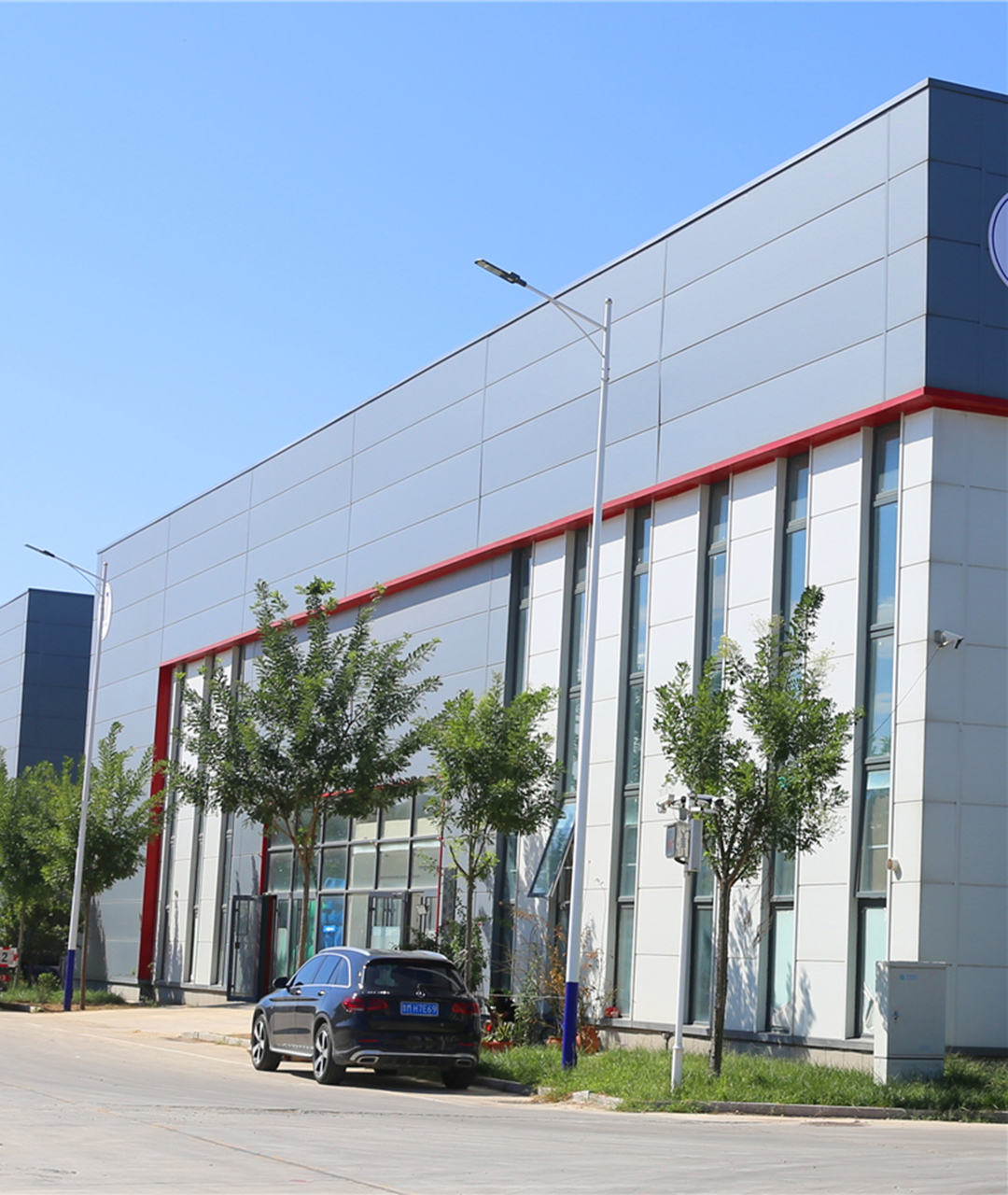
Strength comes from visible hardware investment and scale accumulation. We possess 16 advanced automatic weaving machines, which serve as fine instruments forming the core of efficient and intelligent production. These machines ensure that every process from raw metal wire materials to finished woven mesh is precise and accurate, enhancing production efficiency while safeguarding product accuracy and consistency from the source.
Located in a modern factory covering 6,800 square meters, we have built a scientifically planned and smoothly flowing production base. This spacious facility provides solid support for material flow, technology research and development, and quality control. On this foundation, we achieve an outstanding monthly production capacity of up to 800,000 square meters. Regardless of order size or tight deadlines, we ensure that products are delivered to global customers steadily and on time.
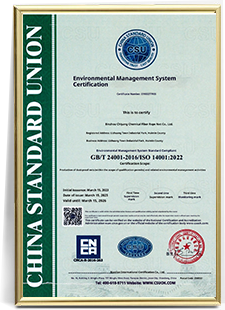
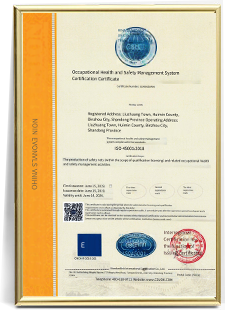
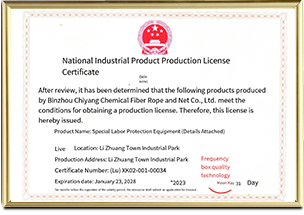
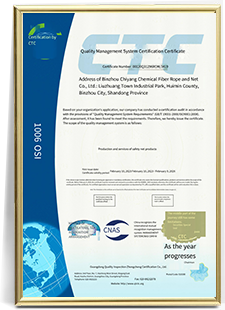
We understand that while output is the skeleton, quality is the soul. Comprehensive quality inspection is embedded in our company’s DNA. From raw wire chemistry verification to weaving tension control and final mesh border crimping checks, every square meter of product undergoes rigorous testing.
Standard and custom configuration parameters for B2B global importers, structural engineers, and contractors.
AISI 304: Standard interior/inland outdoor bird netting applications.
AISI 316 / 316L: Marine-grade stainless steel with Molybdenum addition, providing superior pitting corrosion resistance in coastal or acidic industrial environments.
Wire Rope Structures: 7x7 (Flexible & smooth) or 7x19 (Extra flexible for large spans).
Standard Cable Diameters: 1.2mm, 1.5mm, 2.0mm, 2.4mm, 3.2mm tailored to target species and physical impact risks.
20mm x 20mm (0.75"): Small birds (sparrows, swallows).
28mm x 28mm (1.1"): Medium birds (starlings, mynas).
50mm x 50mm (2.0"): Large birds (pigeons, seagulls, crows).
Types: Inter-woven mesh or Stainless steel ferruled mesh.
Finishes: Natural bright stainless steel, matte silver, black oxide coating, or custom color vinyl coatings.
Real-world deployment practices designed to meet strict municipal building regulations and bio-security protocols.
Birds nesting inside aircraft hangars present severe bird strike risks during taxiing and jet engine tests, while droppings corrode delicate aviation electronics and airframe paint. Installing full-overhead suspended metal netting systems creates an impenetrable horizontal barrier across large open ceiling spans.
Under-bridge girders and highway overpasses attract thousands of roosting pigeons. U-bolt clamped stainless steel mesh enclosures prevent roosting while allowing structural inspectors complete visual inspection access and natural ventilation without trapping debris.
Modern landscape zoos demand ultra-large span walkthrough aviaries. Hand-woven stainless steel cable netting provides the flexible, non-abrasive containment required to protect sensitive plumage, withstand animal contact, and withstand heavy snow accumulative load.
Direct answers to common procurement, engineering, and installation queries regarding China metal bird netting manufacturing.
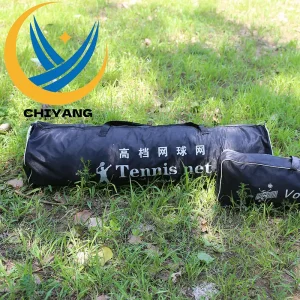
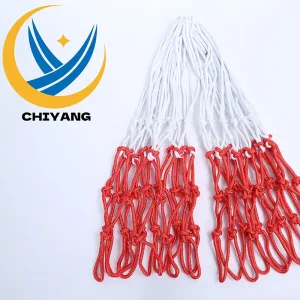
Explore our full OEM/ODM manufacturing range for agriculture, sports facilities, safety protection, and environmental screening.
We sincerely look forward to joining hands with you, using our expertise and focus to safeguard your projects and create an even more brilliant tomorrow together.
 Chiyang Net