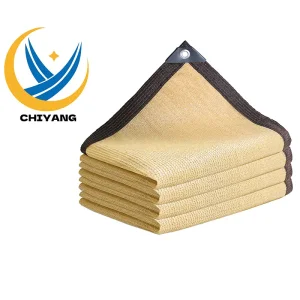
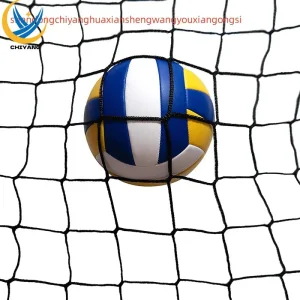
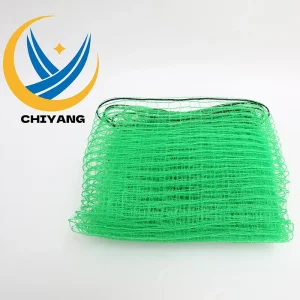
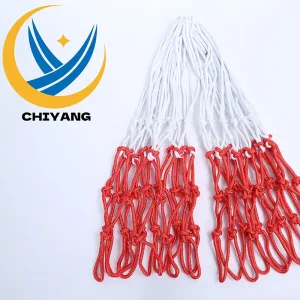
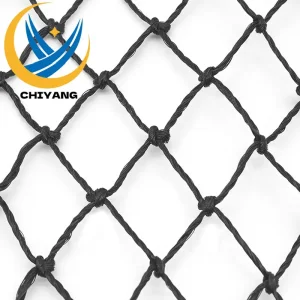
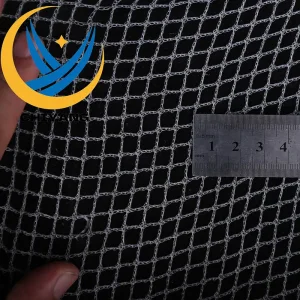
Explore our export-grade netting products manufactured with high-tensile HDPE and advanced UV-stabilized polymer technologies.
A Comprehensive Analysis of Material Engineering, Spatial Dynamics, and Bio-Exclusion Architecture
In modern agricultural production, free-range poultry farming, intensive aquaculture, and eco-sensitive infrastructure facilities, avian predation represents a multi-billion-dollar annual loss vector. Predatory birds—specifically raptors such as Accipiters (hawks), Falcons, Buteos, and Eagles—possess extreme visual acuity, steep diving velocities exceeding 120 km/h, and sharp talons capable of tearing low-grade polymer netting. Implementing an effective, long-lasting barrier system requires sophisticated engineering that balances tensile burst resistance, solar ultraviolet stabilization, mesh aperture calculation, and minimal wind-load resistance.
As premier China hawk netting exporters and direct manufacturing facilities, we deliver structural containment systems engineered to mitigate apex predator strikes while preserving structural integrity under extreme climate conditions. This technical document evaluates the industrial evolution, polymer chemistry, load-bearing physics, and global procurement paradigms associated with heavy-duty bird and hawk barrier netting.
Raptor protection netting does not function merely as a visual curtain; it operates as a kinetic energy dissipation membrane. When a red-tailed hawk or peregrine falcon initiates a diving strike on free-range poultry or fish raceways, the net must absorb substantial localized impact energy within milliseconds. Standard extrusion netting suffers from point-impact sheer failure. In contrast, our high-density polyethylene (HDPE) warp-knitted knotless and specialized knotted structural netting utilizes a matrix of micro-filaments designed to flex elastomerically upon impact, distributing force laterally across neighboring structural cells.
Key parameters determining netting efficiency include:
Transitioning from Conventional Physical Barriers to Advanced Polymer Science
Global regulatory bodies (including US Fish & Wildlife Service and EU Habitats Directive) mandate non-lethal predator control. High-visibility UV-treated netting provides a absolute biological barrier without causing bird mortality or legal compliance exposure for enterprise operators.
Degradation from photo-oxidation under intense sunlight is the primary failure mode of exterior netting. Modern manufacturing incorporates Hindered Amine Light Stabilizers (HALS) directly into the HDPE melt, extending service lifespans from 12 months to over 5–10 years in tropical and high-UV solar zones.
Modern commercial operations require vast open fields covered by continuous canopy systems. Industry trends favor lightweight, ultra-high strength-to-weight ratio netting capable of spanning cable networks up to 100 meters without intermediate support columns.
Selecting the correct polymer matrix is essential for structural longevity. The following technical matrix highlights why Virgin HDPE with HALS additive has become the gold standard for global hawk and predator netting exporters.
| Performance Metric | Virgin HDPE (HALS UV Inhibited) | Nylon (Polyamide 6,6) | Standard Polypropylene (PP) |
|---|---|---|---|
| Tensile Strength (MPa) | 400 – 700 MPa (High Tenacity) | 600 – 850 MPa (Very High) | 250 – 400 MPa (Moderate) |
| Water Absorption | < 0.01% (Hydrophobic / Zero Weight Gain) | 4.0% – 8.0% (Swells & Loses Strength) | < 0.05% (Hydrophobic) |
| UV Degradation Resistance | Exceptional (5–10 Years under 160-200 kLy) | Moderate to Poor (Requires Coating) | Poor (Rapid Photo-Oxidation) |
| Specific Gravity (g/cm³) | 0.95 (Floats on Water, Ultra Lightweight) | 1.14 (Sinks, Heavy when Wet) | 0.91 (Lightweight) |
| Chemical Resistance | Immune to Acid Rain, Guano & Chemicals | Vulnerable to Acids & Guano Decay | Good Resistance |
Tailored Technical Implementations Across High-Risk Agricultural & Industrial Sectors
Free-range layer hens, broiler operations, and gamebird reserves face severe pressure from raptors. Our overhead net solutions utilize high-tensile 50mm square mesh configured with heavy perimeter steel wire edging. This creates an impenetrable physical boundary while allowing machinery, automated feed lines, and natural airflow to operate uninterrupted below.
High-density fish farms (trout, salmon, tilapia) attract diving birds such as osprey, eagles, and cormorants. Our hydrophobic, non-absorbent HDPE hawk netting resists rot, mildew, and salt-spray degradation, retaining 98% of its tensile strength even when exposed continuously to marine environments and high humidity.
Birds nesting and perching on photovoltaic arrays cause severe hot-spot damage, dropping accumulation, and electrical shorts. Heavy-duty knotless flame-retardant anti-bird screens act as physical barriers that protect millions of dollars in renewable energy assets without obstructing solar irradiance or ventilation.
Installing large-scale hawk netting requires rigorous mechanical tensioning. A typical installation scheme incorporates a 3D grid layout:
Why Tier-1 Global Procurement Officers Partner Directly with Our Chinese Manufacturing Base
Sourcing commercial-grade hawk netting directly from top-tier Chinese manufacturers grants international buyers unprecedented supply chain agility, cost optimization, and technical customization. However, establishing an enterprise-level OEM/ODM contract requires rigorous quality assurance protocols to guarantee product integrity under extreme field environments.
Every batch of netting produced in our 6,800m² manufacturing facility passes through a strict 4-stage inspection workflow:
Testing incoming 100% virgin High-Density Polyethylene granules to verify polymer density (≥ 0.954 g/cm³) and consistent melt flow index (MFI), ensuring uniform extrusion elasticity.
Subjecting fiber samples to intense Xenon arc lamps and QUV accelerated weathering chambers to simulate 5,000+ hours of concentrated UV radiation exposure, guaranteeing retention of ≥ 80% original tensile strength.
Utilizing computerized electronic tensile testers to evaluate single-strand breaking force, node slip resistance, and burst pressure (ASTM D3786), verifying performance against violent impact loads.
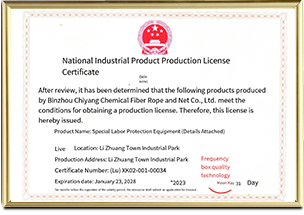
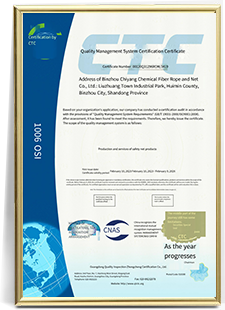
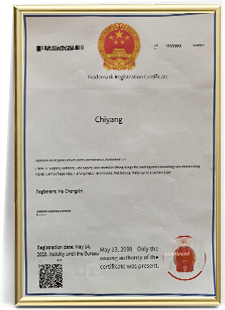
Accumulating Strength, Crafting Excellence: Setting Industry Standards with Superior Quality
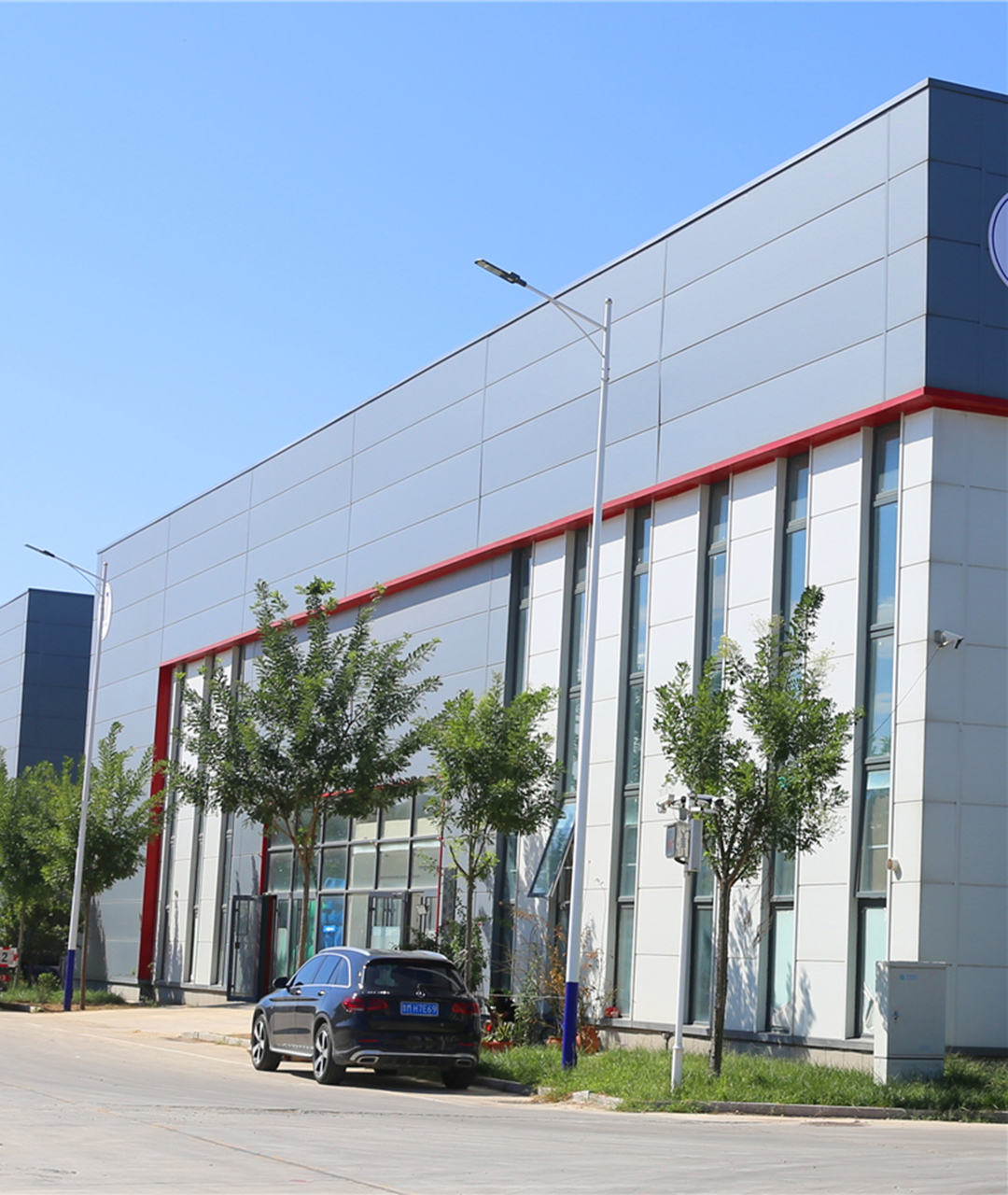
In the grand wave of industrial manufacturing, there exists a company that has been deeply rooted in the netting industry for over 16 years. Using time as its inkstone and craftsmanship as its pen, we quietly write our own glorious chapter. We are not just a supplier; we are a trusted international partner dedicated to creating value that exceeds expectations for our customers through leading technology, stable production capacity, and impeccable quality control.
Strength comes from visible hardware investment and scale accumulation. We possess 16 advanced high-speed warp knitting machines, which serve as fine instruments forming the core of efficient and intelligent production. These machines ensure that every process from raw polymer extrusions to finished custom netting rolls is precise, enhancing production efficiency while safeguarding dimensional accuracy and mesh consistency from the source.
We understand that while output is the skeleton, quality is the soul. Therefore, comprehensive quality inspection is not just a slogan but an action guideline embedded in our company’s DNA.
From incoming material inspection, process patrol inspection to final product inspection, we have established a comprehensive and multi-dimensional quality control system. Every square meter of product undergoes rigorous testing to ensure that its physical properties, appearance dimensions, and various technical indicators meet or even exceed international standards. What we deliver is not just a netting roll, but a heavy promise and peace of mind.
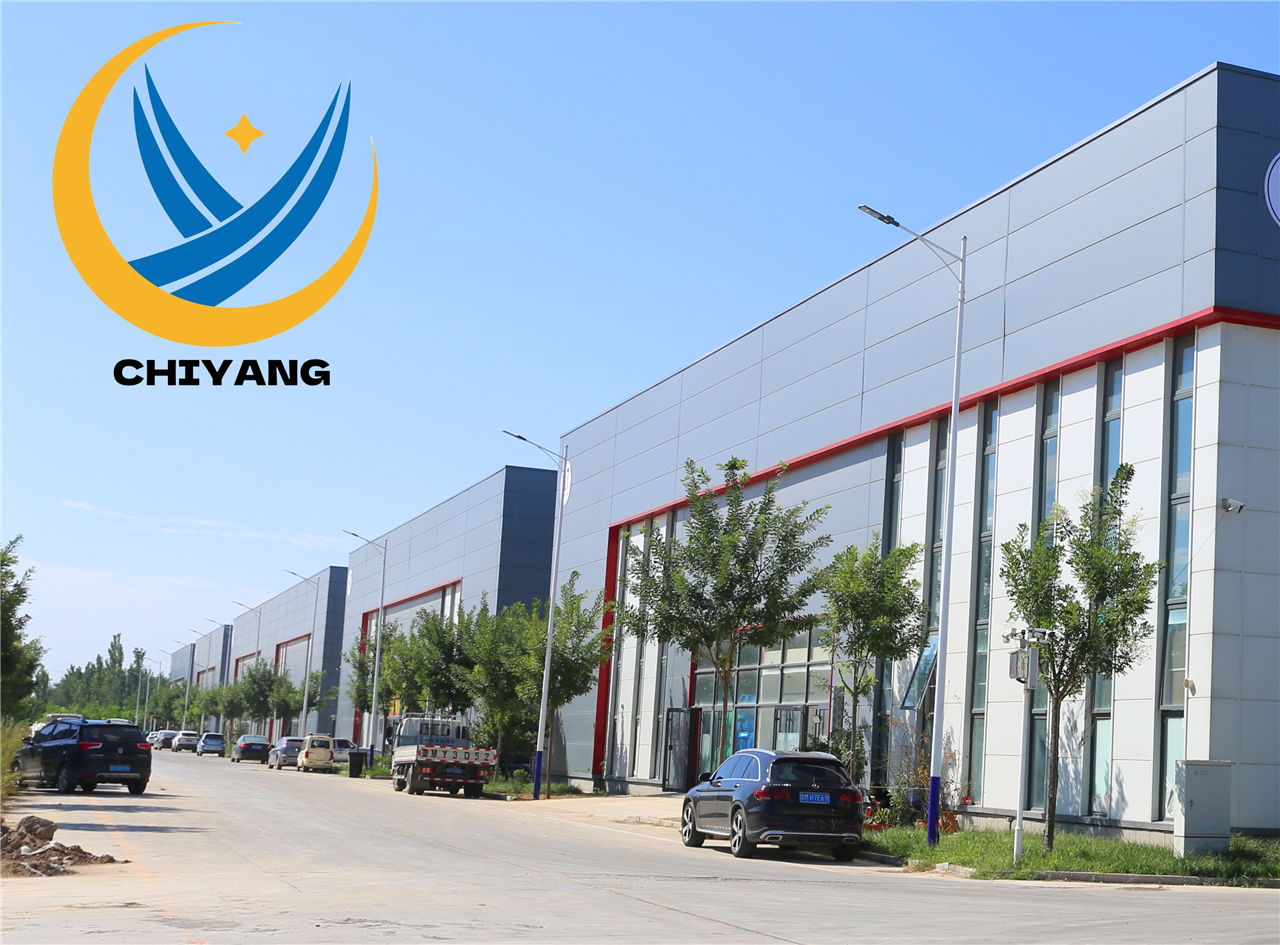
We sincerely look forward to joining hands with global clients, using our expertise to safeguard your projects.
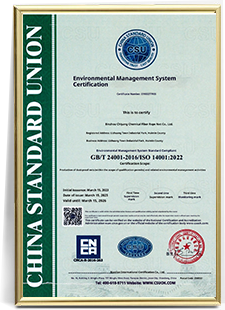
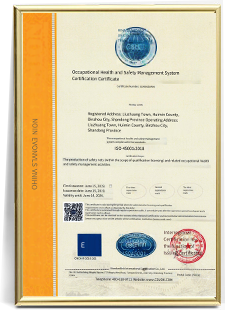
Adhering to Global Standards for Environmental Stewardship and Export Safety
As a responsible global supplier, our production processes align with international environmental directives. All polymer products comply with EU REACH (EC 1907/2006) regulations and RoHS standards, confirming the total absence of hazardous heavy metals, phthalates, or toxic polycyclic aromatic hydrocarbons (PAHs).
Unlike composite materials that are difficult to recycle, our pure High-Density Polyethylene netting is 100% recyclable (RIC #2). At the end of its multi-year operational lifespan, the netting can be re-pelletized into industrial raw materials, minimizing agricultural plastic waste and contributing to global carbon footprint reduction goals.
Rigorous management systems covering order processing, yarn extrusion, weaving, quality testing, packaging, and international export logistics.
Export-ready packaging featuring vacuum-sealed protective wrapping, reinforced wooden pallets, custom barcode labeling, and optimized container loading schemes.
Seamless CIF, FOB, DDP, and DAP delivery logistics supporting major global ports across North America, Europe, Australia, the Middle East, and South America.
Pioneering Smart Sensor Integration and Bio-Based High-Performance Polymers
Integrating conductive micro-filaments directly into the netting grid to create smart perimeter barriers. Real-time changes in tension signal physical breaches, heavy snow accumulation, or large raptor impact directly to agricultural management apps.
Developing proprietary masterbatch additives that reflect light in UV spectra visible only to avian predators. This creates an optical visual fence that deters birds before they even approach physical contact distance.
Transitioning raw polymer synthesis toward sugarcane-derived bio-ethylene feedstock, achieving zero net carbon emissions during polymer manufacturing while maintaining identical tensile and UV life expectancy.
Expert Answers to Common Procurement, Installation, and Material Inquiries
For large birds of prey like red-tailed hawks, eagles, and large falcons, a mesh size of 50mm (2 inches) is ideal. It prevents the raptor from pushing its body or feet through while maintaining low weight and low wind drag. For smaller hawks (like Cooper's hawks) or small wild birds, a 30mm to 40mm mesh size is recommended.
Our premium Virgin HDPE netting formulated with Hindered Amine Light Stabilizers (HALS) is engineered for 5 to 10 years of continuous outdoor service, even in harsh UV environments such as Arizona, the Middle East, or Queensland, Australia.
Knotted netting provides high localized knot-holding strength, suitable for heavy structural tensioning. Knotless netting (Raschel warp-knitted) distributes abrasion smoothly, is lighter per square meter, offers lower wind drag, and eliminates knot wear, making it extremely durable for overhead horizontal canopies.
Yes. As a direct manufacturer, we offer complete OEM/ODM options. We can produce custom seamless panel sizes (e.g., 10m x 100m, 20m x 50m), add heavy selvedge edges, reinforced rope borders, and provide colors including Black, Dark Green, White, and Stone Gray.
HDPE netting has smooth low-friction surfaces that allow snow to shed rapidly under mild vibration. For regions prone to heavy winter snowfall, we recommend using a diamond mesh pattern installed at a slight angle or selecting our dual-purpose anti-hail/anti-bird combination mesh.
Discover our comprehensive range of agricultural, safety, and sports protective netting options.
 Chiyang Net