Explore our factory-direct, UV-stabilized heavy-duty mesh products engineered for global agricultural, safety, and architectural applications.
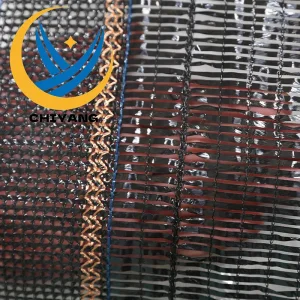
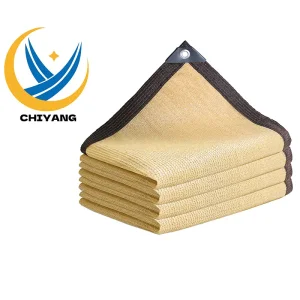
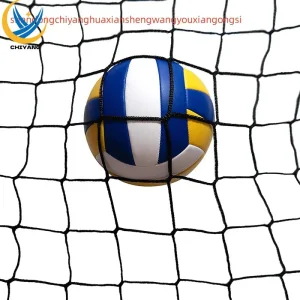
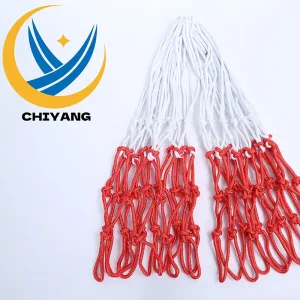
In modern agricultural, civil architectural, and industrial logistics sectors, non-lethal avian control systems have transitioned from passive structural additions to vital operational infrastructure. Bird screen mesh—engineered from High-Density Polyethylene (HDPE), Polyamide (Nylon), or Stainless Steel alloys—serves as the primary barrier against crop destruction, structural bio-fouling, HVAC intake blockages, and avian vector disease transmission.
As global sustainability mandates tighten, industries are rapidly moving away from chemical repellents and hazardous eradication methods toward high-tensile physical mesh containment. Modern bird netting must withstand extreme environmental stressors: intense photo-oxidative UV radiation, thermal expansion cycles from -40°C to +80°C, high wind loads, and chemical exposure from atmospheric pollutants and agricultural sprays.
China's manufacturing sector has emerged as the definitive global powerhouse for bird screen mesh production. Leveraging integrated petrochemical supply chains, proprietary warp-knitting technology, advanced extruded monofilament engineering, and immense scale economies, Chinese factories supply over 65% of the worldwide demand for agricultural and industrial netting products.
Commercial orchards, vineyards, and berry farms lose billions annually to bird depredation. Precision mesh apertures prevent avian entry while maintaining optimal micro-climatic light transmittance and airflow.
Nesting in commercial roof trusses and HVAC intakes causes severe equipment failure and sanitary violations. Industrial bird screen netting seals building envelopes without hindering airflow.
Global enterprise buyers require certified non-lethal, eco-friendly exclusion systems. High-visibility UV-treated mesh deters birds visually without causing entanglements or injury.
Selecting the correct mesh involves evaluating polymer denier, tensile breaking force, UV stabilization packages, and weave geometry tailored to target bird species and environmental exposure.
| Polymer / Material | Tensile Strength (MPa) | UV Resistance (KLY Rating) | Thermal Range (°C) | Primary Target Species | Ideal Application Scenario |
|---|---|---|---|---|---|
| 100% Virgin HDPE Monofilament | 65 - 85 MPa | 400 - 800 KLY (5-8 Yrs) | -40°C to +80°C | Pigeons, Starlings, Sparrows | Agricultural Orchards, Vineyards, Shade Structures |
| High-Tenacity Nylon (PA6 / PA66) | 90 - 110 MPa | 200 - 400 KLY (3-5 Yrs) | -30°C to +90°C | Seagulls, Crows, Large Fowl | Building Facades, Construction Safety, Sports Enclosures |
| Polyester Oxford (PET Mesh) | 70 - 95 MPa | 350 - 600 KLY (4-6 Yrs) | -40°C to +100°C | Medium / Small Birds | Architectural Screens, Temporary Enclosures, Barrier Nets |
| Stainless Steel (SUS 304 / 316) | 520 - 750 MPa | Permanent (Infinite UV) | -100°C to +400°C | All Avian & Rodent Species | HVAC Air Intakes, Heavy Industrial Chimneys, Architectural Integrity |
Choosing the precise mesh aperture size (distance between knots or joins) is critical for structural efficiency and preventing bird trapping:
Raw polyolefins rapidly degrade under solar UV-A and UV-B radiation, leading to chain scission and brittle failure. Premium Chinese manufacturers incorporate advanced HALS additive masterbatches (such as Chimassorb 944 / Tinuvin 770) during initial resin extrusion.
This molecular-level stabilization quenches free radicals generated by photo-oxidation, guaranteeing that 100% virgin HDPE netting retains over 80% of its original break-load tensile strength after 5 to 8 years of continuous high-radiation field exposure.
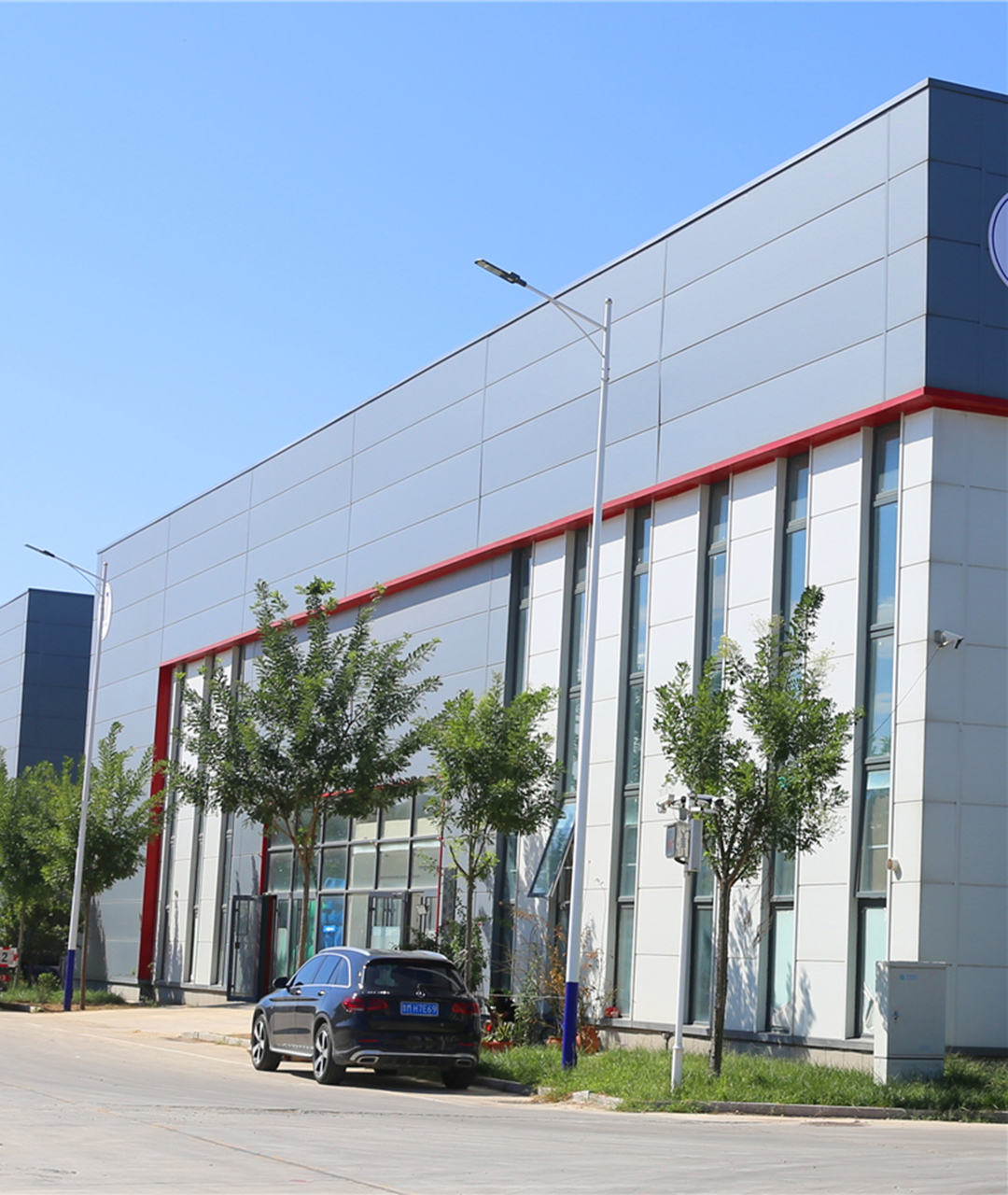
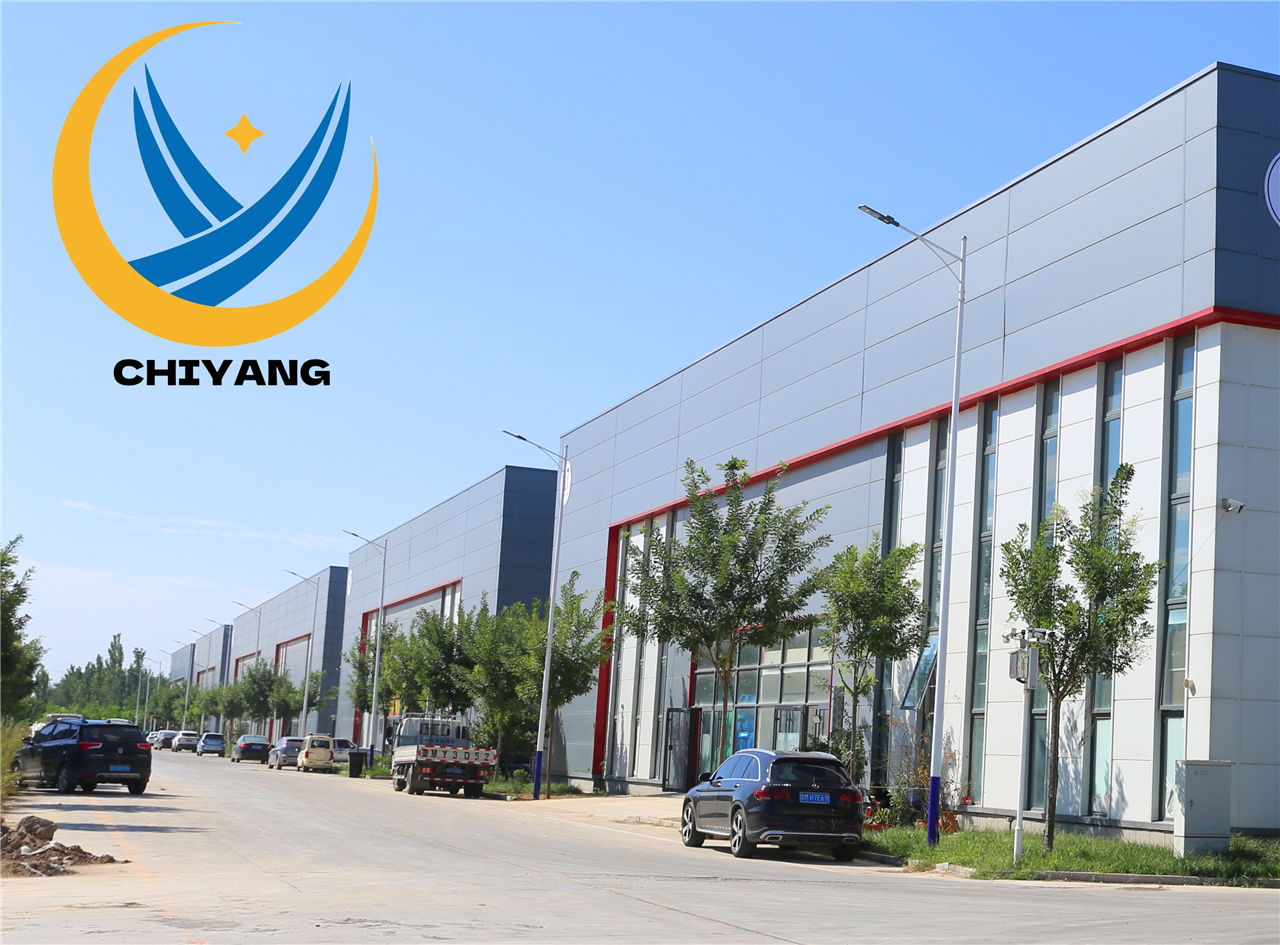
Strength comes from visible hardware investment and scale accumulation. Our modern manufacturing base in China guarantees high throughput, structural precision, and rapid global fulfillment.
Accumulating Strength, Crafting Excellence: Setting Industry Standards with Superior Quality. In the grand wave of industrial manufacturing, there exists a company that has been deeply rooted in the industry for over a decade, using time as its inkstone and craftsmanship as its pen, quietly writing its own glorious chapter.
We are not just a manufacturer; we are a trusted partner dedicated to creating value that exceeds expectations for our customers through leading technology, stable production capacity, and impeccable quality. We possess 16 advanced machines, which serve as fine instruments forming the core of efficient and intelligent production. These machines ensure that every process from raw materials to finished products is precise and accurate, enhancing production efficiency while safeguarding product accuracy and consistency from the source.
Located in a modern factory covering 6,800 square meters, we have built a scientifically planned and smoothly flowing production base. On this foundation, we have achieved an outstanding monthly production capacity of up to 800,000 square meters. Regardless of the order size or tight deadlines, we have the confidence and capability to ensure that products are delivered to our customers steadily and on time.
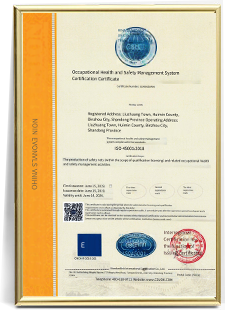
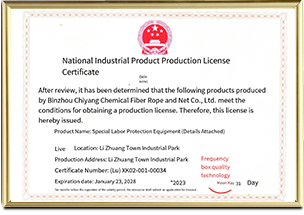
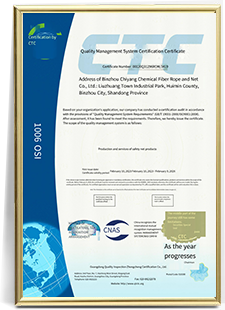
We understand that while output is the skeleton, quality is the soul. Therefore, comprehensive quality inspection is embedded in our corporate DNA.
Every batch of raw polyolefin resin undergoes melt flow index (MFI) and density screening prior to monofilament extrusion.
In-line laser sensors monitor yarn denier uniformity and warp-knitting tension to eliminate weak spots across large mesh panels.
Products undergo Q-SUN Xenon Arc chamber testing simulating 5,000+ hours of continuous intense solar radiation.
Final mesh sections are subjected to universal tensile testing machines to verify knot stability and tear burst parameters.
We sincerely look forward to joining hands with you, using our expertise and focus to safeguard your projects and create an even more brilliant tomorrow together.
Our mesh systems are deployed globally across specialized agricultural, civil construction, marine, and commercial sectors.
Large-scale overhead multi-span canopy netting systems protect high-value crops (grapes, cherries, blueberries) from bird peck damage. Lightweight HDPE knotted and knotless meshes provide optimal UV transmittance, allowing photosynthetically active radiation (PAR) while deflecting avian pests.
In urban architecture, bird droppings corrode historic stonework, metallic beams, and solar panel arrays. Flame-retardant (DIN 4102 B1 certified) high-tenacity nylon and translucent HDPE meshes create near-invisible structural barriers over alcoves, parapets, and window wells.
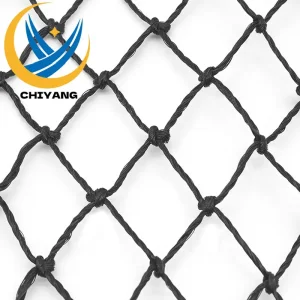
Predatory seabirds, cormorants, and herons cause severe inventory losses in fish hatcheries and shrimp ponds. Heavy-duty black UV-treated HDPE netting spans across expansive water surfaces, resisting salt corrosion, moisture absorption, and mold growth.
Birds nesting inside distribution hubs pollute inventory and trigger fire sprinkler system alarms. Full-ceiling sub-rafter netting installations establish a zero-tolerance physical barrier without blocking illumination overhead or interfering with automated cranes.
Avian feathers and debris clog chiller coils and fine intake filters, causing compressor overheating. Custom stainless steel and rigid extruded plastic mesh screens fit directly over air intakes, ensuring clean airflow and reducing HVAC maintenance overhead.
High-strength knotless protection mesh serves a dual role on multi-story building sites: preventing accidental personnel or tool falls while simultaneously acting as a bird barrier on open perimeter floor plates during fit-out phases.
When sourcing bird screen mesh at scale from Chinese factories, enterprise buyers must look beyond initial unit cost per square meter. A comprehensive Total Cost of Ownership (TCO) evaluation requires analyzing technical specifications, material purity, and supplier capability metrics:
Recycled polyolefin resins contain micro-impurities and degraded polymer chains that dramatically reduce outdoor UV lifespan. Always demand certification confirming 100% virgin HDPE or High-Tenacity Nylon raw stock.
Sub-standard suppliers cut costs by reducing yarn denier, leading to weight variances of up to 15%. Require automated inline weight checking and strict GSM tolerances (±3%).
Industrial installations fail most frequently at point-load attachment zones. Ensure your factory offers selvedge edge reinforcement, heavy-duty border ropes (4mm-8mm), or stitched Oxford webbing borders with stainless grommets.
Factory-pre-cut seamless panels matching exact site dimensions save field installation labor costs by up to 60%. Furthermore, advanced hydraulic compression baling allows Chinese factories to maximize container payload weight, reducing ocean freight costs per unit.
Technical and procurement insights answered by senior netting engineers and export specialists.
Direct factory access to our complete range of shade, anti-bird, sports netting, and fall protection containment products.
 Chiyang Net