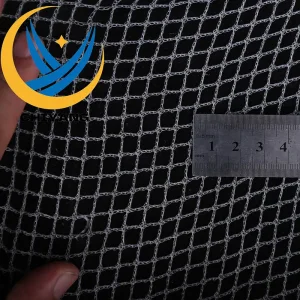
Precision-knitted UV stabilized netting solutions tailored for agricultural yield protection, sports complex perimeter security, and structural avian deterrence.
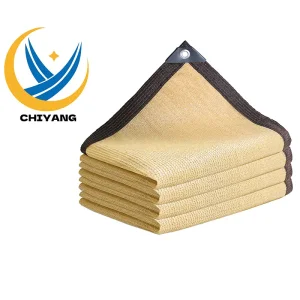
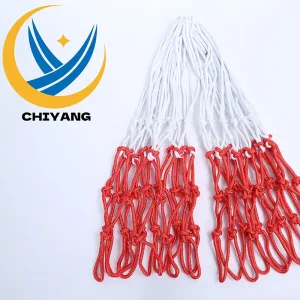
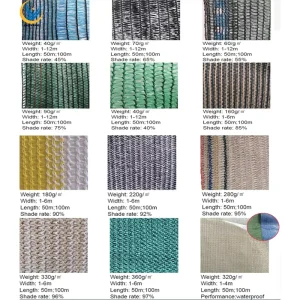
Quantifying multi-billion dollar losses across agricultural ecosystems, photovoltaic infrastructures, and commercial real estate due to uncontrolled bird intrusions.
Avian control has evolved from elementary agricultural scaring tactics into a sophisticated polymer engineering discipline. According to recent global agricultural economic statistics, direct crop damage caused by pest bird species (such as Sturnus vulgaris, Passer domesticus, and Columba livia) accounts for over $1.4 billion annually in high-value horticulture, including vineyards, stone fruit orchards, berry plantations, and organic grain fields. In addition to direct biomass consumption, birds transmit phytopathogens and secondary fungal infections through physical pecking, drastically reducing harvest quality and commercial valuation.
In industrial and architectural domains, uncontrolled bird roosting presents critical biosecurity and operational hazards. Uric acid present in avian droppings degrades building facade stonework, corrodes structural steel joints, and permanently destroys delicate anti-reflective coatings on commercial Photovoltaic (PV) solar panels—resulting in up to 28% efficiency degradation over six months. Furthermore, logistics facilities, aircraft hangars, and food processing facilities face regulatory non-compliance fines under international sanitation standards (such as HACCP, USDA, and EU Food Safety Guidelines) when pest birds inhabit overhead structural trusses.
As tier-one China Bird Safe Netting Exporters, our manufacturing methodology integrates biological bird vision research with high-tensile polymer physics. We deliver physical barrier systems that achieve 100% exclusion compliance while maintaining complete animal safety—ensuring zero avian mortality, compliance with international wildlife protection mandates, and uninterrupted airflow and solar irradiance.
Modern bird safe netting relies on precise spectral color contrast and non-tangling mesh tension. By engineered refraction of light across UV-stabilized high-density polyethylene strands, birds recognize physical barriers prior to contact, preventing entanglement while delivering absolute site protection.
Rigorous physical properties engineered to withstand extreme ambient temperatures, intense ultraviolet bombardment, and high mechanical wind shear loads.
Compounded with premium Hindered Amine Light Stabilizers (HALS 944/783) at a minimum concentration of 3.5% by weight. Designed to endure solar irradiation rates up to 500 KLY (Kilo Langley) without molecular chain scission or tensile loss.
Manufactured exclusively from high-density virgin polyethylene resins (MFI < 0.9 g/10min). Zero recycled polymer contamination ensures optimal tensile strength (> 4.8 g/denier) and maximum dynamic tear resistance under extreme hail or storm impact.
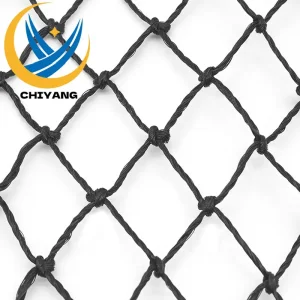
Micro-calibrated aperture matrices ranging from 15mm square mesh to 50mm diamond structures. Raschel knotless multi-monofilament weaving guarantees structural integrity; single strand ruptures do not propagate laddering or unraveling.
| Target Species Class | Typical Species Examples | Recommended Mesh Size | Yarn Type & Diameter | Minimum Break Load | Primary Industrial Application |
|---|---|---|---|---|---|
| Micro Avian (Passerines) | Sparrows, Finches, Swallows | 15mm - 19mm Square | HDPE Monofilament (0.28mm - 0.35mm) | > 18 kg per strand | Vineyards, Berry Canopies, Food Processing Plants |
| Medium Avian (Starlings) | Starlings, Mynahs, Blackbirds | 28mm - 30mm Square | HDPE Monofilament (0.35mm - 0.45mm) | > 25 kg per strand | Stone Fruit Orchards, Commercial Warehouses |
| Large Avian (Columbidae) | Pigeons, Doves, Wood Pigeons | 50mm Diamond / Square | Multi-strand HDPE / Nylon (0.50mm - 0.80mm) | > 45 kg per strand | Urban Building Facades, PV Arrays, Stadium Trusses |
| Macro Marine (Laridae) | Seagulls, Cormorants, Herons | 75mm - 100mm Diamond | Braided Polyethylene / Nylon (1.2mm - 2.0mm) | > 85 kg per strand | Offshore Aquaculture, Landfill Enclosures, Marine Ports |
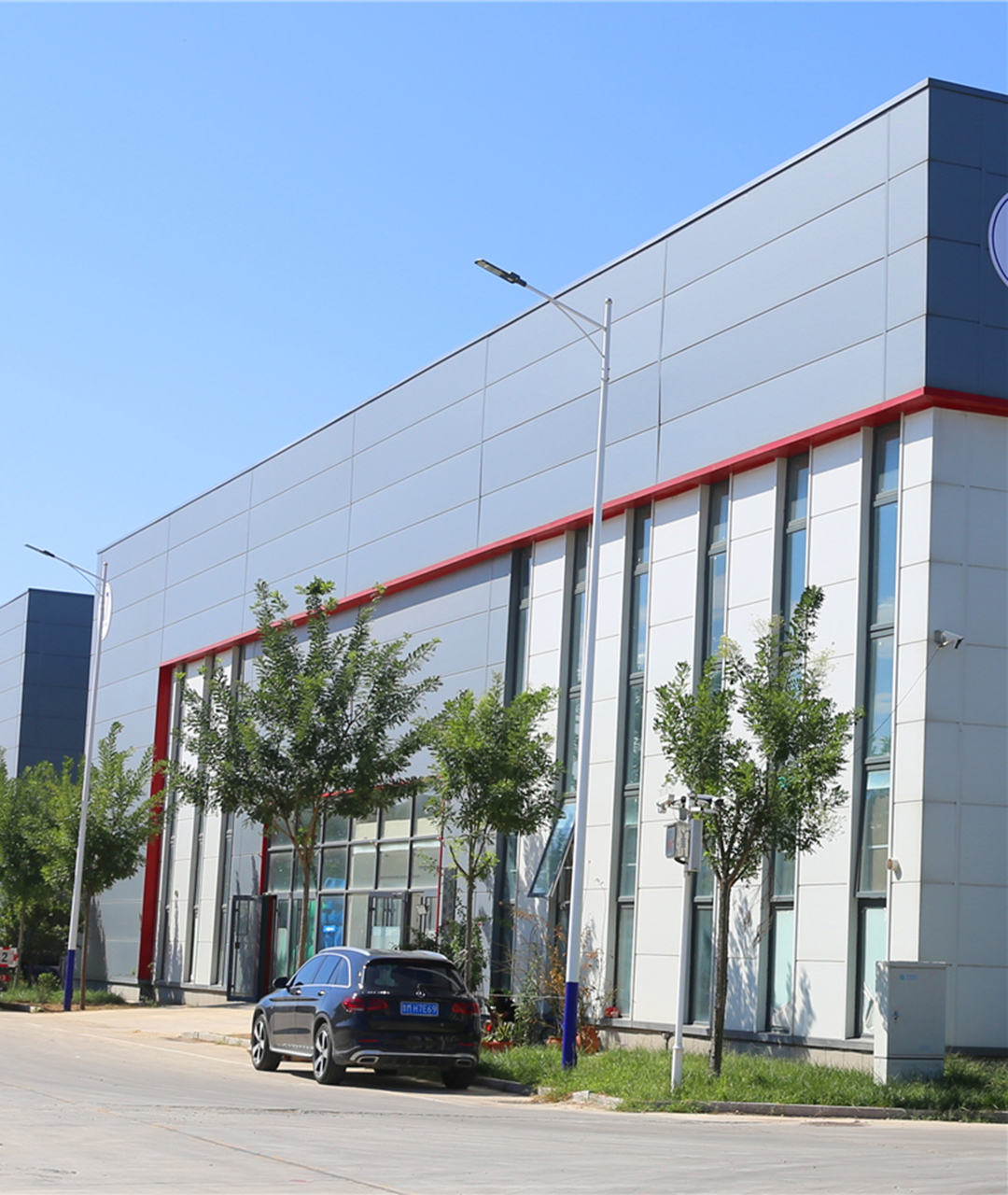
Strength comes from visible hardware investment and systematic quality management. Operating from a modern industrial campus covering 6,800 square meters, our factory houses 16 advanced extrusion, monofilament drawing, and high-speed warp knitting machines. These precision systems form the backbone of our streamlined manufacturing output.
With an outstanding monthly production capacity reaching 800,000 square meters, we maintain full control over lead times, yarn density, tensile consistency, and custom color formulations. Backed by a dedicated workforce of 26 technical specialists and quality engineers, we support global B2B procurement needs from high-volume agricultural roll supplies to pre-cut structural nets.
We believe that while volume represents scale, rigorous quality defines enterprise longevity. Quality control is not merely an inspection checkpoint—it is the foundational standard embedded into every strand of netting we manufacture.
From raw virgin polymer resin verification and color masterbatch purity to inline warp-tension monitoring and final burst-strength testing, every batch undergoes thorough laboratory verification. Our netting products meet strict international criteria for weatherability, breaking strain, and thermal resistance—providing absolute reliability for major infrastructure installations worldwide.
Verified quality management systems ensuring full compliance for international export markets across North America, Europe, Australia, and the Middle East.
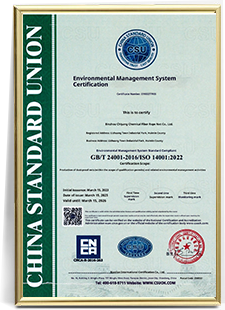
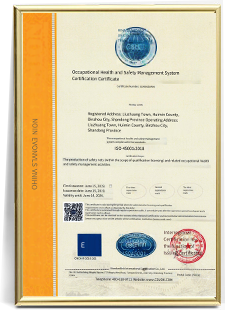
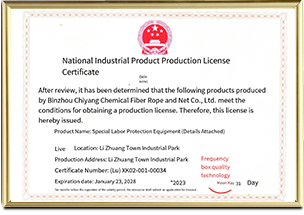
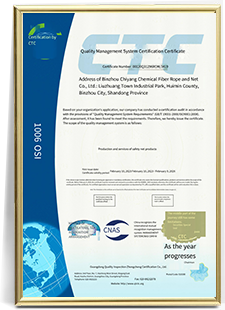
From commercial vineyards in South Australia to logistics centers in Northern Europe, our physical barrier networks deliver targeted protection.
Full-canopy structural systems and side-drape netting provide continuous protection against starlings and sparrows. Designed with micro-shading index factors (10%-15%) to maintain optimal light penetration, photosynthesis, and natural fruit maturation.
High-tensile flame-retardant mesh installed across structural I-beams and roof trusses. Prevents feral pigeons from nesting above food-grade storage zones, eliminating contamination risks and regulatory health violations.
Perimeter and under-panel barrier nets engineered to resist continuous UV exposure and thermal fluctuations. Blocks birds from nesting beneath panels, preserving convective cooling airflow and preventing hot-spot wiring damage.
High-density, salt-water-resistant monofilament netting designed to enclose fish farming pens and shrimp ponds. Protects valuable aquatic stock against predatory sea birds while resisting marine biofouling and algae buildup.
Translucent and stone-colored knotless nets engineered for low visual visibility. Protects historical masonry, cathedrals, and commercial office facades from bird droppings without altering architectural aesthetics.
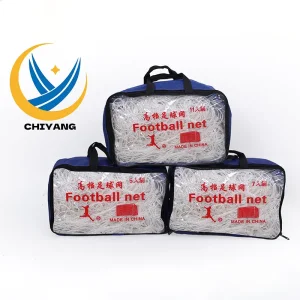
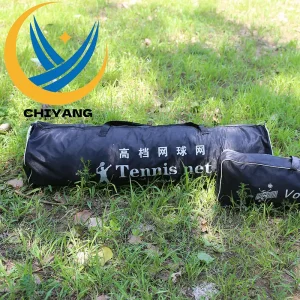
Heavy-duty multi-strand sports perimeter netting. Provides reliable containment for football, tennis, and basketball facilities while doubling as an external perimeter barrier against regional pest birds.
Our export manufacturing process strictly adheres to global environmental, chemical, and safety regulations.
All polymer compounds, plasticizers, and UV masterbatches used in our production lines are fully compliant with the European Union REACH Regulation (EC No 1907/2006). Products are verified free of Substances of Very High Concern (SVHC), heavy metals (Lead, Cadmium, Mercury), and toxic phthalates, ensuring safe handling for agricultural workers and zero chemical leaching into soil or groundwater systems.
For installations within commercial warehouses, hangars, and public facilities, we supply specialized flame-retardant netting treated to meet NFPA 701 and UL94-V0 fire propagation standards. Our self-extinguishing polymer formulations prevent flame spread along overhead structural cable supports.
In alignment with the US Fish and Wildlife Service directives, Australian State Fruit Netting Provisions, and European Bird Directives (2009/147/EC), our net aperture geometries and strand rigidities are engineered to prevent bird entanglements. By enforcing minimum mesh tension thresholds, pest birds bounce off the net surface without getting trapped.
Every export batch is tested under ASTM D5035 tensile strength testing procedures and ISO 4892-3 accelerated Xenon-arc weatherometer exposure. This rigorous testing guarantees that our 5-year and 10-year UV warranty commitments are backed by verifiable empirical data.
Pioneering the future of physical avian exclusion through advanced material science and smart polymer integrations.
Developing monofilaments impregnated with micro-refractive titanium dioxide nanoparticles that reflect light specifically within the avian visual spectrum (300-400 nm). This creates an enhanced visual barrier to birds while appearing completely transparent to the human eye.
Synthesizing bio-based High-Density Polyethylene derived from sugarcane ethanol feedstocks. Designed to achieve a net-zero carbon manufacturing footprint without sacrificing mechanical breaking strength or UV resistance lifespan.
Embedding conductive micro-fibers into major tension lines to create smart netting matrices capable of real-time monitoring. Systems immediately detect mechanical tears, severe storm damage, or structural overload, alerting site engineers via IoT networks.
Detailed technical answers to common queries from agricultural buyers, structural engineers, and import distributors.
100% Virgin HDPE offers superior dimensional stability, exceptionally low water absorption (<0.01%), and outstanding resistance to UV degradation compared to Nylon. Nylon tends to absorb moisture, leading to severe sagging, weight increase, and physical degradation when exposed to rain and direct sunlight. Polypropylene, while lightweight, breaks down rapidly under intense UV exposure. HDPE blended with HALS UV stabilizers delivers the ideal balance of high tensile strength, minimal thermal expansion, and a reliable outdoor service life exceeding 5 to 10 years.
Selecting the correct mesh aperture depends on the smallest target bird species in your region. For small birds like sparrows and finches, a 15mm to 19mm mesh size is required to prevent penetration. For medium-sized birds such as starlings and blackbirds, 28mm to 30mm mesh is highly effective. For larger species like pigeons and gulls, 50mm to 75mm mesh provides complete exclusion while offering lower wind resistance and lighter overall weight per square meter.
We provide comprehensive OEM and ODM customization across multiple parameters: custom roll widths (from 1 meter up to 25 meters seamless width), customized roll lengths (up to 500 meters per roll), specific masterbatch color options (Black, White, Translucent Green, Stone Grey), reinforced selvage border edges, pre-punched brass eyelets, custom pre-cut panel dimensions, and private-label retail or commercial packaging.
Our production facility utilizes precision gravimetric dosing systems to compound 100% virgin HDPE resin with premium HALS (Hindered Amine Light Stabilizers) additives at a minimum concentration of 3.5%. This chemical formulation creates sacrificial radical scavengers within the polymer matrix, absorbing solar radiation and preventing polymer chain scission. Our products are engineered and tested to withstand continuous solar exposure up to 500 KLY.
Our 6,800 square meter factory is equipped with 16 high-speed warp knitting and extrusion machines, delivering a total monthly production capacity of 800,000 square meters. Standard export orders (1x40HQ container, approx. 60,000 - 80,000 sq.m.) are typically produced and ready for port dispatch within 15 to 20 business days following order confirmation.
Yes. Our heavy-duty agricultural bird screen nets, engineered with Raschel knotless multi-monofilament construction (e.g. 35g/m² to 70g/m² density), double as effective hail prevention netting. The elastic structure breaks the kinetic impact of falling hailstones, protecting vulnerable fruit blossoms, foliage, and high-value crops without requiring separate net installations.
Industrial-grade netting systems engineered for agricultural protection, commercial infrastructure, safety barriers, and athletic facilities.
 Chiyang Net