Direct factory supply of high-density polyethylene (HDPE), polypropylene, and nylon barrier netting engineered for commercial agriculture, aquaculture, and structural protection.
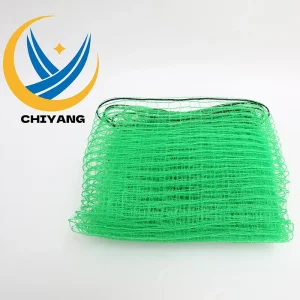
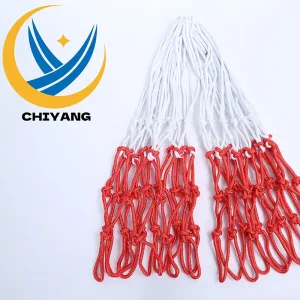
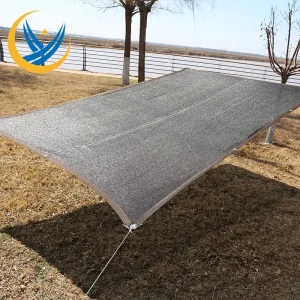
An in-depth whitepaper examining manufacturing processes, material polymer chemistry, structural mesh engineering, and international supply chain dynamics.
In modern agricultural economics and industrial asset management, damage caused by pest birds—ranging from passerines and starlings to gulls and pigeons—represents hundreds of millions of dollars in annual losses worldwide. Agricultural enterprise managers, solar farm operators, commercial infrastructure developers, and municipal authorities increasingly turn to specialized China Anti Bird Exporter & Factories to secure advanced physical barrier netting systems that deliver long-term protection without ecological disruption.
Core Industry Takeaway: Physical barrier netting remains the only 100% effective long-term pest bird mitigation strategy. Unlike visual scare devices or sonic deterrents to which avian species habituate, high-tensile High-Density Polyethylene (HDPE) mesh physically prevents roosting, nesting, and crop destruction while maintaining essential air permeability and light transmission.
The concentration of netting production in specialized Chinese manufacturing hubs offers substantial technical and financial advantages to international buyers. China’s integrated chemical supply chain allows factories to synthesize raw virgin HDPE resins and combine them directly in-house with specialized Hindered Amine Light Stabilizers (HALS) and UV masterbatches. This vertical integration eliminates supply chain volatility and ensures uniform quality control from raw pellet to extruded monofilament.
Chinese factories utilize high-speed Raschel warp knitting machinery and continuous thermal setting technology. This precise manufacturing approach prevents knot slipping, stabilizes orifice dimensions, and dramatically increases break load resistance relative to total fabric weight. For global enterprise buyers, sourcing from China delivers an optimal balance of structural longevity, customization flexibility, and competitive scale economics.
The primary point of failure in low-grade anti-bird netting is photo-oxidation caused by solar Ultraviolet radiation (specifically UV-A and UV-B spectrums). Leading Chinese exporters utilize 100% virgin High-Density Polyethylene with a specific gravity of ~0.95 g/cm³. Virgin polymer chain integrity is maintained without relying on recycled regrind resins which contain weak molecular bonds prone to micro-cracking.
To resist solar degradation in high-irradiance regions (such as the Middle East, Australia, and Southern North America), anti-bird netting must be formulated with 2.0% to 3.5% chemical UV additives (such as HALS 944/770). This formulation achieves a minimum radiation resistance rating of 300 to 700 KLY (Kilo Langley), translating to a field service life of 5 to 10 years without structural degradation.
| Technical Parameter | Standard Agriculture Mesh | Heavy-Duty Architectural/Solar |
|---|---|---|
| Polymer Base | 100% Virgin Virgin HDPE | High-Tenacity Nylon 6 / Flame Retardant HDPE |
| Monofilament Diameter | 0.20 mm - 0.35 mm | 0.85 mm - 1.20 mm |
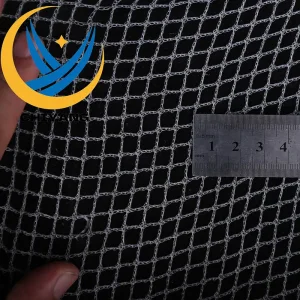
| Mesh Opening Sizes | 15mm, 19mm, 25mm diamond/square | 19mm, 28mm, 50mm square mesh |
| Tensile Strength Retain | >85% after 300 KLY | >90% after 600 KLY |
| Thermal Stability Range | -40°C to +80°C | -50°C to +100°C |
Global procurement teams must select netting parameters based on precise target pest species and operational environments:
Delivering engineering compliance, rapid OEM/ODM prototyping, and large-scale manufacturing output.
By bypassing intermediaries and buying directly from Chinese production bases, global buyers reduce unit costs by 30-45%, unlocking high ROI for expansive agricultural installations.
Fully customized manufacturing options: choice of mesh aperture size (10mm to 100mm), seamless roll widths (up to 30 meters), color variations, edge reinforced borders, and pre-fitted grommets.
Designed according to international wildlife conservation guidelines. Smooth monofilaments provide non-lethal, physical exclusion without entangling or injuring avian species.
In the grand wave of industrial manufacturing, our factory has been deeply rooted in the netting industry for over 16+ years. We are not just a manufacturer; we are a trusted partner dedicated to creating value that exceeds expectations for our global customers through leading technology, stable production capacity, and impeccable quality control.
Strength comes from visible hardware investment and scale accumulation. We possess 16 advanced extrusion and knitting machines forming the core of efficient, automated production. Operating in a modern facility covering 6,800 square meters, we achieve an outstanding monthly output of up to 800,000 square meters.
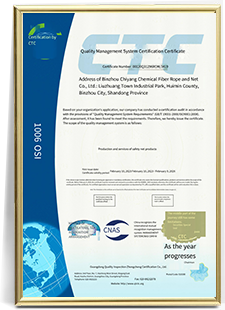
From raw material inspection (incoming polymer melt index testing) to process patrol and final break-strength testing, every square meter of product undergoes multi-dimensional testing to exceed industry benchmarks.
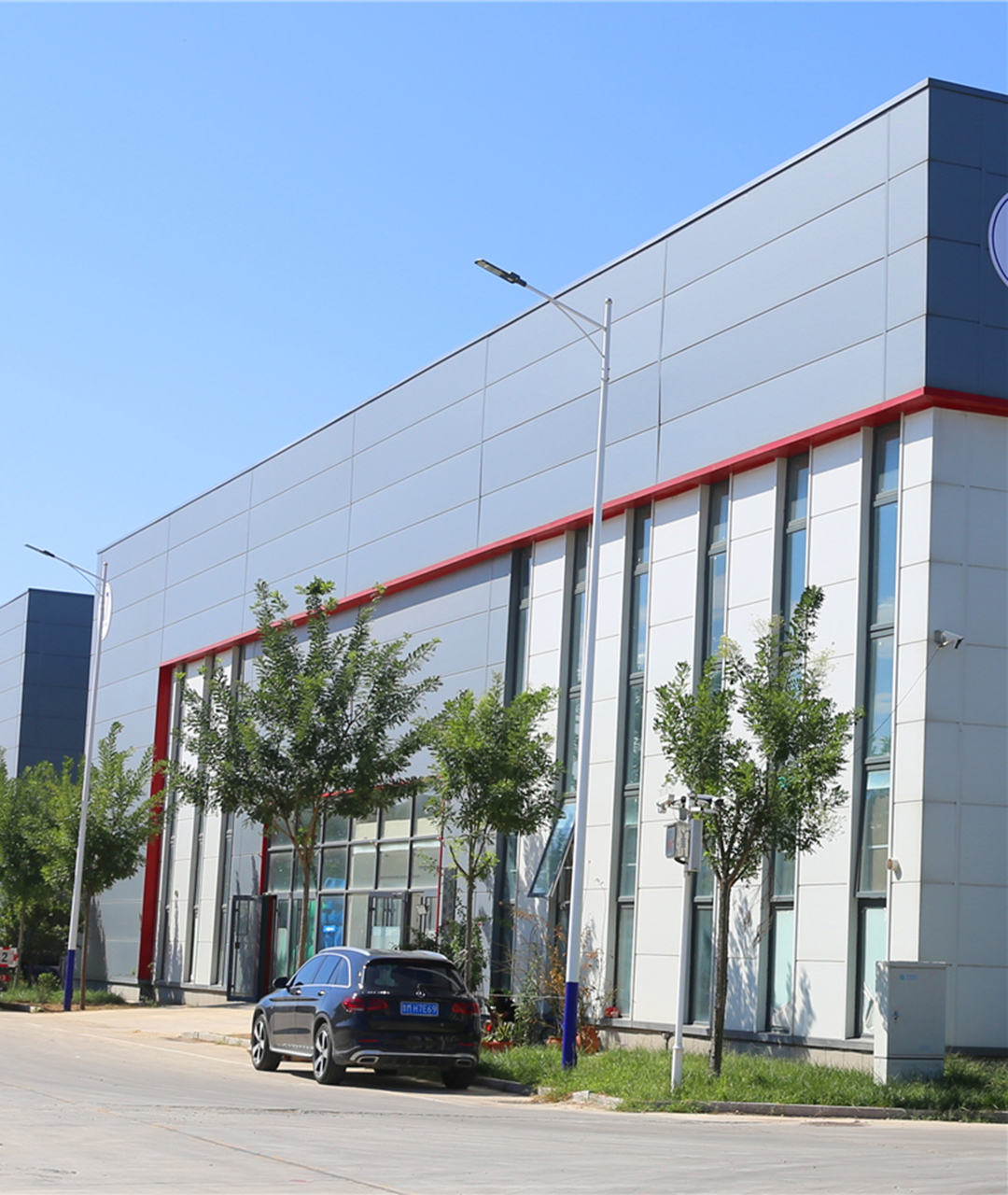
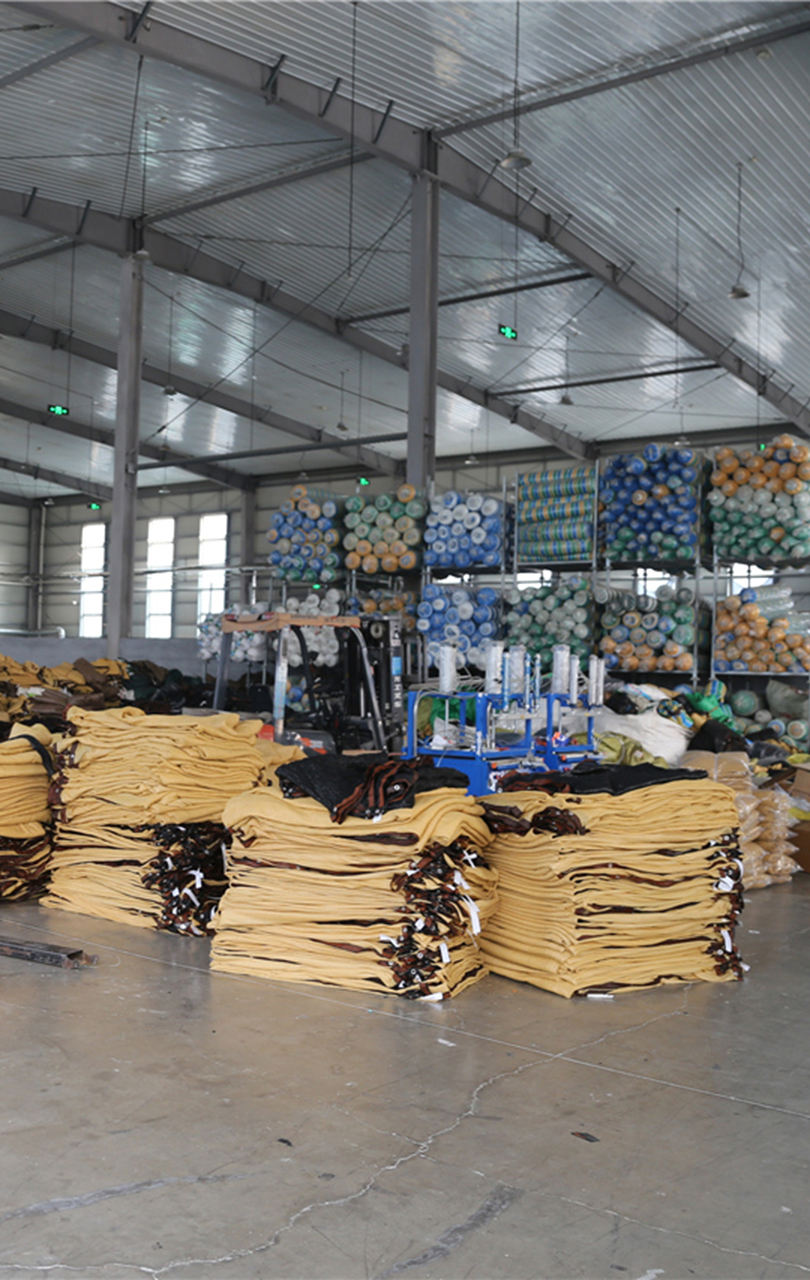
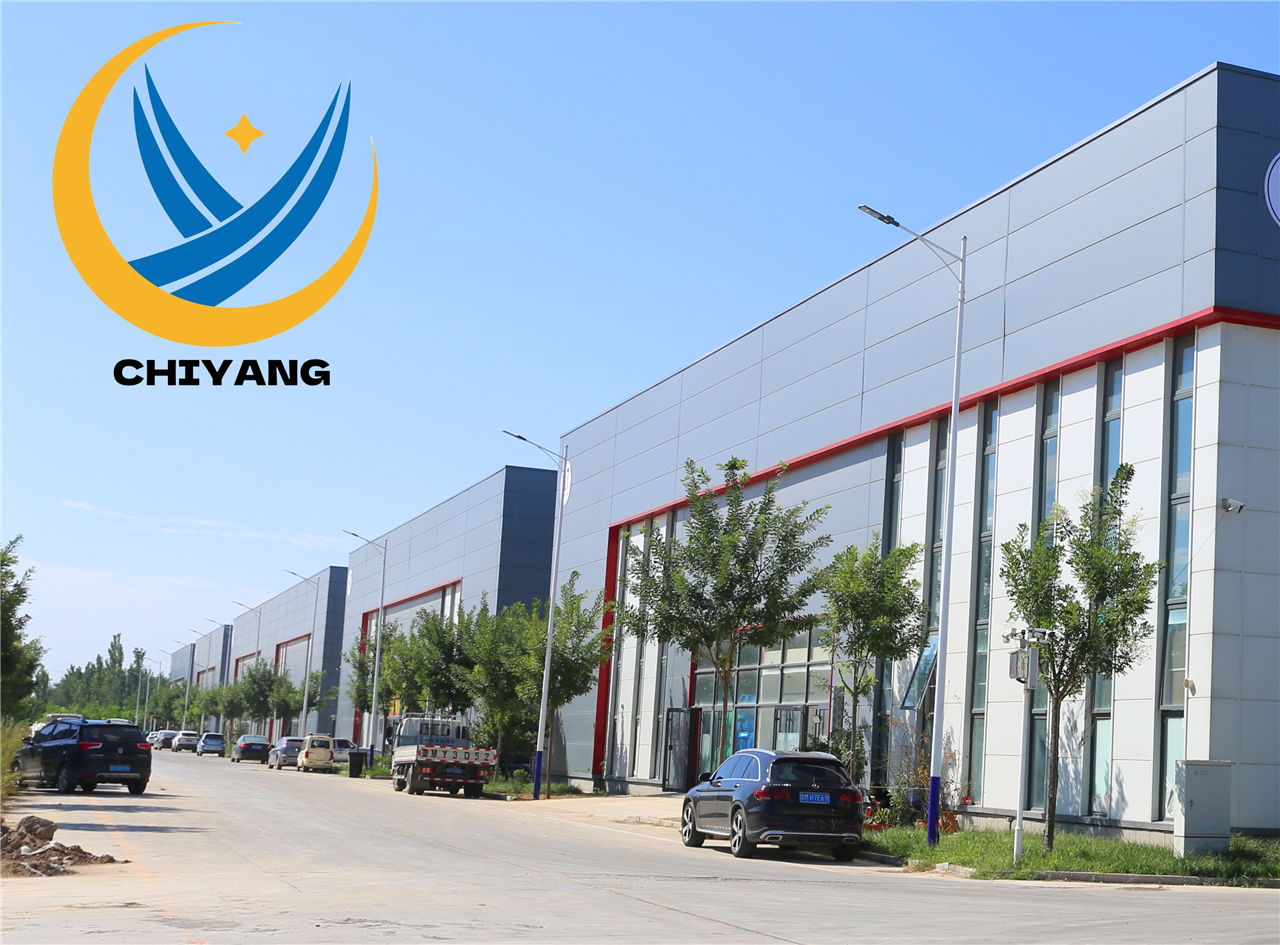
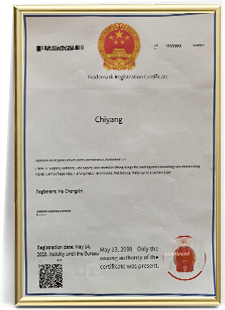
Empirical proof of our manufacturing scale and global delivery capability.
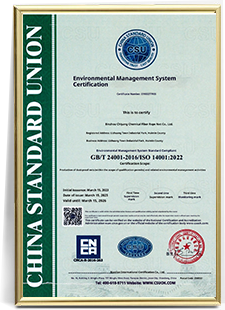
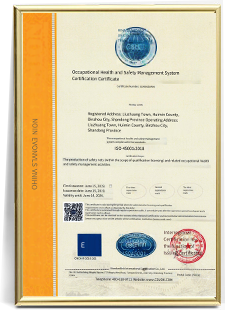
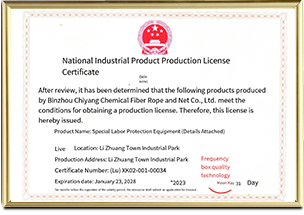
From vineyard top-canopies to smart urban infrastructure, anti-bird netting is undergoing technological convergence.
High-value viticulture requires side-netting or full overhead canopy structures. Our 15mm-20mm knitted HDPE meshes shield wine grapes from starlings and thrushes without restricting necessary sunlight or airflow needed to prevent fungal diseases.
Avian nesting under rooftop solar panels creates thermal hotspots and debris buildup. Specialized anti-bird netting mesh with high tensile strength prevents pigeons from nesting while resisting high ambient temperatures.
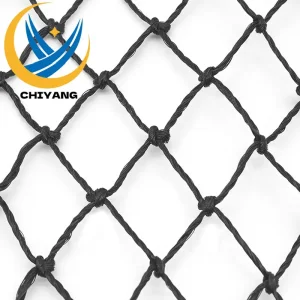
Suspended over fish hatcheries and shrimp ponds, heavy-duty black UV-stabilized monofilament nets present a physically impenetrable barrier to predatory birds without sagging under wind strain or wet conditions.
The anti-bird netting manufacturing sector in China is rapidly advancing towards sustainable polymer innovations and hybrid structural designs:
Answers to common technical, logistics, and customization inquiries from enterprise buyers.
Explore our full series of heavy-duty safety, hail, shade, and anti-bird netting solutions directly from our factory floor.
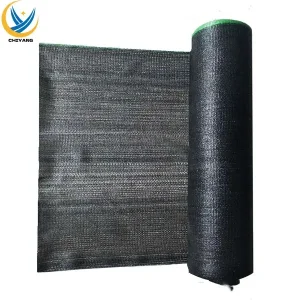
 Chiyang Net