Why Choose a Waterproof Shade Net for Global Sourcing?
Global sourcing often begins with a practical question: can one shade net handle changing climates, shipping conditions, and daily outdoor use? A Waterproof Shade Net may offer a stronger answer than ordinary shade fabric. Its coated structure can reduce rain penetration while controlling sunlight, wind exposure, and crop stress. This matters for nurseries, agricultural tunnels, patios, construction areas, and temporary storage spaces. Yet performance depends on more than a product label. Mesh density, coating quality, UV resistance, edge reinforcement, and drainage design should be checked carefully.
Dr. Amina Rahman, an agricultural materials specialist, explains, “A shade net is valuable only when its weather protection matches the environment where it will be used.” Her point is important for international buyers. A supplier may advertise high waterproofing, but laboratory claims do not always reflect heavy rain, salt air, or repeated folding. Requesting samples can reveal weak stitching, uneven coating, or unpleasant plastic odors before a larger purchase. It also helps compare fabric weight, shade rate, roll dimensions, packaging, and expected service life.
The choice is not perfect.
Buyers should still test local conditions. A fully sealed fabric may trap heat or limit ventilation. Excess moisture can also create problems in sensitive growing spaces. Reliable sourcing therefore requires clear specifications, transparent testing records, and communication with experienced manufacturers. When these details are reviewed together, a Waterproof Shade Net can become more than a low-cost covering. It can support steadier operations, fewer weather-related disruptions, and more confident purchasing decisions across markets.
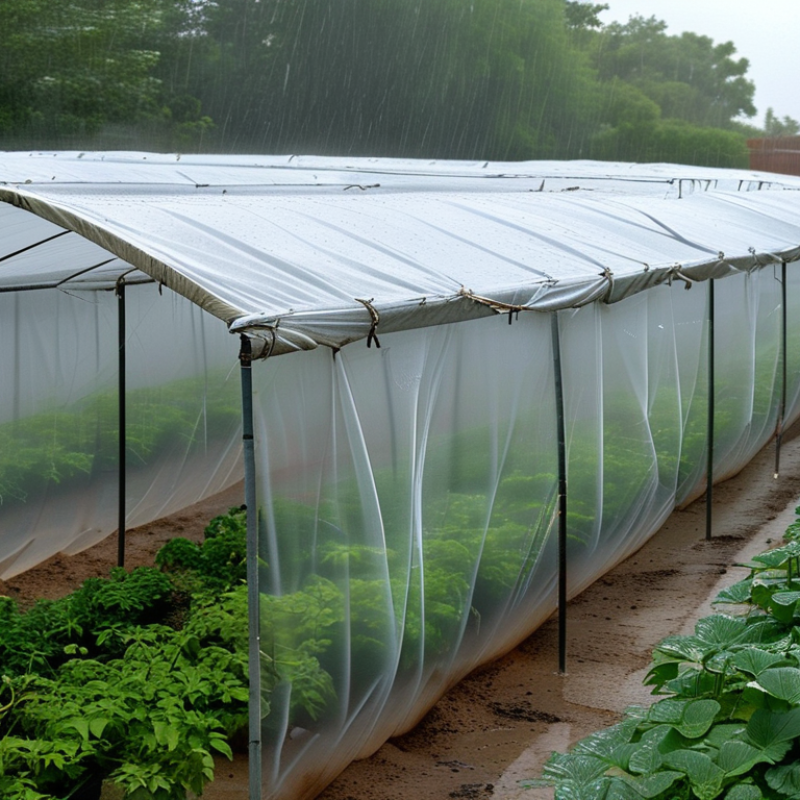
Waterproof shade nets combine strong solar screening with controlled rain protection. Their shade rating usually ranges from 80% to 95%, measured against direct sunlight. An 80% net leaves more daylight for crops and work areas. A 95% net creates deeper cooling, but airflow may decline. The number is not magic.
FAO’s AQUASTAT data reports that agriculture accounts for about 70% of global freshwater withdrawals. Rain control can therefore support more predictable irrigation planning, especially in exposed nurseries and outdoor storage zones. A coated woven fabric sheds rainfall from the surface. Properly sealed seams and sloped installation help prevent dripping through weak points. Field experience shows that water often enters through edges, stitching, or poorly tensioned panels. Not the middle.
Global sourcing requires more than checking a catalog percentage. Buyers should request laboratory results for shade factor, hydrostatic resistance, UV stability, tensile strength, and coating adhesion. The USDA Natural Resources Conservation Service identifies evapotranspiration as a key factor in irrigation planning. Shade nets can reduce solar stress, yet savings depend on wind, crop type, humidity, and installation height. A tightly sealed 95% net may overheat a humid enclosure. That risk is easy to miss.
Supplier samples should be tested after wetting, folding, and repeated tension. Reports should state test methods, specimen size, and production-lot traceability. Color, mesh openness, and coating weight can vary between batches. For global procurement, request independent inspection before shipment. One specification rarely tells the whole story.
: It is a coated woven fabric that blocks sunlight and sheds rainfall. The usual shade range is 80% to 95%. It is not fully waterproof in every installation.
An 80% net blocks much direct sunlight while preserving more daylight. It can suit herbs, lettuce, and young vegetable plants. Airflow usually remains better.
A 90% net suits hotter areas and plants needing stronger light protection. It may reduce leaf scorch on peppers and sensitive ornamentals. Cloudy periods can still slow growth.
A 95% net suits extreme sunlight, propagation areas, and fragile seedlings. It creates deeper cooling and stronger light reduction. Airflow may decline.
No. Water often enters through edges, seams, stitching, or loose panels. A sloped, tightly tensioned installation improves rain control. The middle usually performs better.
Yes. Excessive shade can slow growth and increase disease pressure in humid conditions. A sealed 95% net may overheat an enclosure with poor airflow. That risk is easy to miss.
Request results for shade factor, water resistance, UV stability, tensile strength, and coating adhesion. Test samples after wetting, folding, and repeated tension. Small trials matter.
Check sunlight, rainfall, wind, humidity, crop type, and growing stage. Installation height, drainage, and repair access also affect performance. One percentage cannot predict everything.
Avoid loose panels, flat sections, weak seams, and blocked drainage paths. Collected water can stress the supporting structure. Poor tension is common.
No. Laboratory results show controlled performance, not every field condition. Color, mesh openness, and coating weight may vary between batches. I would still inspect before shipment.
A Waterproof Shade Net is designed to provide reliable shade while helping control rain exposure, making it suitable for agricultural, horticultural, and outdoor applications in varied climates. Available in approximately 80%, 90%, and 95% shade levels, it allows buyers to match light reduction with crop requirements, local weather, and ventilation needs. The right selection can help reduce heat stress, limit excessive sunlight, and protect plants from heavy rainfall without creating an overly enclosed environment.
Manufactured from durable HDPE mesh with UV stabilizers, a quality Waterproof Shade Net can support around three to five years of outdoor use when properly installed and maintained. For global sourcing, buyers should review tensile strength, water resistance, UV-aging performance, and consistent GSM control. Testing aligned with ISO 4892-3, along with REACH-related material compliance, can improve confidence in product safety and long-term performance. Careful specification and quality inspection help ensure dependable results across different markets and growing conditions.

 Chiyang Net