Why Choose Cloth Netting for Garden Protection?
Garden protection is becoming less about harsh chemical control and more about practical prevention. The Food and Agriculture Organization estimates that plant pests destroy up to 40% of global crop production each year. That figure gives small growers a serious reason to reconsider exposed beds, especially when cabbage leaves show fresh holes overnight.
Cloth Netting For Garden creates a physical barrier around vegetables, herbs, berries, and young seedlings. It can help limit contact with butterflies, moths, birds, and some crawling insects. It also allows air and sunlight to pass through. This balance matters. A tightly sealed cover may protect plants, yet it can trap heat and moisture. A loose edge can fail quickly.
Dr. David James, an entomologist at Washington State University, has described exclusion as “the first line of defense” in integrated pest management. The principle is simple. Stop the pest before damage begins. The USDA supports this broader approach through integrated pest management guidance, which prioritizes monitoring, prevention, and targeted action.
The evidence is encouraging, but cloth netting is not a magic shield. Mesh size, installation, ventilation, and crop timing all affect performance. FAO’s plant-health reports also stress that prevention works best when combined with regular inspection. That part is easy to overlook. Lift the fabric weekly. Check the undersides of leaves. Repair small tears before they become wide openings.
For many home gardeners, this method offers a quieter, reusable alternative. Fewer chewed leaves. Less spraying. More control. Still, selecting the wrong mesh can disappoint. The material must match the pest, crop, and local weather.
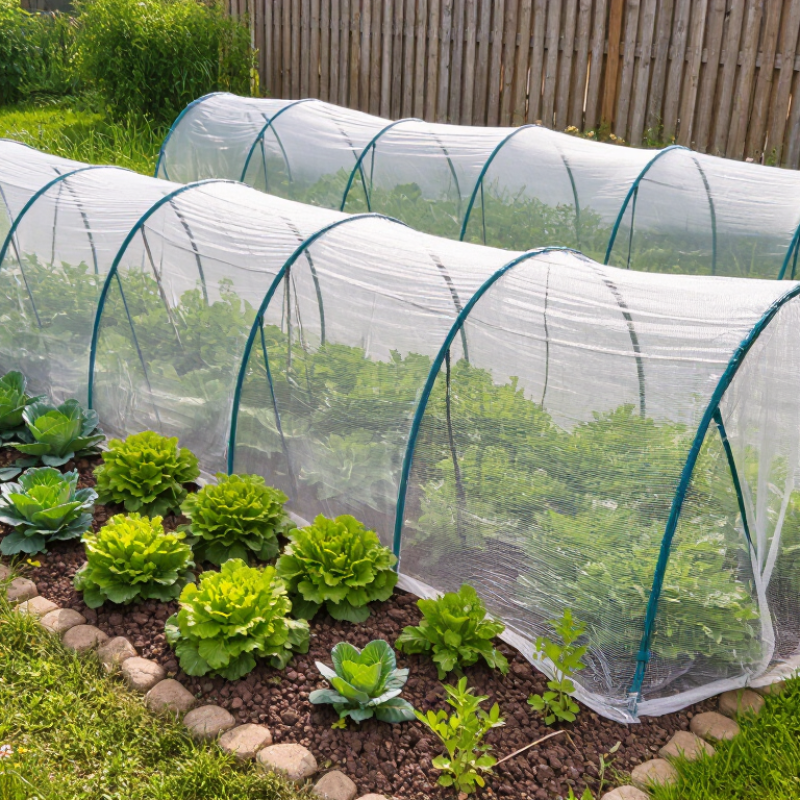
Cloth netting is a lightweight fabric barrier placed over plants, beds, or small fruit trees. Its woven or knitted mesh allows sunlight, air, and rain to pass through. At the same time, it blocks many insects, birds, and small animals from reaching tender leaves. Different mesh sizes serve different purposes. Fine netting can reduce access for tiny pests, while wider mesh may protect berries from birds. The material also creates a mild physical shield against wind damage and falling debris.
In a vegetable garden, secure edges matter as much as the fabric itself. A loose corner can become an easy entrance for pests. Use hoops, clips, or smooth supports to keep the cloth above the foliage. Leave room for plant growth. Pressing fabric directly against wet leaves may increase rubbing and moisture problems. I once overlooked one open edge and found several insects inside the bed. That small mistake changed how carefully I check installations. Netting is useful, but it is not a complete pest solution.
Tips: Choose mesh according to the pest you expect. Inspect the fabric weekly for holes, sagging, and trapped animals. Water beneath the net when possible. Remove it during flowering if pollinators need access, unless the crop can set fruit without them. Wash and dry reusable netting before storage. Thin fabric may tear faster than expected.
Cloth netting protects garden crops by creating a physical barrier against common pests. Caterpillars, leaf miners, aphids, and some beetles struggle to reach tender leaves. This can reduce visible damage without relying on repeated chemical treatments. The Food and Agriculture Organization estimates that plant pests cause annual losses of 20–40% of global crop production. That figure makes prevention worth considering, even in a small garden.
Key benefits also include better crop quality and steadier growing conditions. Fine mesh can block strong wind, large raindrops, and some birds while allowing light and air to pass. Light still enters. In practical use, netting keeps seedlings cleaner, especially after wet weather. It can also reduce the need to inspect every leaf each morning. However, the mesh size must match the pest. A loose weave will not stop tiny insects. That is an easy mistake.
Gardeners must remove or open the net during flowering when pollinators need access. The IPBES assessment reports that more than 75% of global food crop types benefit from animal pollination. This makes timing essential. Netting is not foolproof. It may trap heat, restrict watering, or hide an infestation until damage becomes serious. Check the underside of leaves, secure the edges at soil level, and lift the cover regularly. These small habits improve protection, although they require more attention than many product guides suggest.
Key Benefits of Using Cloth Netting for Garden Protection
Cloth netting helps protect crops without relying on chemical barriers. The chart shows typical maximum mesh openings used for excluding common garden pests. Smaller openings provide stronger protection against tiny insects, while larger openings allow improved airflow and pollinator access when appropriate.
Mesh recommendations are practical horticultural guidelines; actual performance depends on pest size, net installation, crop type, and local growing conditions.
Cloth netting helps shield garden plants from several common threats without blocking sunlight. Birds often peck at ripening strawberries, tomatoes, and young seedlings. Rabbits may chew tender leaves along the lower edges. Deer can damage taller plants overnight, especially when food becomes scarce. A properly fitted net creates a physical barrier between these animals and fragile growth.
Fine mesh can also reduce damage from cabbage moths, leaf miners, and some flying beetles. The correct opening size matters. Large openings may stop birds but still allow small insects through. Very fine mesh can restrict airflow and make pollinator access difficult. Remove or lift it when flowering plants need visits from bees. Cloth netting may soften light hail, but it should not be treated as complete storm protection.
I once secured a net only along three sides. A rabbit found the gap before morning. That mistake changed my installation routine. I now bury or pin the edges, leave enough space around leaves, and inspect the fabric after windy weather. Horticultural guidance also supports regular checks, because trapped birds, rubbing stems, and sagging fabric can cause harm. The material should stay dry when possible, and damaged sections need prompt repair. Some protection choices still require adjustment.
Choosing cloth netting starts with identifying the threat, not the color or price. Fine insect mesh helps against aphids, whiteflies, and cabbage moths. Larger openings suit birds, rabbits, or strong summer winds. Measure the bed carefully. A loose cover can sag onto leaves and cause damage. A tight cover may tear at the edges.
Examine the fabric’s mesh size, fiber strength, UV resistance, and breathability. In hot gardens, dense cloth can trap heat and moisture. That encourages fungal problems, especially after evening watering. In cooler areas, a heavier weave may protect tender seedlings from wind. Hold a sample toward the sun. You should see even openings, not weak, stretched patches. Reliable sellers should explain the material and expected outdoor life clearly. Avoid claims that sound absolute. No netting solves every pest problem.
Use clips or buried edges to close gaps where insects crawl. Leave enough height for growing plants and inspect the cover weekly. Look for frayed seams, puddled water, and trapped pollinators. Remove or open the netting when flowering crops need visits from bees. I once chose very fine cloth for summer lettuce. It reduced pests, but the leaves overheated on still afternoons. That choice was not perfect. Garden conditions change, so observe the plants and adjust the cover instead of trusting one specification.
Why Choose Cloth Netting for Garden Protection?
Cloth netting protects vegetables, berries, and young plants from many common garden pests. Its soft structure also reduces damage from wind and direct contact. Before installation, measure the bed and add extra width for secure edges. Place smooth hoops over the plants, then drape the netting without pulling it tightly. Leave enough space for leaves to grow. Bury the edges under soil or hold them with safe garden pins. Check every corner. Small gaps can invite pests.
During use, inspect the cloth after storms, watering, and strong sunlight. Repair small tears with sturdy thread before they spread. Lift the netting carefully when harvesting, because wet fabric can snag easily. Keep it away from sharp stakes and hot surfaces. At the end of the season, wash off soil with clean water and let it dry completely. Fold it loosely and store it in a cool, dry place. I once stored damp netting and found mildew the next spring. That mistake was avoidable.
Tips: Install netting before pests appear. Check plants twice weekly for trapped insects or birds. Never let fabric rest heavily on fragile stems. Reuse is practical, but inspect older material for brittle fibers. Replace it when light passes through damaged areas. A tidy installation saves time later, though perfection is not realistic in every garden.
| Protection Goal | Suitable Cloth Netting | Typical Opening or Coverage | Installation Method | Maintenance Schedule | Safe Reuse Practice |
|---|---|---|---|---|---|
| Small flying insects | Fine insect mesh made from polyester or polypropylene | Approximately 0.8–1.2 mm openings, selected according to the pest size and crop ventilation needs | Drape over hoops or a frame; bury or securely pin the edges and close all gaps | Check edges and seams weekly; inspect after strong wind, rain, or handling | Brush off plant debris, wash with clean water and mild soap, then dry completely before storage |
| Bird protection | Lightweight bird netting with visible, flexible strands | Common garden meshes range from about 15–25 mm; choose a size that prevents target birds from entering | Install above the crop on a rigid support so the fabric does not rest directly on fruit or foliage | Inspect at least weekly for tears, sagging, trapped wildlife, and loose sections | Remove carefully, release any trapped animal immediately, clean, dry, and store away from rodents and sharp tools |
| Butterfly and moth exclusion | Fine insect-exclusion fabric with reinforced edges | Use the smallest practical opening that allows airflow and does not interfere with plant growth | Fit over hoops before adult insects are active; secure seams, ends, and ground contact points | Check after each harvest and whenever plants are pruned or supported | Remove plant residues before washing; do not reuse fabric that has brittle fibers, large holes, or contaminated patches |
| Hail and light frost reduction | Heavier woven garden fabric or frost cloth designed for temporary crop covering | Coverage is specified by the fabric design; use breathable material and avoid sealing plants airtight | Support with hoops or stakes so the fabric does not press on wet foliage or delicate stems | Remove or ventilate during warm, sunny conditions; check for condensation and wind damage | Dry fully before folding; label by crop or season and store in a cool, dry, dark location |
| General garden barrier | UV-stabilized woven polyester or polypropylene netting | Select the opening size based on the pest, required airflow, and pollination needs of the crop | Use smooth clips, ties, or ground pins; avoid sharp wire ends and leave enough clearance for plant growth | Inspect weekly and repair small holes promptly with compatible patch material | Retire fabric when it becomes brittle, heavily frayed, moldy, or structurally weak |
| Safety checklist: Keep netting taut and visible, remove loose loops that could entangle people or wildlife, maintain access paths, and check that covered crops still receive adequate light, ventilation, water, and pollination. | |||||
It creates a physical barrier against caterpillars, aphids, leaf miners, beetles, birds, rabbits, and deer. Tender leaves stay less exposed. Protection varies by mesh size.
It may reduce visible damage and repeated treatment needs. It cannot replace regular inspections. Tiny insects may pass through loose fabric.
Match the opening size to the target pest. Large openings can stop birds but allow small insects through. Fine mesh offers stronger insect protection.
Most suitable garden mesh allows light and air to pass. It can soften strong wind and heavy raindrops. Very fine fabric may restrict airflow.
No. Open or remove it when pollinators need access. Many food crops depend on animal pollination. Timing matters.
It keeps young plants cleaner after wet weather. It can also shield seedlings from birds and large raindrops. Leave space around the leaves.
Pin or bury every edge at soil level. A three-sided cover is not enough. One rabbit found my gap overnight.
It may trap heat, hide infestations, rub stems, or restrict watering. Sagging fabric can also harm plants or animals. Check it regularly.
Lift the cover and check leaf undersides regularly. Inspect it after windy weather. Repair tears promptly. Small checks are easy to miss.
Cloth Netting For Garden protection offers a simple, flexible way to shield plants while allowing air, water, and sunlight to pass through. Made from breathable fabric or mesh, it can help reduce damage caused by insects, birds, small animals, strong wind, and excessive sunlight. Unlike heavier barriers, cloth netting is lightweight and adaptable, making it suitable for vegetables, fruit trees, flower beds, raised beds, and containers. It can also support healthier plant growth by creating a more stable growing environment without completely isolating plants from natural conditions.
Choosing the right netting depends on the specific threat, mesh size, material strength, and level of light protection required. Proper installation involves securing the edges firmly, leaving enough space for plant growth, and avoiding gaps where pests may enter. Regular inspection, gentle cleaning, and careful storage can extend its useful life. When handled safely and reused responsibly, cloth netting becomes a practical, economical, and environmentally considerate solution for protecting gardens throughout the growing season.

Chiyang Net