China Top Sunscreen Netting Manufacturers for Global Buyers?

Time:2026-09-09 Author:Amelia
0%

China has become a major sourcing center for Sunscreen Netting used in agriculture, construction, landscaping, and outdoor comfort. Global buyers now compare more than price. They examine shade rates, UV stability, mesh structure, roll dimensions, and production consistency.

Dr. Michael Raviv, a respected horticultural scientist, offers a useful perspective: “Shade is a management tool, not a substitute for good crop decisions.” His point matters when selecting Chinese manufacturers. A 70% shade net may protect lettuce in strong summer sunlight, yet it could reduce airflow in a humid greenhouse. The right product depends on crop type, climate, installation height, and seasonal exposure.

Reliable manufacturers usually provide technical data, sample testing, color options, and clear production records. Buyers should request tensile-strength results, UV-aging information, fabric weight, and edge-finishing details. A properly reinforced edge can prevent tearing around greenhouse hooks or steel frames. Small details matter.

Factory visits, third-party inspections, and documented quality procedures add practical confidence. Certifications can help, but they do not replace product verification. This is where sourcing can become complicated. Some specifications look impressive on paper, while the delivered rolls vary slightly in density or width.

This guide examines China’s leading Sunscreen Netting manufacturers for international buyers. It considers material quality, customization, export experience, communication, and after-sales support. The ranking cannot represent every factory. Manufacturing capabilities also change over time. Careful buyers should still test samples before placing large orders. Reliability is built through evidence, not promises.
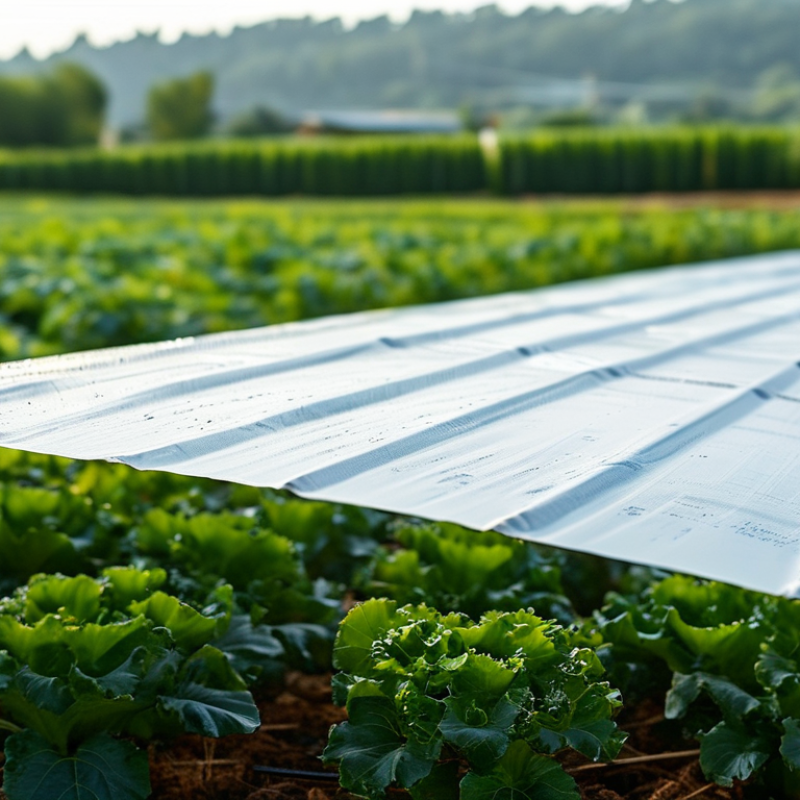
China Top Sunscreen Netting Manufacturers for Global Buyers?

What Is Sunscreen Netting and Why Does It Matter?

Sunscreen netting is a knitted or woven material that reduces sunlight reaching crops, work areas, and outdoor structures. It is usually made from durable polyethylene yarns. The fabric controls light intensity without creating complete darkness. This balance matters in greenhouses, nurseries, balconies, and temporary agricultural shelters.

In practical growing conditions, excessive sunlight can raise leaf temperature quickly. Young plants may wilt by midday, even when the soil remains moist. Sunscreen netting helps reduce heat stress, glare, and water loss. Its shading rate must match the crop. Vegetables may need moderate shade, while delicate ornamentals often require stronger protection. A net that is too dense can slow growth and produce thin, pale stems. That mistake is easy to make.

Air movement still matters. Good netting should provide shade while allowing ventilation and rainwater passage. Buyers should check yarn quality, edge reinforcement, tear resistance, ultraviolet treatment, and roll dimensions. A sample test is useful before placing a large order. Observe the temperature beneath the net at noon, not only in the morning. Shade percentages can also vary between laboratory claims and field performance. That difference deserves attention. Manufacturers serving global buyers should provide clear specifications, consistent production records, and practical installation guidance. No fabric solves every climate problem. The best choice depends on crop type, local sunlight, wind exposure, and the structure supporting it.

Key Types of Sunscreen Netting Available in China

China’s sunscreen netting sector serves greenhouses, nurseries, livestock shelters, and outdoor storage sites. A 2024 Grand View Research analysis valued the global greenhouse market at over USD 40 billion, increasing demand for practical climate-control materials. Chinese suppliers commonly offer four main netting types.

Knitted HDPE shade netting is lightweight and flexible. It usually provides 30% to 90% shade, depending on mesh density.

Woven HDPE netting has tighter edges and better dimensional stability. It suits large greenhouse roofs and temporary structures.

Reflective aluminum-coated netting can redirect sunlight and reduce heat buildup. It works well in hot, bright regions.

Insect-proof netting uses finer mesh, often from 20 to 80 mesh. However, finer openings can restrict airflow.

According to FAO protected-cultivation guidance, ventilation and temperature control strongly influence crop performance. Therefore, buyers should check shade rate, UV stabilization, tensile strength, and air permeability together. A higher shade rate is not automatically better. I have seen poorly selected 70% netting cause weak plant growth in cloudy seasons. That choice looked safe, but it reduced useful light. Requesting GSM, mesh dimensions, edge reinforcement, and laboratory test results improves purchasing reliability. Some specifications still need independent verification. Ask for samples and inspect stitching under direct sunlight before placing a large order.

How to Evaluate Chinese Sunscreen Netting Manufacturers

Evaluating Chinese sunscreen netting manufacturers requires more than comparing export prices. Start with product evidence. Ask for mesh density, shade rate, UV resistance, tensile strength, roll width, and service life. These figures should match laboratory reports and production samples. A reliable manufacturer explains testing methods clearly, rather than sending attractive but incomplete data.

Visit the factory virtually or in person. Check extrusion lines, weaving equipment, warehouse conditions, and batch identification. Request a sample from current production, not a specially prepared roll. Test it under sunlight, tension, and repeated handling. Small differences in yarn thickness can affect shade uniformity and tearing resistance. I have found that packaging quality also matters. Damp rolls may arrive with hidden deformation. It is easy to overlook this detail.

Review the manufacturer’s quality system, inspection records, and export experience. Ask how they manage color variation, recycled materials, and production delays. Independent inspections can verify loading quantities and carton conditions. Certifications are useful, but they should support real process control. A certificate alone proves little. Clear communication is another practical test. Does the supplier answer technical questions directly? Does it admit limitations? Some factories promise a ten-year outdoor life without defining climate or installation conditions. That claim needs careful questioning. A written warranty should state coverage, exclusions, and testing assumptions. My own evaluation would remain cautious until the sample survives realistic field use. Башҡ

Leading Chinese Manufacturers for Global Buyers

Chinese sunscreen netting manufacturers serve global buyers with a broad range of shade fabrics, mesh densities, and roll widths. Experienced factories usually discuss UV resistance, tensile strength, air permeability, and color stability before quoting. These details matter in greenhouses, nurseries, livestock areas, and outdoor storage sites.

A reliable supplier should provide material specifications, production photos, sample rolls, and recent test reports. Ask how the factory controls recycled content, stitching quality, edge reinforcement, and roll length. A small sample can reveal loose threads, uneven knitting, or weak packaging. It is not glamorous, but it prevents expensive surprises.

Communication also deserves careful attention. Leading Chinese manufacturers often support OEM dimensions, export cartons, container planning, and inspection before shipment. Still, “leading” should not be accepted without evidence. Buyers should compare factory capacity, response speed, quality records, and after-sales handling. I have seen attractive samples fail when exposed to strong sunlight for months. Short tests can mislead. Clear specifications and independent inspection remain wiser than confident promises. A cheaper quote may also hide thinner fabric, unstable color, or limited warranty terms. Global buyers need practical questions, written approvals, and realistic expectations.

China Top Sunscreen Netting Manufacturers for Global Buyers? - Leading Chinese Manufacturers for Global Buyers

The following table summarizes commonly available sunscreen netting specifications and sourcing criteria from Chinese manufacturers. Actual specifications, certifications, pricing, and lead times should be confirmed with each supplier before ordering.

Product / Evaluation Dimension Typical Specification or Range Common Global-Buyer Application Key Verification Point
Main Material High-density polyethylene (HDPE), commonly supplied as knitted or woven netting Agriculture, horticulture, nurseries, greenhouses, construction, and outdoor shading Confirm polymer grade, recycled-content percentage, and material declaration
Shade Rate Approximately 30%–95%, depending on tape density, knitting pattern, and color 30%–50% for light crop protection; 50%–75% for general greenhouse shading; 75%–95% for strong privacy or heat reduction Request a measured shade-rate report using a defined test method
Available Colors Black, green, white, beige, brown, and custom colors subject to production quantity Color selection based on crop, visual appearance, heat control, or privacy requirements Confirm color sample, color tolerance, and lot-to-lot consistency
Fabric Structure Knitted, woven, leno-woven, or raschel-type structures; tape and monofilament options are available Knitted structures are often selected for flexibility; woven structures are used where dimensional stability is important Check edge stability, tear resistance, unraveling behavior, and repairability
Finished Width Common roll widths are about 1 m–6 m; wider formats may be produced by joining or customized machinery Greenhouse roofs, sidewalls, agricultural tunnels, fences, and temporary structures Confirm usable width, width tolerance, folded width, and roll direction
Roll Length Frequently supplied in approximately 50 m–100 m rolls, with custom lengths available Containerized export orders and projects requiring standardized installation lengths Confirm length tolerance, splice frequency, core diameter, and roll weight
Weight Common commercial ranges are approximately 30–240 g/m², depending on construction and shade rate Lightweight seasonal use through heavy-duty, long-term outdoor applications Verify actual gram weight per square metre from a production sample
UV Stabilization UV-stabilized polyethylene is commonly specified for outdoor service; additive level varies by product High-solar-radiation regions, greenhouse covers, crop protection, and construction screening Request accelerated-weathering data and a stated outdoor service-life expectation for the target climate
Tensile and Tear Performance Performance varies substantially with fabric type, weight, yarn or tape design, and edge treatment Wind-exposed greenhouses, fencing, scaffolding screens, and permanent installations Specify test direction, test standard, minimum strength, and sample conditioning
Temperature Suitability Polyethylene netting is generally used in outdoor environments, but operating limits depend on formulation and installation Warm-climate agriculture, cold-season tunnels, and year-round outdoor shading Request product-specific low-temperature flexibility and heat-exposure information
Edge Options Plain edge, reinforced edge, hemmed edge, or tape-reinforced edge with optional eyelets Permanent mounting, retractable systems, fencing, and tensioned structures Check eyelet spacing, reinforcement width, pull-out resistance, and available attachment hardware
Flame-Resistance Option Flame-retardant versions may be available for selected construction or event applications Scaffolding, temporary structures, public venues, and projects with fire-performance requirements Require the exact fire-test standard and report; do not treat ordinary UV stabilization as flame resistance
Agricultural Function Shade control, reduced solar load, wind reduction, privacy, and limited pest or bird exclusion Vegetable crops, ornamental plants, nurseries, livestock areas, and outdoor workspaces Select shade rate and mesh opening according to crop, climate, airflow, and local agronomic guidance
Quality-Control Documents Typical documents include specification sheets, commercial inspection reports, packing lists, and material declarations Import compliance, project approval, technical purchasing, and repeat-order control Request batch identification, inspection records, retained samples, and traceability procedures
Packaging for Export Plastic-wrapped rolls, woven-bag packaging, cartons, pallets, or customized export packaging Full-container loads, mixed-roll shipments, and long-distance sea or land transport Confirm moisture protection, compression resistance, package markings, and loading plan
Customization Capability Custom width, length, shade rate, color, edge reinforcement, labeling, and packaging may be available Private-label-free project supply, regional distributors, and installation-specific orders Approve a pre-production sample and document all tolerances in the purchase contract
Sampling Process Small cut samples or sample rolls are commonly used for shade, color, weight, construction, and handling checks Pre-purchase technical approval and comparison of multiple suppliers Test samples under actual installation conditions where possible
Lead-Time Planning Standard items may be produced faster than customized colors, widths, treatments, or packaging Seasonal agricultural demand and project-based procurement Obtain a written production schedule, inspection date, and shipping-document timeline
Trade and Shipping Terms Quotations may be offered under EXW, FOB, CFR, or CIF terms, subject to negotiation Importers, wholesalers, contractors, and distributors worldwide Compare product cost, inland charges, freight, insurance, customs duties, and destination delivery
Buyer Due Diligence Evaluate production capability, quality system, export experience, sample consistency, and after-sales response Reducing supply risk for recurring international orders Use third-party inspection, verify legal export documents, and approve a golden sample before mass production

Export Standards, Quality Checks, and Purchasing Tips

China Top Sunscreen Netting Manufacturers for Global Buyers?

When buying sunscreen netting from China, request export documents before discussing price. These may include a commercial invoice, packing list, certificate of origin, and material declaration. Requirements vary by destination and application. Agricultural, construction, and leisure projects may need different testing records. Ask whether the polyethylene contains UV stabilizers and whether the supplier can provide test results for shade rate, tensile strength, and tear resistance. Do not treat one certificate as universal proof.

Quality checks should begin with a sealed production sample. Measure mesh size, roll width, length, weight, and shade percentage. Hold the fabric against daylight. Uneven gaps often reveal weak weaving control. Check edges for loose threads and inspect several points inside the roll. Independent testing can assess UV aging, breaking strength, flammability, or chemical limits when required by the importing country. A factory video helps, but it is not an inspection. I have trusted photos before. That was a mistake.

Define the required shade rate, color, dimensions, packaging, and annual volume in writing. Confirm tolerances, production time, loading method, and responsibility for damaged rolls. A pre-shipment inspection is useful, especially for a first order. Keep an approved sample with signed specifications. Compare it after delivery. Low prices can hide shorter rolls or lighter fabric. Yet the cheapest option is not always poor; verified data matters more than assumptions. Recheck local import rules before payment.

China Sunscreen Netting: Common Shade-Factor Specifications

These are commonly specified shade-factor grades for agricultural and outdoor sunscreen netting. Buyers should verify the actual shade percentage, UV-stabilization performance, tensile strength, roll dimensions, and inspection method before shipment.

Purchasing tip: request a pre-production sample, confirm shade-factor testing under an agreed method, and require batch inspection records for width, length, weight, color consistency, tensile strength, and packaging before export.

FAQS

: What types of sunscreen netting are commonly available?

: Common options include knitted HDPE, woven HDPE, reflective coated netting, and insect-proof mesh. Each type suits different growing and storage conditions. Not one universal choice.

How much shade should I choose?

Shade rates commonly range from 30% to 90%. A higher rate is not automatically better. Cloudy seasons may require more useful light. A 70% net can weaken plant growth under dull skies.

What is the difference between knitted and woven netting?

Knitted netting is lightweight, flexible, and easy to handle. Woven netting has tighter edges and better dimensional stability. It may suit large greenhouse roofs and temporary structures. Check both samples before deciding.

When is reflective netting useful?

Reflective coated netting can redirect sunlight and reduce heat buildup. It is useful in hot, bright regions. Its performance still depends on ventilation and installation. Shade alone cannot solve every heat problem.

Is fine insect-proof mesh always better?

Fine mesh can block insects effectively. However, smaller openings may restrict airflow. Mesh sizes often range from 20 to 80 mesh. A cooler crop may need better ventilation instead.

Which specifications should buyers request?

Request shade rate, GSM, mesh dimensions, UV stabilization, and tensile strength. Also check air permeability, edge reinforcement, stitching, and roll length. Ask for recent laboratory reports. Some claims need independent verification.

How can I inspect a sample before ordering?

Examine the sample under direct sunlight. Look for loose threads, uneven knitting, weak stitching, and damaged edges. Check the actual roll width and packaging. Samples matter.

How should I evaluate a supplier’s reliability?

Ask for material specifications, production photos, sample rolls, and test records. Compare factory capacity, response speed, quality history, and after-sales support. Independent inspection can reveal problems before shipment. Confident promises are not enough.

Can a low quotation indicate hidden problems?

It may indicate thinner fabric, unstable color, weak packaging, or limited warranty terms. A low price is not always a bargain. Write every specification into the purchase approval. That can prevent expensive surprises.

Conclusion

Sunscreen Netting is an important agricultural, horticultural, and construction material used to manage sunlight, reduce heat, protect plants, and improve working conditions. Chinese manufacturers offer various options, including knitted and woven netting, different shading rates, mesh structures, colors, widths, and customized sizes. Selecting the right product depends on its intended application, required durability, UV resistance, ventilation, and installation environment.

For global buyers, evaluating Chinese manufacturers should include checking production capabilities, material consistency, quality control procedures, customization support, packaging, and export experience. Reliable suppliers should provide clear technical specifications, samples, inspection records, and dependable communication throughout the purchasing process. Buyers should also confirm product performance through shade-rate testing, tensile-strength checks, UV-resistance evaluation, and dimensional inspections. Before placing an order, it is advisable to clarify delivery terms, minimum quantities, lead times, payment conditions, and after-sales support. Careful comparison and pre-shipment quality checks can help international customers select cost-effective Sunscreen Netting with stable performance and consistent supply.


Amelia

Amelia

Amelia is a seasoned marketing professional with a wealth of expertise in our company’s core offerings. With an unwavering passion for driving growth and innovation, she plays a pivotal role in shaping our marketing strategies and enhancing brand visibility. A key aspect of her responsibilities......