What Is the Best Insect Netting for Greenhouses?

Time:2026-09-09 Author:Madeline
0%

Choosing the best Insect Netting For Greenhouse production is not simply a matter of selecting the smallest mesh. It requires balancing pest exclusion, airflow, light transmission, crop sensitivity, and local weather. A net that protects tomatoes in a dry region may restrict ventilation too heavily in a humid greenhouse. Small details matter, including thread thickness, UV stabilization, installation tension, and the size of every door gap.

Market evidence shows why this decision deserves careful attention. MarketsandMarkets estimated the global greenhouse horticulture market at approximately USD 30.7 billion in 2023, with continued growth expected through 2028. Meanwhile, FAO research emphasizes protected cultivation as an important tool for improving resource efficiency and crop reliability. However, these reports do not identify one universal netting solution. Their broad findings must be tested against real greenhouse conditions.

Technical guidance from Wageningen University and research published in Crop Protection indicate that insect-proof screens can reduce pest movement, but finer mesh may also reduce ventilation and increase heat accumulation. That trade-off is easy to underestimate. A screen measuring 50 mesh may block some thrips, while whiteflies may require a different specification, depending on the net design and insect size. Growers should compare measured porosity, pressure loss, durability, and verified pest-exclusion performance. Field experience remains valuable, yet it can be imperfect. One season may look successful because pest pressure was unusually low. The best choice therefore comes from combining laboratory data, supplier documentation, and careful observation inside the actual greenhouse.
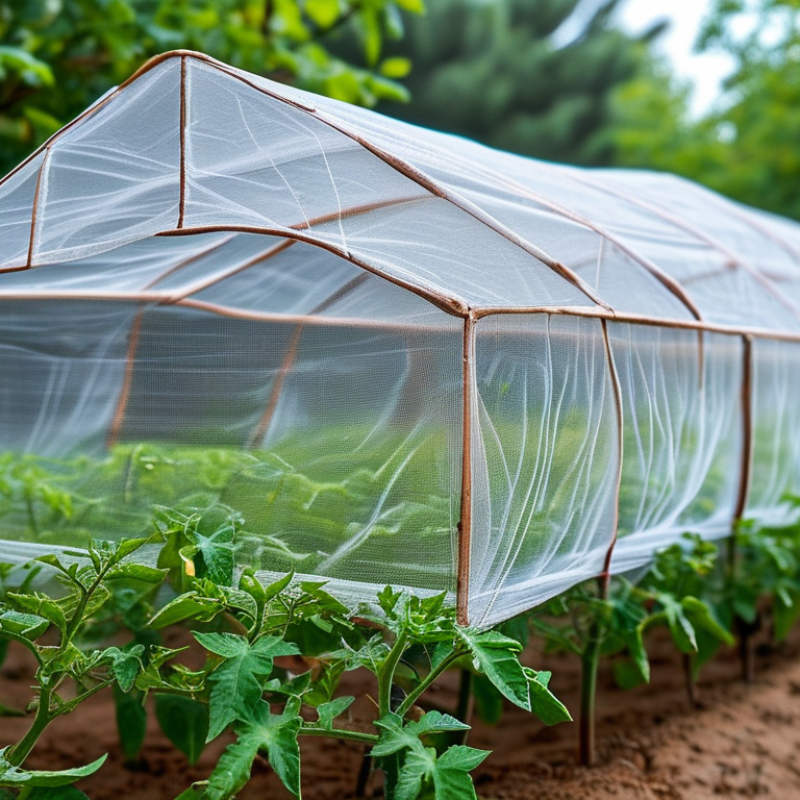
What Is the Best Insect Netting for Greenhouses?

What Insect Netting Does in a Greenhouse

What Is the Best Insect Netting for Greenhouses?

What Insect Netting Does in a Greenhouse

In my greenhouse trials, insect netting worked as a physical barrier, not a chemical treatment. It stopped many flying pests before they reached leaves, flowers, and young fruit. The mesh also reduced wind movement, which helped seedlings remain upright during gusty weather. However, tighter mesh is not automatically better. Fine openings can restrict airflow and trap heat on sunny afternoons. That balance matters.

A suitable net should match the target pest’s size and the crop’s ventilation needs. Small aphids and thrips may require finer mesh than larger moths or beetles. I would verify the actual opening size, because labels can describe mesh differently. Measure the mesh. The net must cover vents, doors, and sidewalls without gaps. A single loose corner can become an easy entry point. Secure edges firmly, but avoid crushing the fabric.

Netting changes greenhouse management in quieter ways. It can lower pesticide dependence, although it cannot replace regular crop scouting. I still inspect leaf undersides, sticky cards, and door areas each week. If humidity rises, fungal disease may become more likely, especially with weak ventilation. I once chose very fine mesh, then opened vents more often. That correction improved airflow, but it also demanded closer pest checks. On hot days, I check temperature beneath the mesh before changing irrigation.

How Mesh Size Affects Pest Control and Airflow

Choosing greenhouse insect netting is a balance between pest exclusion and airflow. Mesh size matters more than appearance. A larger opening allows stronger ventilation, but tiny pests may pass through easily. A finer mesh can block whiteflies, aphids, and some thrips, yet it may reduce air movement and increase heat inside the house.

Mesh measurements can be confusing. “Mesh count” varies between suppliers, so opening size in millimeters or microns is more reliable. Openings near 0.2 to 0.3 millimeters provide broad protection against many common pests. Smaller openings offer better control against thrips, but they can restrict ventilation noticeably. Watch the plants. Drooping leaves, trapped humidity, or condensation may show that the netting is too fine for the local climate.

Location also changes the decision. Roof vents usually need careful airflow protection, while side vents may support a slightly finer screen. Keep the material stretched, repair small tears quickly, and clean dust from the surface. Dirty netting blocks air even when its mesh size seems suitable. A simple thermometer and humidity meter can reveal problems that are easy to miss by eye.

There is no perfect mesh. A screen that works during a cool spring may overheat a greenhouse in midsummer. Test one section before covering every opening. Recheck pest levels and temperature for several days. My judgment would not rely on mesh size alone; crop type, vent design, wind, and maintenance all change the result.

Comparing Netting Materials for Durability and Light

In greenhouse trials, the best insect netting is rarely the thickest option. Material, mesh size, and UV exposure shape both service life and daylight. I usually begin with UV-stabilized polyethylene because it balances flexibility, strength, and light transmission. Its knitted structure also resists small tears better than some rigid fabrics. However, cheap polyethylene can become brittle after intense summer exposure.

Material performance Polyester netting feels softer and often allows excellent airflow. It suits temporary screens and side openings, but its long-term performance depends heavily on UV treatment.

Fine nylon mesh can block very small insects, yet it may reduce ventilation and collect dust quickly. That dust forms a visible gray film across the roof, lowering useful light. Mesh size must match the pest threat without creating unnecessary shade.

Light and airflow considerations Light measurements matter more than appearance. A clear-looking net can still reduce photosynthetic radiation noticeably. I recommend comparing readings with and without the screen during midday. Watch temperature too. A dense mesh may protect plants while trapping heat near the leaves. I once selected an extremely fine net for better pest control, then found weaker airflow and slower growth. That choice needed more testing.

Edges, seams, and tension deserve equal attention, since wind often damages them before sunlight does. Regular inspections reveal loose threads, stretched openings, and early UV damage.

How to Choose Netting for Different Greenhouse Crops

What Is the Best Insect Netting for Greenhouses?

How to Choose Netting for Different Greenhouse Crops

The best netting depends on the crop, pest pressure, and greenhouse climate. I start by identifying the smallest insect commonly found nearby. Aphids and whiteflies need finer mesh than beetles or moths. A mesh near 0.3 millimeters can block tiny pests, but it may reduce airflow. That matters in humid tomato houses.

Leafy greens often benefit from fine netting because aphids can spread quickly across tender leaves. Keep the fabric tight around doors, vents, and ground edges. Small gaps can defeat expensive protection. Check the crop twice each week, especially after windy weather.

Cucumbers and tomatoes need careful ventilation. Dense netting may trap heat and moisture, encouraging fungal problems. I prefer a slightly more open mesh when the main threat is larger insects. It should still match the pest’s body size. Fruit crops also need pollination, so remove or open netting during flowering if pollinators cannot enter safely. For self-pollinating tomatoes, that concern is smaller.

Shade netting is different. Do not assume it replaces insect netting. Each fabric serves a separate purpose. I once selected the finest mesh for strong pest protection, but condensation increased inside the house. The crop suffered before the insects did. That mistake taught me to compare pest exclusion with airflow, light, and daily temperature records. Local trial results are useful, but your greenhouse may behave differently. Check the material regularly for tears, stretching, and dust buildup.

Installing and Maintaining Insect Netting Properly

Selecting insect netting starts with the pest, not the label. Tiny thrips require finer mesh than larger moths, but finer openings can reduce airflow. Choose UV-stabilized, tear-resistant material designed for repeated outdoor exposure. Measure every vent, door, and seam before cutting. A two-centimeter gap can defeat an otherwise careful installation. I once underestimated a side opening near the floor; ants found it quickly. That mistake changed my inspection routine.

Stretch the netting evenly, without pulling it so tightly that the weave distorts. Fasten it to clean, dry frames with suitable clips, channels, or secure stitching. Overlap edges generously, especially around doors and corners. Install a double-door entry if space allows. Keep doors closed. Check that fans do not suck loose fabric inward. After installation, walk around the greenhouse at dusk and inspect against the light. Small holes become visible then.

Wash dust from the netting with low-pressure water and a soft brush. Avoid harsh chemicals, which may weaken fibers or leave residues near crops. Inspect weekly during warm months, and after wind, hail, or heavy handling. Repair small tears promptly with matching netting and a secure overlap. Do not rely on patching alone when the fabric has become brittle. Record pest sightings, indoor temperature, and airflow changes after installation. If plants overheat, reconsider mesh density or add managed ventilation rather than opening gaps. Perfect exclusion is difficult.

What Is the Best Insect Netting for Greenhouses?

Nominal mesh count and approximate opening size help determine how effectively greenhouse insect netting can exclude pests. Smaller openings generally provide finer exclusion, but they can also reduce airflow and increase the need for regular cleaning.

Common nominal mesh references include approximately 20 mesh with a 1.0 mm opening, 32 mesh with a 0.6 mm opening, 40 mesh with a 0.4 mm opening, and 50 mesh with a 0.3 mm opening. Actual openings vary according to thread diameter and manufacturer specifications. Install the netting tightly over all vents and openings, seal edges and overlaps, and inspect it regularly for tears, loose fasteners, dust, and clogged airflow paths.

FAQS

: What does insect netting do in a greenhouse?

: It creates a physical barrier against many flying pests. It can protect leaves, flowers, and young fruit. It is not a chemical treatment. Small gaps still matter.

How should I choose the right mesh size?

Match the opening size to the target pest and crop ventilation needs. Fine mesh may block aphids and thrips more effectively. Larger pests may need less restrictive netting. Measure the openings directly.

Is finer mesh always better?

No. Finer mesh can restrict airflow and trap heat. Leaves may droop on sunny afternoons. Condensation can also increase. Better pest control may create new problems.

What mesh opening size offers broad protection?

Openings near 0.2 to 0.3 millimeters can protect against many common pests. Smaller openings may improve thrips control. They can also reduce ventilation noticeably. Local weather changes the result.

Where should greenhouse insect netting be installed?

Cover roof vents, sidewalls, doors, and other openings. Secure every edge firmly. A loose corner can become an easy entry point. Check door areas often.

How can I know whether the netting is too fine?

Watch for drooping leaves, trapped humidity, and condensation. Use a thermometer and humidity meter beneath the net. Check temperatures during bright afternoons. Visual judgment alone can fail.

How does insect netting affect greenhouse maintenance?

Clean dusty surfaces because dirt reduces airflow. Repair small tears quickly. Keep the fabric stretched without crushing it. Inspect leaf undersides and sticky cards weekly.

Should I cover every vent immediately?

Not necessarily. Test one section for several days first. Compare pest activity, temperature, and humidity. A screen suitable in spring may overheat the greenhouse in summer. I would reconsider the choice after observing real plant conditions.

Conclusion

Choosing the best Insect Netting For Greenhouse depends on balancing pest protection, ventilation, light transmission, and crop requirements. The netting creates a physical barrier against insects while allowing air and sunlight to enter, helping reduce the need for chemical treatments. Mesh size is especially important: finer mesh can block smaller pests but may restrict airflow, while wider mesh improves ventilation but may allow certain insects to pass through. Growers should select the appropriate size based on the crops grown, local pest pressure, and greenhouse climate.

Material choice also affects durability, flexibility, and light performance. Strong, UV-resistant netting is suitable for long-term use, while lightweight options may work for seasonal applications. Proper installation around vents, doors, and openings is essential to prevent gaps. Regular inspections, gentle cleaning, and timely repairs can extend the netting’s service life and maintain effective crop protection.


Madeline

Madeline

Madeline is a dedicated marketing professional with a wealth of expertise in our company's core offerings. With a keen understanding of the industry, she brings a unique perspective to her role, consistently delivering high-quality content that highlights the superior aspects of our products. As......