What Is Carport Netting and How Does It Work?

Time:2026-10-16 Author:Isabella
0%

A carport can protect a vehicle from rain, leaves, and harsh sunlight, but open sides still expose it to windblown dust and drifting debris. Carport Netting provides a practical barrier without fully enclosing the structure. It usually consists of woven polyethylene mesh, coated fabric, or similar weather-resistant material. The netting attaches to posts, beams, or roof edges with clips, ropes, tracks, or tensioning systems.

“Good netting should control exposure without turning the carport into a wind trap,” says Daniel Mercer, a carport installation consultant with more than fifteen years of field experience. His point matters. Mesh size, fabric strength, edge reinforcement, and fastening quality all affect performance. A tightly stretched panel can reduce sunlight and improve privacy. However, it may also catch stronger gusts if the design ignores local wind conditions.

The working principle is simple. Air can pass through the open weave, while larger particles, leaves, and some rain are redirected or slowed. Results vary. No netting system blocks every storm, and careless installation can create sagging, tearing, or noisy movement. I have seen small gaps become major weak points around corners. That detail is easy to overlook.

Choosing Carport Netting requires more than comparing prices. Consider the vehicle’s position, seasonal weather, shade requirements, and how often the panels need removal. A reliable system should feel secure, remain reasonably easy to maintain, and include clear installation guidance. It is not a perfect shield. It is a controlled compromise between protection, airflow, visibility, and practical everyday use.
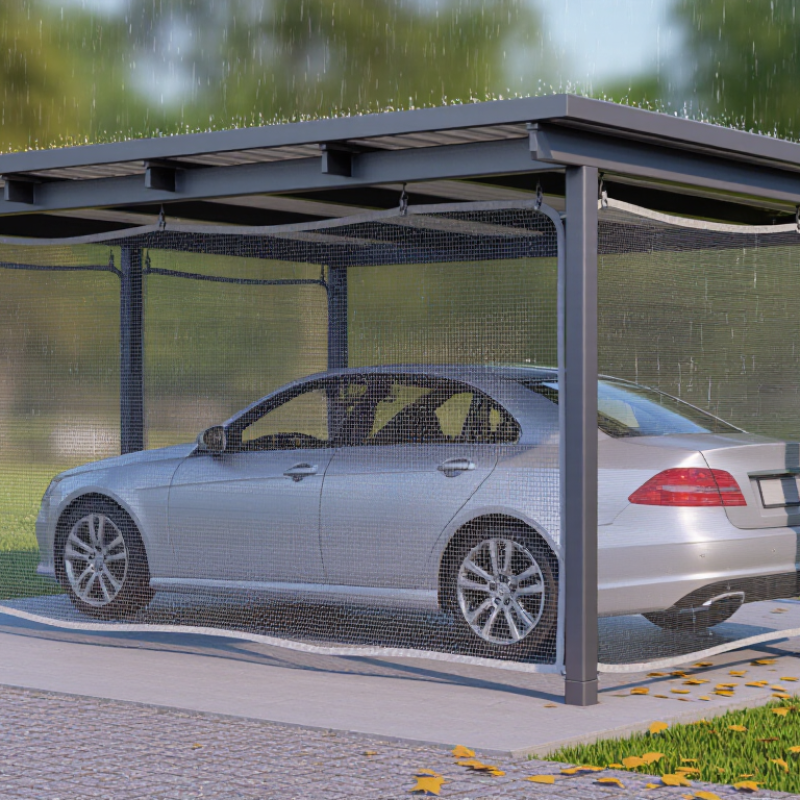
What Is Carport Netting and How Does It Work?

What Is Carport Netting?

Carport netting is a woven mesh cover fitted over or around a carport. It is usually made from durable, UV-resistant polyethylene or similar outdoor fabric. The open structure allows air to move while reducing direct sunlight, leaves, dust, and light rain. It is not a roof.

Unlike solid panels, the netting creates shade without fully blocking visibility. On a hot afternoon, the mesh can keep a vehicle’s seats and dashboard noticeably cooler. It may also reduce fading caused by prolonged sunlight. Some users attach side netting to limit windblown debris or create more privacy near the driveway.

Installation normally involves fixing the fabric to a metal frame, posts, or tensioned support lines. Strong eyelets, clips, and evenly spaced fasteners help prevent sagging. Measure twice. A loose edge can flap loudly and wear against the frame during windy weather. A tight installation looks cleaner, but excessive tension may damage the fabric.

From practical use, carport netting works best as a shade and screening solution, not as complete weather protection. Heavy rain, snow, and strong storms can still reach the vehicle or stress the structure. I have found that mesh density affects comfort more than many people expect; very open netting gives better airflow but less shade. Choosing the right balance requires considering local weather, sunlight direction, and the carport’s frame strength.

How Carport Netting Is Designed and Constructed

Carport netting is a breathable cover designed to reduce sunlight, wind, dust, and light debris around parked vehicles. Its performance depends on careful construction, not appearance alone. Manufacturers usually produce it from UV-resistant synthetic mesh, with reinforced edges that prevent tearing. The mesh openings control airflow while limiting direct exposure. This balance matters. A tightly woven fabric offers stronger shade but may catch more wind.

Construction begins with measured panels and securely stitched hems. Heavy-duty webbing or folded borders add strength along the edges. Metal eyelets are then spaced evenly, often every 30 to 50 centimeters. These attachment points spread tension across the panel. During installation, the netting should remain firm without becoming drum-tight. Excessive tension can damage the fabric, frame, or eyelets during gusty weather.

Tips: Check the frame for sharp edges before fitting the netting. Use compatible cords, clips, or fasteners that will not cut the mesh. Leave enough clearance for vehicle doors and mirrors. Inspect seams after strong wind or heavy rain. Small frays can grow quickly. In practice, no design is perfect. Local weather, frame shape, and installation quality can change the result. A practical installer should adjust tension after the first few days and replace worn connection points before they fail.

How Carport Netting Works in Different Conditions

Carport netting is a woven mesh that covers the open sides or roof of a carport. Its fibers block part of the sunlight while allowing air to move through. The result is cooler vehicle surfaces, less glare, and reduced exposure to leaves and dust. It does not create a sealed room. Small gaps remain essential.

In strong sun, dense netting provides better shade and helps slow dashboard fading. In light rain, the mesh may soften falling water, but it will not keep a vehicle fully dry. Water can pass through the openings. During windy weather, the open weave reduces pressure compared with solid sheets. However, gusts still pull hard on seams, clips, and frame points. I recommend checking those connections after storms.

Cold conditions require more attention. Wet snow can collect on horizontal sections and create unexpected weight. Removing buildup promptly is safer than trusting the fabric. In dry, dusty areas, the netting filters some airborne particles, although fine dust may still enter from the edges. A practical inspection should include stretched fibers, loose stitching, brittle fasteners, and contact with sharp metal. Small damage can spread quickly.

The best setup depends on mesh density, local weather, and frame strength. A tightly stretched cover often looks better, but excessive tension may damage attachment points. That trade-off is easy to miss. Netting improves comfort and protection, yet it cannot replace proper drainage, secure anchoring, or regular maintenance.

Types of Carport Netting and Their Common Uses

Carport netting is a breathable covering fitted around an open carport. It reduces windblown dust, leaves, insects, and harsh sunlight without sealing the structure completely. Most netting uses woven polyethylene or knitted mesh. Each material behaves differently. A tight weave offers better privacy and debris control, while an open mesh allows more airflow.

Shade netting is common in sunny driveways. It protects vehicle interiors, dashboards, and stored tools from intense ultraviolet exposure. Privacy netting has a denser pattern and helps screen bicycles, bins, or garden equipment from nearby views. Debris netting is useful beneath trees, where falling leaves and small branches are frequent problems. Insect mesh has smaller openings and suits areas where mosquitoes or flying pests gather. It needs careful installation because tiny gaps can reduce its effectiveness.

Carport netting usually attaches with eyelets, clips, bungee cords, or a simple track system. The edges should remain secure but not painfully tight. Strong wind needs room to move through the fabric. I have seen users stretch mesh too firmly, causing torn eyelets after a few storms. That mistake is easy to repeat. Measuring the frame, checking drainage, and choosing weather-resistant fasteners can prevent avoidable repairs. Netting is not a substitute for a rigid wall or a certified structural cover. Its performance depends on weave density, tension, exposure, and regular inspection.

Factors to Consider When Choosing Carport Netting

Carport netting is a woven or knitted screen fixed above or around a vehicle shelter. It filters sunlight, wind, dust, and falling debris while allowing some air movement. The U.S. Department of Energy identifies exterior shading as an effective method for reducing solar heat gain. Still, netting is not a complete cooling system. Dark-colored vehicles may remain hot under weak mesh.

Choosing the right netting requires more than measuring the carport roof. Check shade density, mesh openness, UV resistance, tear strength, and drainage behavior. A tighter weave offers stronger shade but can collect more wind pressure. NOAA’s 1991–2020 Climate Normals provide local wind, rainfall, and temperature data that can guide this decision. Use local conditions, not only a product label. Coastal air, for example, can accelerate corrosion around metal fasteners.

Installation details matter equally. Reinforced edges, evenly spaced attachment points, and stainless or corrosion-resistant hardware improve stability. ASCE 7 wind-load guidance can help installers assess exposure and attachment risks, especially on open properties. Leave enough clearance for doors and mirrors. That sounds obvious, but it is often missed. I would also inspect the netting after the first heavy storm. A small sag may reveal poor tension, undersized fasteners, or an inaccurate wind assumption.毛片免费视频观看

What Is Carport Netting and How Does It Work?

Carport netting is a breathable mesh cover used to reduce sunlight, glare, heat, wind exposure, and airborne debris while allowing air to circulate. Its shade rating indicates the approximate percentage of sunlight blocked by the fabric.

How to read the chart: Higher shade ratings provide greater sunlight reduction but allow less light through. When choosing carport netting, consider the required shade level, airflow, UV resistance, mesh strength, installation method, and local weather conditions.

FAQS

What is carport netting designed to do?

It filters sunlight, wind, dust, leaves, and light debris around parked vehicles. It is breathable. It does not form a sealed room.

How does the mesh reduce heat and glare?

Woven fibers block part of the sunlight while allowing air to pass through. Denser mesh usually provides stronger shade. Dark vehicles may still become hot under weak coverage.

Can carport netting keep a vehicle completely dry?

No, water can pass through the mesh openings. The netting may soften light rain, but it cannot replace a waterproof roof. That limitation is easy to overlook.

How should the netting be attached?

Use reinforced edges, evenly spaced eyelets, and compatible cords, clips, or fasteners. Attachment points are often spaced 30 to 50 centimeters apart. Avoid sharp contact points.

How tight should carport netting be?

Keep it firm without making it drum-tight. Excessive tension can damage seams, eyelets, the fabric, or the frame during gusts. A small amount of flexibility helps.

What should be checked before installation?

Inspect the frame for sharp edges, weak joints, and unstable anchor points. Leave clearance for vehicle doors and mirrors. Small details matter.

How does netting perform during wind, snow, and dust?

Open mesh reduces pressure compared with solid sheets, but strong gusts still stress seams and fasteners. Remove wet snow from horizontal sections promptly. Fine dust may enter through edges.

How can someone maintain carport netting?

Inspect it after heavy wind or rain. Look for frayed fibers, loose stitching, stretched sections, brittle fasteners, and corrosion. Small damage spreads quickly. Replace worn connection points before failure.

Conclusion

Carport Netting is a practical protective covering designed to shield vehicles and outdoor equipment from sunlight, rain, wind, dust, leaves, and other environmental elements. It is typically made from durable, breathable mesh materials that are cut, reinforced, and fitted with edges, attachment points, or support structures for stable installation. Its design balances protection with airflow, helping reduce heat buildup while allowing air to circulate through the covered space.

Carport Netting works differently depending on weather conditions: it can provide shade in strong sunlight, reduce exposure to light rain and debris, and lessen the impact of wind when properly secured. Common types include shade netting, weather-resistant mesh, privacy netting, and heavier-duty options for demanding environments. When choosing the right material, users should consider mesh density, strength, UV resistance, water protection, size, installation method, maintenance needs, and local weather conditions. Proper fitting and secure fastening are essential for reliable, long-term performance.


Isabella

Isabella

Isabella is a dedicated marketing professional with a sharp focus on driving brand growth and engagement through strategic content creation. With an extensive background in digital marketing, she combines her passion for storytelling with her keen understanding of industry trends to deliver......