7 Best Shade Nets for Balcony Sun Protection?

Time:2026-10-31 Author:Isabella
0%

A sunny balcony can feel inviting in the morning and harsh by mid-afternoon. Direct sun also warms nearby rooms and fades outdoor fabrics over time. The U.S. Department of Energy’s Energy Saver guidance reports that window awnings can reduce summer solar heat gain by up to 65% on south-facing windows and 77% on west-facing windows. Those figures describe awnings, not balcony mesh, so they are useful context—not a promise about any Shade Net For Balcony. The World Health Organization also advises seeking shade when UV levels are high. Shade helps, but it does not block every ray.

This guide compares seven balcony shade nets by practical details: fabric density, UV-resistant materials, airflow, privacy, attachment options, and ease of trimming. A tightly woven net may create deeper shade, while a more open weave can let breezes pass through. Check dimensions before buying; a few centimeters of uncovered railing can leave a bright strip across the floor. Small detail. Big difference.

No single net suits every balcony. Orientation, floor height, wind exposure, railing shape, and local building rules all affect the right choice. A shade net is not a magic roof. It may also need adjustment after installation, and product claims can be difficult to compare when brands use different test methods. The selections below are a starting point, not a substitute for measuring your space and checking the manufacturer’s specifications. Some trade-offs remain. Even a well-chosen net cannot make a west-facing balcony cool at every hour, but it can make time outdoors more comfortable.
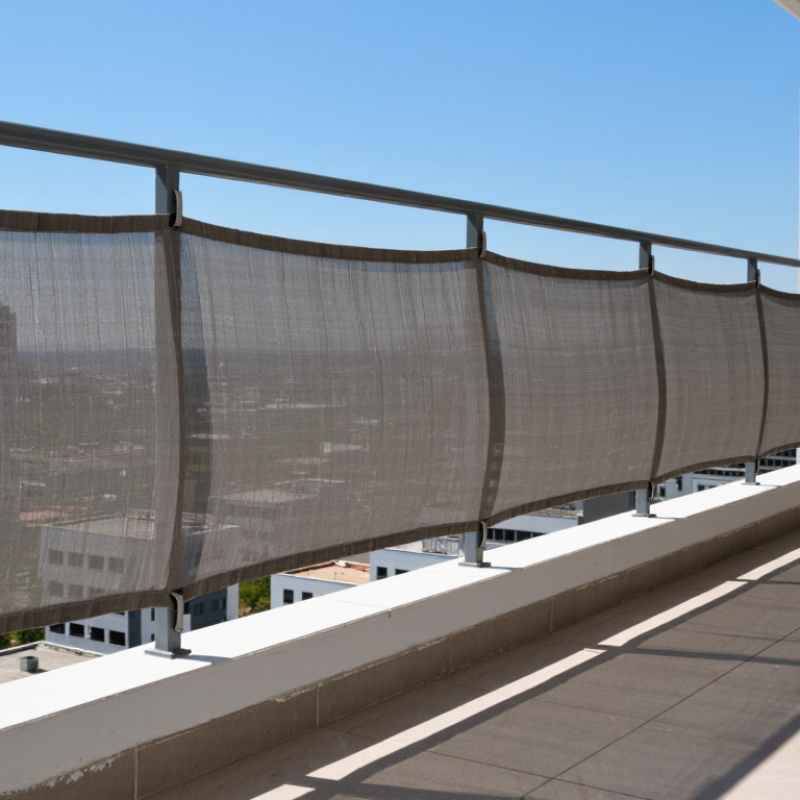
7 Best Shade Nets for Balcony Sun Protection?

How Balcony Shade Nets Reduce Sun Exposure

A balcony shade net softens direct sunlight before it reaches chairs, plants, and glass doors. Its mesh blocks part of the incoming light while letting air pass through. This can make a sunlit balcony feel less harsh, especially during bright afternoon hours. The difference is easy to notice on a pale floor, where a sharp patch of sun becomes a softer pattern of shade. Small gaps matter.

The level of protection depends on the net’s weave, color, placement, and the sun’s angle. A denser mesh generally casts deeper shade, but it may also reduce brightness and airflow. Sunlight can still enter from the sides or slip beneath the net as the sun moves. Shade does not automatically mean full UV protection, either. Check product details if UV blocking is important, and avoid assuming that a darker fabric always performs better.

For practical coverage, secure the net above the seating area and leave enough space for air to circulate. Watch how the shadow shifts in the morning and late afternoon; a fixed setup may miss the hours that bother you most. I would test the position for a few days before tightening everything permanently. It is a small adjustment, but the balcony can still feel warmer than expected on humid days.

Key Factors for Choosing a Balcony Shade Net

Choosing a balcony shade net starts with measuring the space, including the railings and corners where it will attach. Leave room for fasteners, but avoid gaps that let strong side sunlight through. Check the shade rating and match it to your balcony’s exposure. A west-facing balcony may need stronger afternoon coverage than a shaded one. Denser fabric blocks more sun, but it can also reduce airflow and make the space feel stuffy. Fit matters more.

Look for UV-resistant fabric, reinforced edges, and evenly spaced eyelets. These details help prevent fraying and make the net easier to secure. Before buying, check that your railing or fixing points can support it, especially in a windy location. Wind changes everything. A net should be secure without sagging, but pulling it extremely tight may strain the edges. I would also consider how easily it can be removed for cleaning or storage. It is easy to focus on shade alone and overlook maintenance; dust and leaves can collect along the lower edge. A small test with temporary clips can reveal whether the chosen coverage still leaves enough daylight indoors.

7 Best Shade Nets for Balcony Sun Protection? - Key Factors for Choosing a Balcony Shade Net

Shade-net type Typical shade rating Sun and airflow Best suited to Key points to check
Light shade knitted HDPE 30–40% Lets in substantial light and generally allows good airflow. Balconies with morning sun or plants that need bright conditions. Confirm the stated shade rating and UV-stabilization details; ratings vary by product.
Medium shade knitted HDPE 50–60% Balances reduced direct sun with ventilation through the knitted mesh. General-purpose protection for seating areas and mixed plant collections. Measure the area and allow for a secure fixing method suited to the balcony structure.
Heavy shade knitted HDPE 70–80% Blocks more direct light; airflow depends on mesh construction and installation. Hot, exposed balconies where stronger shade is the priority. May make the balcony noticeably darker; check local rules and wind exposure.
Privacy shade mesh Often 70–90%; check the product specification. Denser weave can reduce visibility and light; airflow varies with openness. Balconies needing both screening and daytime shade. Privacy is reduced at night when the balcony is brighter than the outside; it is not a solid screen.
Reinforced-edge shade net Commonly available in several ratings, including 50–80%. Similar shade and airflow to the same net style and rating without reinforcement. Installations requiring grommets, ties, or more durable perimeter attachment. Check grommet spacing, edge stitching, dimensions, and whether the attachment points suit your setup.
Roll-up shade mesh Varies by fabric; commonly offered in light to heavy shade options. Adjustable coverage can preserve light when full shade is not needed. Balconies where sun direction changes during the day. Check mounting requirements, operating clearance, and how the screen should be secured in wind.
Custom-cut shade net Available in different ratings; select by the actual specification. Performance depends on material, shade rating, and how much of the balcony it covers. Irregular railings, unusual openings, or non-standard balcony dimensions. Measure carefully, account for attachment space, and avoid blocking required exits or drainage.

Note: Shade percentages are common market ranges, not universal test results. Actual light reduction, UV protection, airflow, and durability depend on the specific fabric and construction. Check the product specification, balcony rules, and wind-safe installation guidance before purchasing.

Seven Shade Net Options for Balcony Sun Protection

A balcony shade net should block harsh sun without trapping hot air. A lightweight knitted HDPE net is a practical choice: its flexible mesh resists fraying and allows airflow. Woven polyethylene cloth feels firmer and may hold its shape better, though its cut edges can unravel. Check for reinforced hems and sturdy attachment points. Measure twice.

Shade percentage changes how the balcony feels. A 30–40% net suits plants that need plenty of light and offers gentle relief at midday. A 50–60% option gives more protection for seating areas while preserving a brighter view. For intense afternoon exposure, a 70–80% mesh can create deeper shade, but it may dim nearby rooms. Percentages are not always measured consistently, so compare product specifications rather than relying on labels alone.

Reflective shade mesh can redirect some radiant heat, but its performance depends on sun angle and airflow. A retractable roll-up net lets you adjust coverage as the light shifts; it needs secure fittings and occasional inspection. A sloped, tensioned net can shed light rain, though it is not a dependable rain cover. Small details matter: leave space for ventilation, avoid sharp rubbing edges, and check the net after windy weather. No option stays ideal all day.

Comparing Shade, Material, Size, and Durability

Choosing a balcony shade net means balancing shade percentage, airflow, fit, and weather resistance. Mesh labeled 30%, 50%, or 70% shade offers a useful comparison, but ratings vary by testing method. Ask how the figure was measured. The U.S. Department of Energy reports that window awnings can cut summer solar heat gain by up to 65% on south-facing windows and 77% on west-facing windows. Those figures apply to awnings, not nets, but they show how strongly orientation affects heat. Check your balcony’s afternoon sun before choosing heavier mesh.

Material matters. UV-stabilized polyethylene mesh is light and breathable; polyester can feel sturdier, but construction and coating affect service life. Look for reinforced hems, rust-resistant eyelets, and clear care instructions. NOAA’s UV Index scale classifies readings of 6–7 as high and 8–10 as very high. A net is not a substitute for reliable UV protection, especially during peak sun. Measure the railing, including fixing points, and leave room for airflow. A tight fit looks neat. It can also strain seams in gusty weather. I would compare a net’s stated shade rating with its UV and wind guidance, rather than trust appearance alone. My first estimate of fit is often wrong. Measure twice.

7 Best Shade Nets for Balcony Sun Protection

Comparing typical shade ratings, materials, common sizes, and durability considerations.

How to read this chart: Bars show the nominal shade rating commonly offered for each type, not a laboratory measurement of UV protection. Actual sun reduction depends on weave, color, angle, and installation.

Option Material Common sizes Durability considerations
Light knitted shade clothUV-stabilized HDPE6 × 10 ft; 10 × 20 ftAiry and light; secure edges against wind.
Medium knitted shade clothUV-stabilized HDPE6 × 10 ft; 10 × 20 ftA practical balance of airflow and shade; check stitching and UV treatment.
Dense knitted shade clothUV-stabilized HDPE6 × 10 ft; 10 × 20 ftMore wind resistance than open mesh; use strong, well-spaced fixings.
Extra-dense knitted shade clothUV-stabilized HDPE6 × 10 ft; 10 × 20 ftOffers strong screening but can catch more wind; remove in severe weather.
Woven shade meshHDPE tape or monofilament4 × 6 ft; 6 × 10 ftInspect woven edges regularly for fraying or pulled strands.
Polyester mesh screenCoated polyesterCustom panels; common widths varyLook for outdoor-rated coating and reinforced hems; clean gently.
Privacy shade screenHDPE privacy mesh3 × 6 ft; 4 × 8 ftDense mesh can load balcony rails in gusts; use permitted attachment points.

Sizes and shade ratings are common examples, not guaranteed specifications. Service life varies with UV exposure, climate, wind, fabric quality, and seasonal care. Confirm balcony rules and avoid drilling or attaching loads to unsafe railings.

Installing and Maintaining a Balcony Shade Net

Installing a balcony shade net starts with measuring the exposed area, including a few centimeters for fastening. Choose a mesh that blocks direct sun but still allows airflow.

The U.S. Department of Energy’s Energy Saver guidance says exterior awnings can reduce solar heat gain by up to 65% on south-facing windows and 77% on west-facing windows.

Those figures describe awnings, not shade nets, but they show why exterior shading can help. A net’s actual performance depends on its weave, angle, and exposure.

Attach the net to sturdy balcony rails or purpose-built anchor points, using weather-resistant ties or fittings. Keep it taut, but not drum-tight; gusts can strain both the mesh and its supports. Check building rules before drilling or fixing anything to shared structures. After rain or strong wind, inspect the corners, seams, and fasteners. A net may look secure at noon, then sag by evening. Replace frayed ties promptly.

Tips: Clean the mesh with mild soap and water, then let it dry fully before storage. Check for loose fittings monthly during warm, windy periods. If the balcony gets strong gusts, take the net down when you are away. It is a small inconvenience, but one loose edge can pull hard.

FAQS

Which shade percentage works best for a balcony?

A 30–40% mesh suits light-loving plants. For seating, 50–60% offers more shade while keeping the view brighter. Choose 70–80% for stronger afternoon sun, but nearby rooms may become dimmer.

What materials are suitable for a balcony shade net?

Knitted HDPE mesh is lightweight, flexible, and breathable. Woven polyethylene feels firmer, but cut edges can unravel. Check for reinforced hems and sturdy attachment points.

Does a higher shade rating always mean better protection?

Not necessarily. Shade percentages can be measured differently, so compare product specifications. Consider your balcony’s sun direction, too. Labels alone can mislead.

Can reflective mesh reduce balcony heat?

It can redirect some radiant heat. Results depend on the sun angle and airflow. It is not a guaranteed fix.

How should I measure for a shade net?

Measure the exposed area, including the places where you will fasten the net. Leave room for airflow. My first estimate is often wrong.

How tightly should I attach the net?

Keep it taut, but not drum-tight. Use sturdy rails or suitable anchor points and weather-resistant fittings. Strong gusts can strain the mesh and supports.

Can a sloped shade net keep rain out?

A slope may shed light rain, but the net is not a dependable rain cover. Check it after wet or windy weather.

How do I maintain a balcony shade net?

Wash it with mild soap and water, then dry it fully before storage. Inspect seams, corners, and fasteners after strong wind. Replace frayed ties promptly.

Is a shade net enough for UV protection?

No. A shade net is not a substitute for reliable UV protection, especially during peak sun. Check its UV guidance as well as its shade rating.

Conclusion

A Shade Net For Balcony can help reduce direct sunlight, glare, and heat while still allowing air to circulate and some daylight to enter. The right choice depends on how much shade you need, your balcony’s dimensions, the net’s fabric and weave, and its resistance to sun, wind, and everyday wear. This overview considers seven types of shade-net options, from lighter materials that provide partial cover to denser designs that offer greater sun protection, and compares their shade levels, sizes, materials, and expected durability.

Before choosing a net, measure the area carefully and consider where the sun falls throughout the day. Secure installation helps keep the net stable, while regular checks for loose fasteners, dirt, or fabric damage can extend its useful life. With a suitable fit and simple maintenance, a balcony shade net can make an outdoor space more comfortable without blocking all light or airflow.


Isabella

Isabella

Isabella is a dedicated marketing professional with a sharp focus on driving brand growth and engagement through strategic content creation. With an extensive background in digital marketing, she combines her passion for storytelling with her keen understanding of industry trends to deliver......